
For years, a good property investment in Delhi NCR was judged on three things: location, square footage, and price per square foot. That formula still matters, but it no longer decides the winners. Buyers evaluating the best property to invest in Delhi NCR today are asking a different question first: does this home actively support how I live, breathe, and recover from a stressful day?
That question has reshaped the region’s real estate map. Seasonal smog, long commutes, and years of hybrid work have pushed air quality, open space, and design for mental health to the top of the buyer’s checklist, ahead of brand names and lobby finishes. Homes built around well-being are outperforming conventional stock on resale value, occupancy, and buyer interest.
This article looks at why well-being has become the deciding factor in property investment across NCR, what a genuinely wellness-led home includes, and what to check before you commit capital to one.
Why Well-Being Now Drives Property Value in Delhi NCR
Three forces are behind this shift, and none of them are temporary.
Air quality has become a survival issue, not a preference. NCR’s winter smog has moved air quality management ahead of proximity to the metro on many buyers’ priority lists. Homes with medical-grade filtration and monitored indoor air quality are no longer a luxury add-on; they are treated as baseline infrastructure.
The home became a health center during the pandemic, and that habit stuck. With hybrid work now standard across NCR’s large technology and consulting workforce, residents spend the bulk of their day indoors. That has pushed demand toward low-density developments with generous open space rather than tightly packed towers.
Corporate burnout has changed what buyers want from a home. Professionals working NCR’s high-pressure corporate corridors are actively seeking noise control, dedicated quiet zones, and layouts that build movement into daily life, rather than treating a gym membership as the only fitness solution.
Together, these forces have turned well-being from a soft selling point into a hard investment criterion, a shift explored in more depth in What Is Wellness Real Estate? Why Is There Rising Demand in NCR?
What Separates a Wellness-Led Home from a Marketed One
Wellness real estate is often confused with a building that simply has a gym and a swimming pool. The real distinction runs deeper, into how a home is engineered.
- Low air quality and water filtration. Centralised systems that keep indoor air quality well below hazardous outdoor levels, paired with multi-stage water filtration at every tap.
- Human-centered environmental design. Lighting that shifts from cool tones in the morning to warm amber in the evening, and glazing or insulation that brings ambient noise down to library-level decibels even beside a busy expressway.
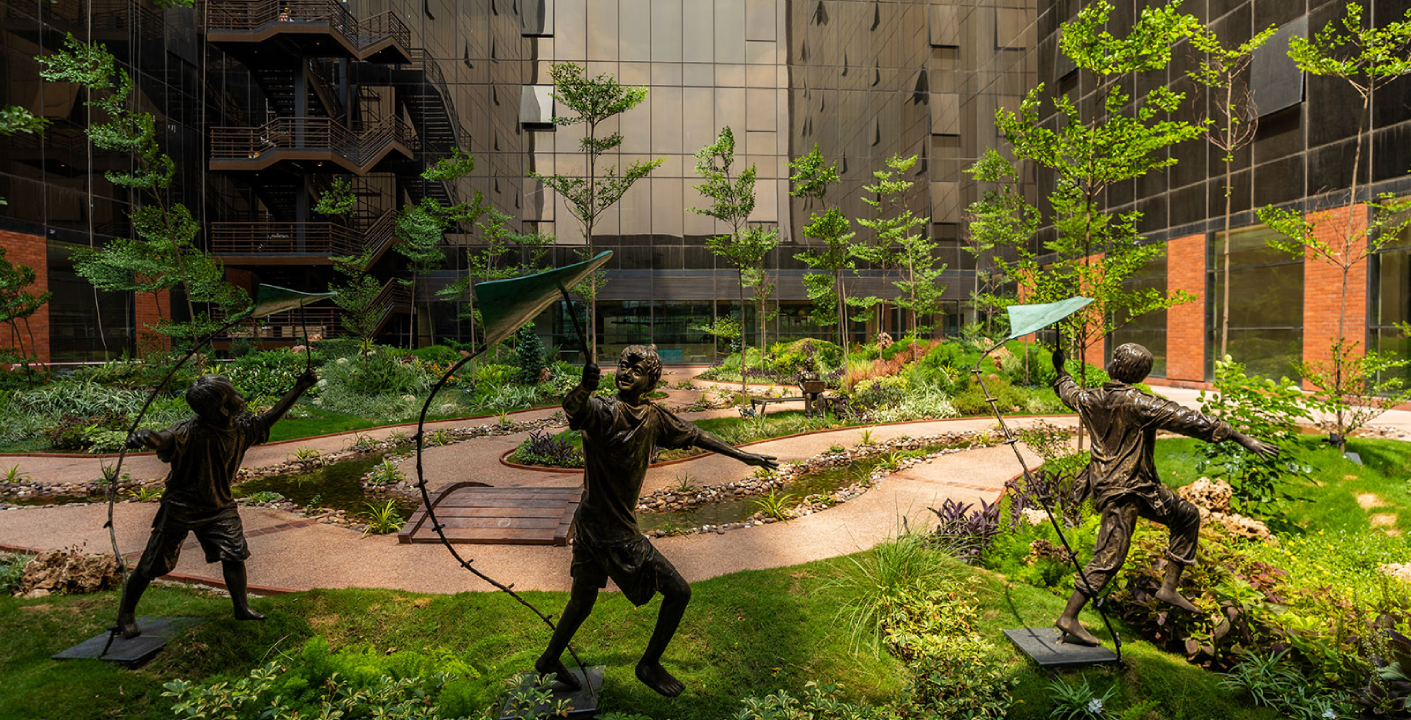
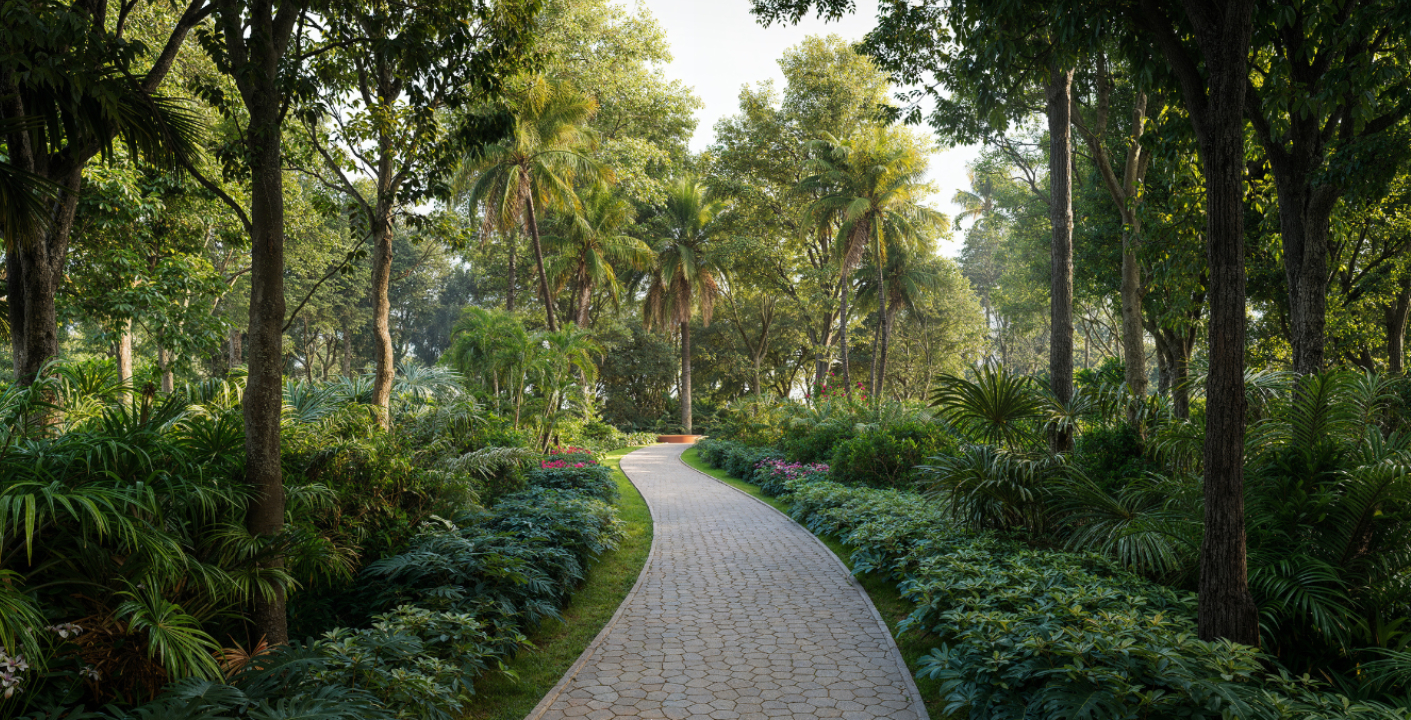
- Biophilic architecture. Internal forests, water features, and landscaped courtyards that do more than decorate a lobby; they measurably lower density and improve air quality at the site level.
- Low-density planning. Fewer units per acre translated into genuine open space, rather than a shared amenity deck squeezed between towers.
- Behavioural design. Layouts that make stairs, walking paths, and outdoor space the easy choice, not an afterthought bolted onto the plan.
Certifications such as WELL and IGBC Platinum give buyers a way to verify these claims independently, rather than relying on brochure language. The design philosophy behind these choices is set out in more detail in Homes That Heal: The Rise of Restorative Living Environments.
What This Looks Like on the Ground: Estate 128, Noida
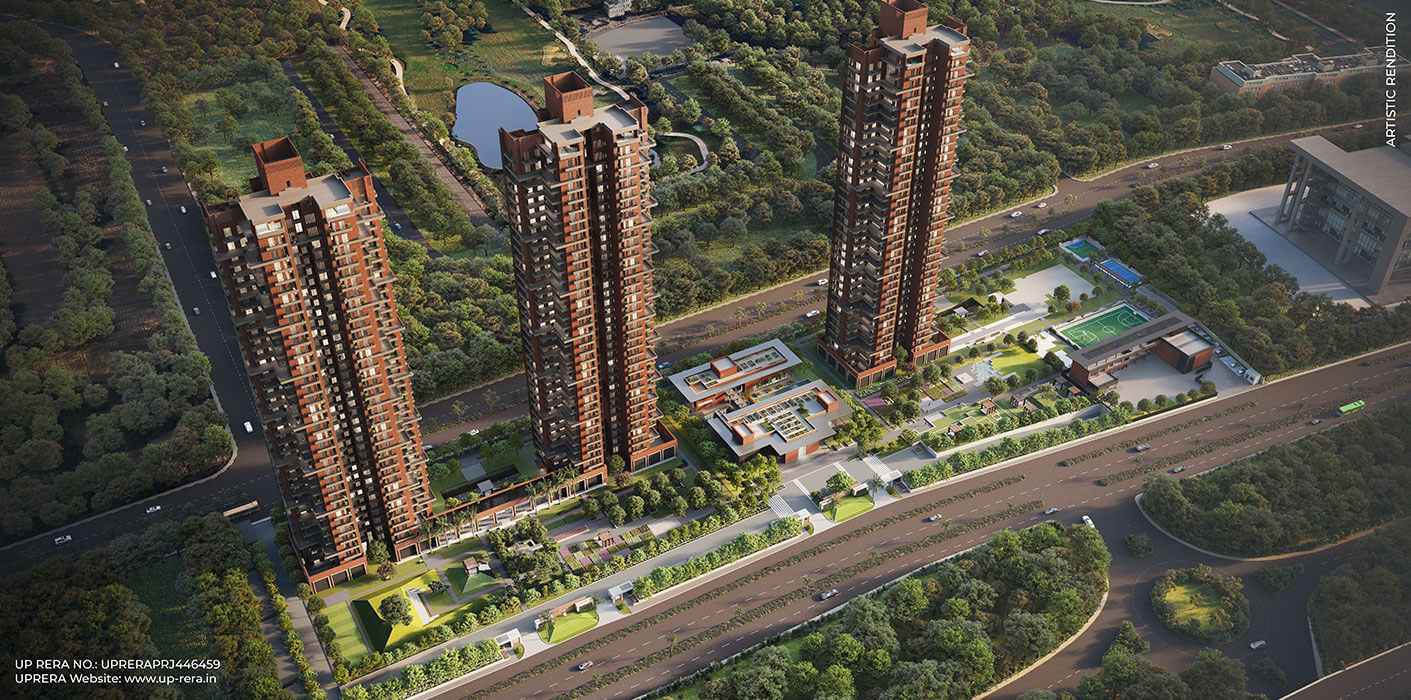
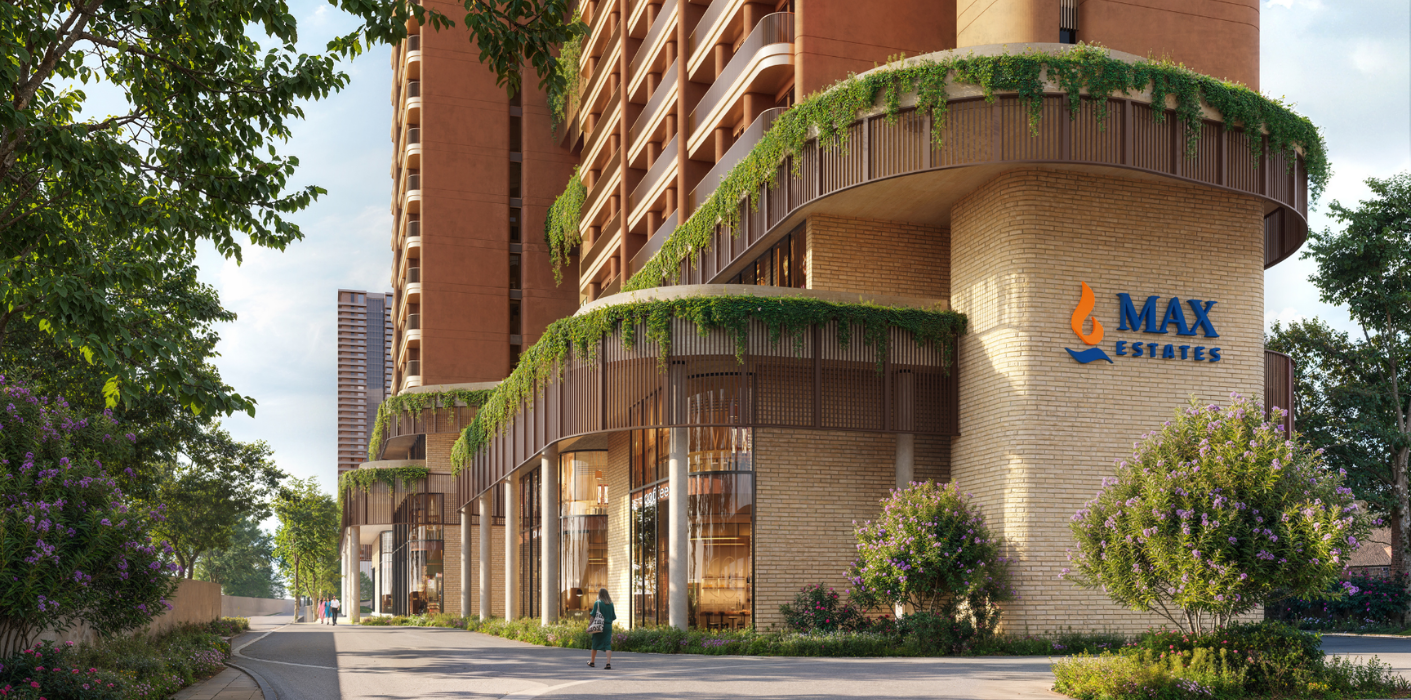
Estate 128 is a working example of well-being built into the masterplan rather than added on afterward. The development sits on roughly seven acres of landscaped green space designed to echo a river’s journey, and it is deliberately built at around 27 units per acre, among the lowest densities in the region.
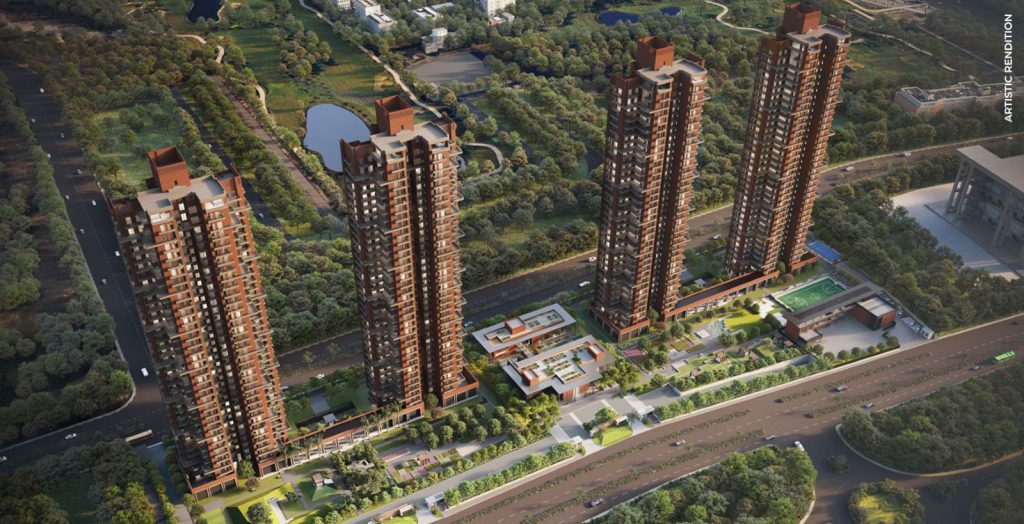
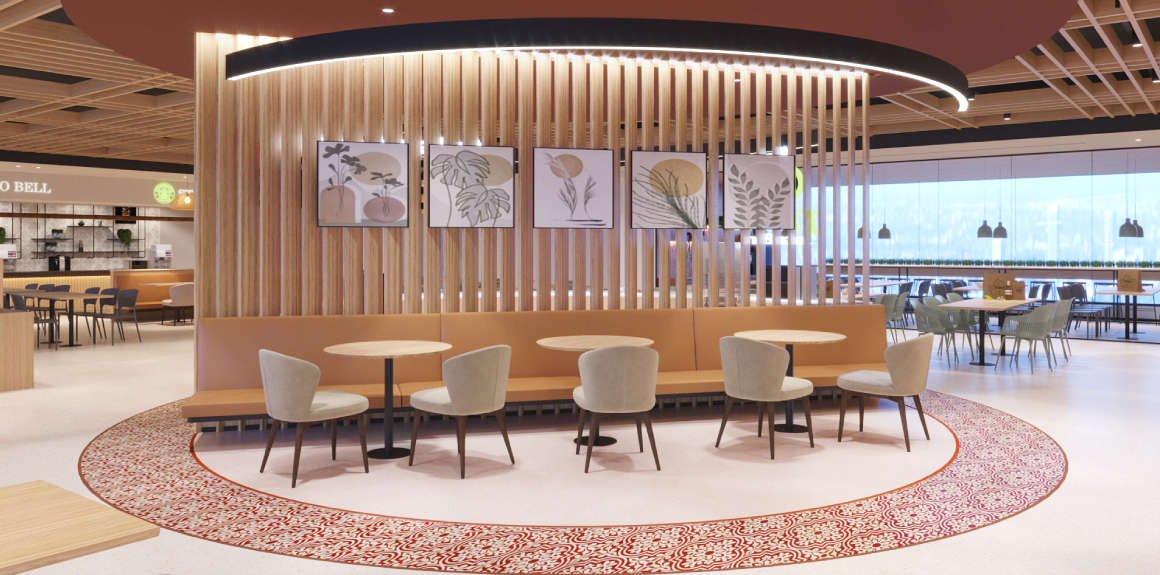
Every unit at Estate 128 is designed with large wraparound decks and unobstructed views of the central greens, and vehicular drop-offs are routed to the lower ground level so the surface stays pedestrian-first and quiet. The Hub at Estate 128, spanning close to 46,000 square feet, brings the amenity layer, a swimming pool, spa, paddle tennis court, and all-day dining- without requiring residents to leave the development for the essentials of a wellness routine.
Where the Investment Case Gets Stronger: Emerging Wellness Hubs
Well-being-led development is not confined to one address. Across NCR, specific corridors have become reference points for this shift.
- Sector 150, Noida. Known as one of the greenest sectors in the region, with a significant share of land held for open green space.
- Dwarka Expressway, Gurugram. A newer corridor seeing a concentration of low-density, high-wellness developments as the area builds out.
- Golf Course Extension Road, Gurugram. An established luxury hub where older stock is being retrofitted with wellness features to stay competitive against newer supply.
For investors, this matters because certified wellness features are increasingly linked to a resale premium over standard luxury stock, positioning wellness-led homes as a hedge as much as a lifestyle upgrade, a trend also visible in developments built for specific lifestyle segments, such as Premium Residential Property for Fitness Enthusiasts.
What to Check Before You Invest
A wellness pitch is easy to make in a brochure. Before committing capital, verify the following on-site or in the documentation:
- Independent certification (WELL, IGBC Platinum) rather than self-declared “green” or “wellness” branding
- Actual units-per-acre density, not just the marketed green cover percentage
- Real-time air quality monitoring available to residents, not only claimed in sales material
- Acoustic performance specifications, especially for units near expressways or transit corridors
- The developer’s track record on delivery timelines and RERA registration status
- Whether open space and amenities are genuinely integrated into daily movement, or isolated to a single clubhouse
Developers with a consistent portfolio-wide approach to well-being, rather than a single flagship project, tend to carry that discipline through construction and post-handover management as well.
Conclusion
The best property to invest in Delhi NCR is no longer the one with the tallest tower or the flashiest lobby. It is the one engineered around how residents actually live day to day, air quality, density, acoustic design, and genuine access to open space. That shift has turned well-being from a lifestyle preference into a measurable investment criterion.
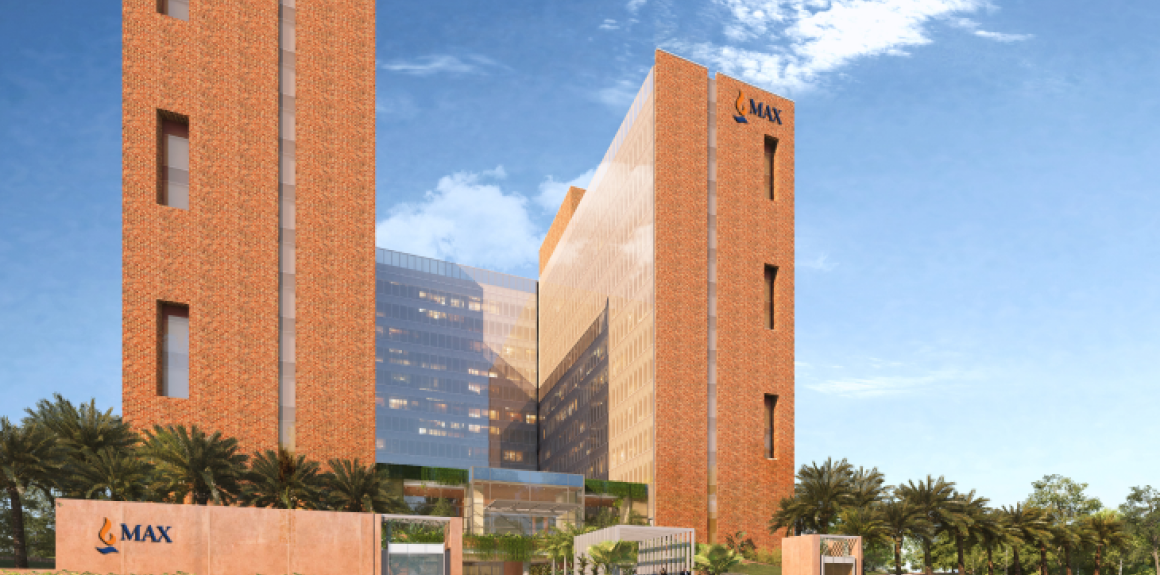
Max Estates has built its residential portfolio, including Estate 128 in Noida, around this exact standard, treating well-being as the starting point for design rather than an amenity added at the end. For investors evaluating their next move in Delhi NCR, Max Estates offers a clear reference point for what a genuinely wellness-led property looks like in practice.
Ready to see it for yourself? Get in touch with Max Estates to arrange a visit to Estate 128 or explore other LiveWell developments across the region.
FAQs
What makes a property in Delhi NCR a genuine well-being investment rather than a marketing claim?
Independent verification is the key differentiator. Look for certifications such as WELL or IGBC Platinum, actual density figures, and monitored air quality, rather than relying on brochure language alone.
Does investing in a wellness-led property cost significantly more?
Wellness-certified homes typically carry a premium over standard luxury stock, but that premium has been tracking alongside stronger resale performance and buyer demand, which offsets the higher entry cost over a longer hold.
Which areas in Delhi NCR are leading this shift toward wellness-led development?
Sector 150 in Noida, the Dwarka Expressway corridor in Gurugram, and Golf Course Extension Road are among the corridors seeing the most concentrated wellness-led development activity.
Is low density really a meaningful factor, or just a marketing term?
Density directly affects noise, crowding, and access to genuine open space. A development with roughly 27 units per acre, for example, offers a materially different daily experience than one built at double that density.
How can I verify a developer’s wellness claims before investing?
Ask for third-party certification documents, RERA registration details, and site visit access to see air quality monitoring and density in person rather than relying on renderings.