

In the high-octane urban landscapes of Delhi, Gurugram, and Noida, the definition of a dream home has undergone a radical transformation. For decades, luxury was measured by the height of a tower, the brand of kitchen fittings, or the size of a private lobby. But as we move through 2026, a new currency has emerged in the National Capital Region (NCR): Wellness.
Wellness real estate, or well-being real estate, reflects this shift toward homes designed not just for living, but for living well.
Wellness real estate is no longer a niche buzzword found in architectural journals; it is a multi-billion-dollar shift in how it’s built. In a region where seasonal smog and high-stress lifestyles are daily realities, the home is being reimagined as a tool for preventative medicine.
What is Wellness Real Estate?
Wellness real estate includes homes and communities designed for the physical, mental, and emotional health of their occupants. Unlike Green Buildings, which focus on how the building impacts the environment, Wellness real estate focuses on how the building impacts humans.
It moves beyond the surface-level addition of a gym or a swimming pool. Instead, wellness is baked into the blueprint through:
- Medical-Grade Air Filtration: Centralized systems that maintain indoor AQI below 50, even when the outside air is hazardous.
- Circadian Lighting: Intelligent systems that mimic the sun’s natural progression to regulate sleep and mood.
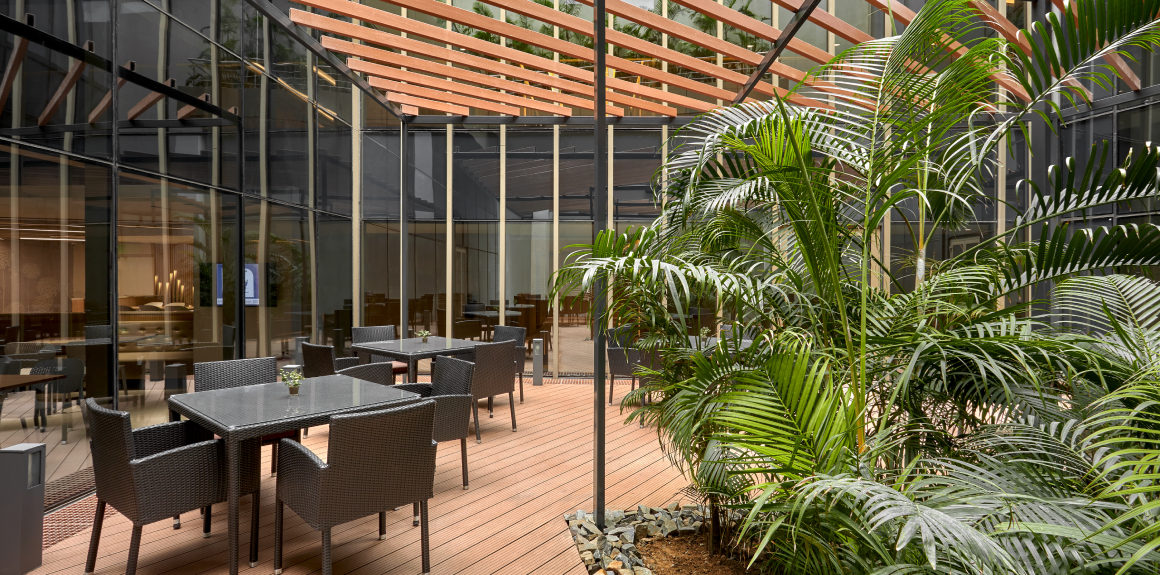
- Biophilic Design: Integrating natural elements like internal forests, water features, and organic materials to reduce cortisol levels.
Why Demand is Skyrocketing in NCR
The surge in demand across Gurugram, Noida, and the Dwarka Expressway isn’t accidental. It is driven by three powerful factors:
1. The Pollution
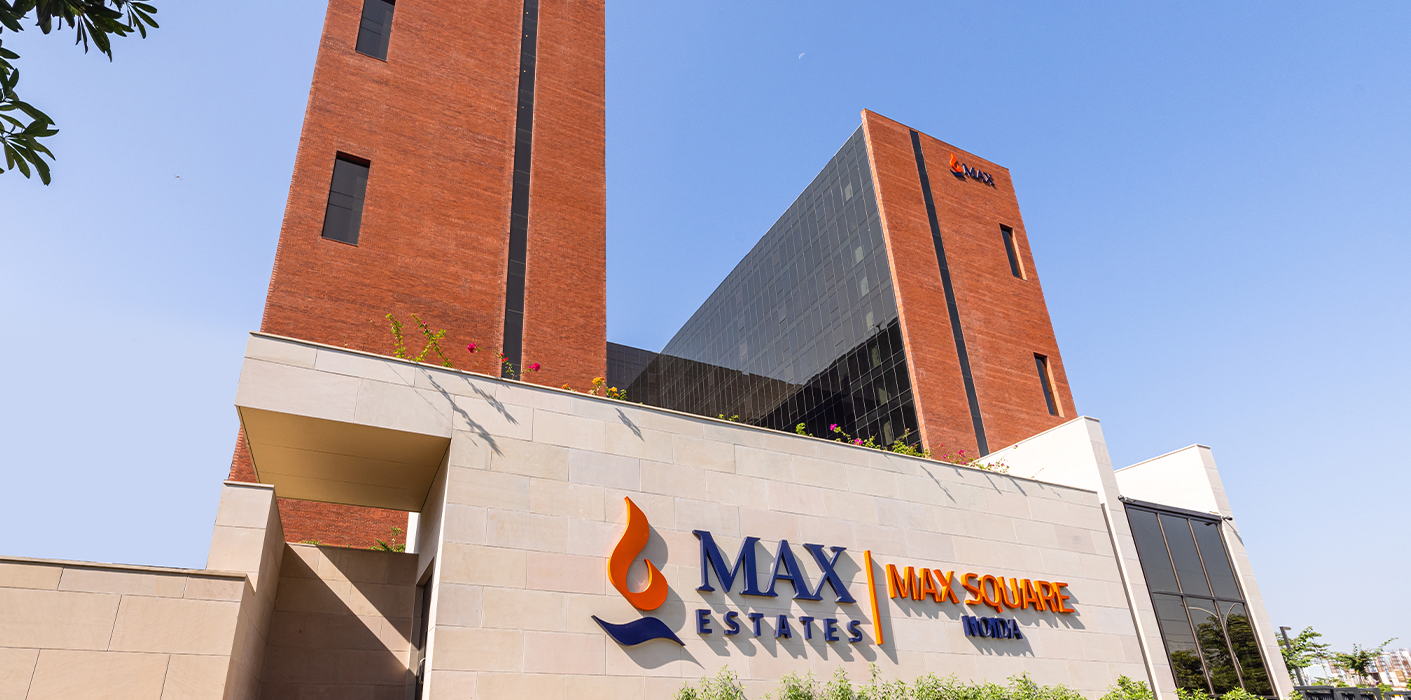
NCR residents face a unique environmental challenge. The great smog of the winter months has shifted buyer psychology from convenience to survival. Many premium buyers now consider Air Quality Management as a non-negotiable requirement, ranking it higher than “Proximity to Metro.” This thinking has quietly reshaped commercial design too – developments like Max Towers and Max House have made 3-tier air treatment systems and CO₂-sensor-driven ventilation a standard in making occupant health better, an expectation now rising in residential design as well.
2. The Post-Pandemic Sanctuary Mindset
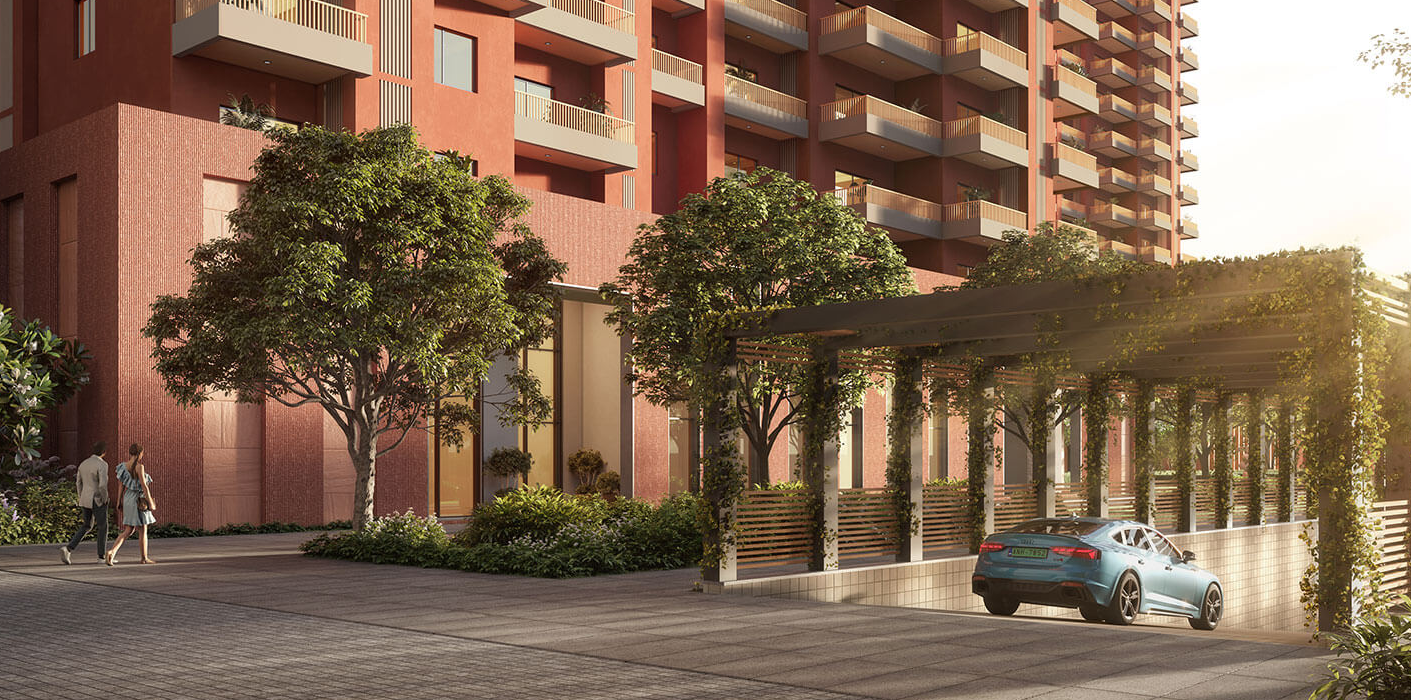
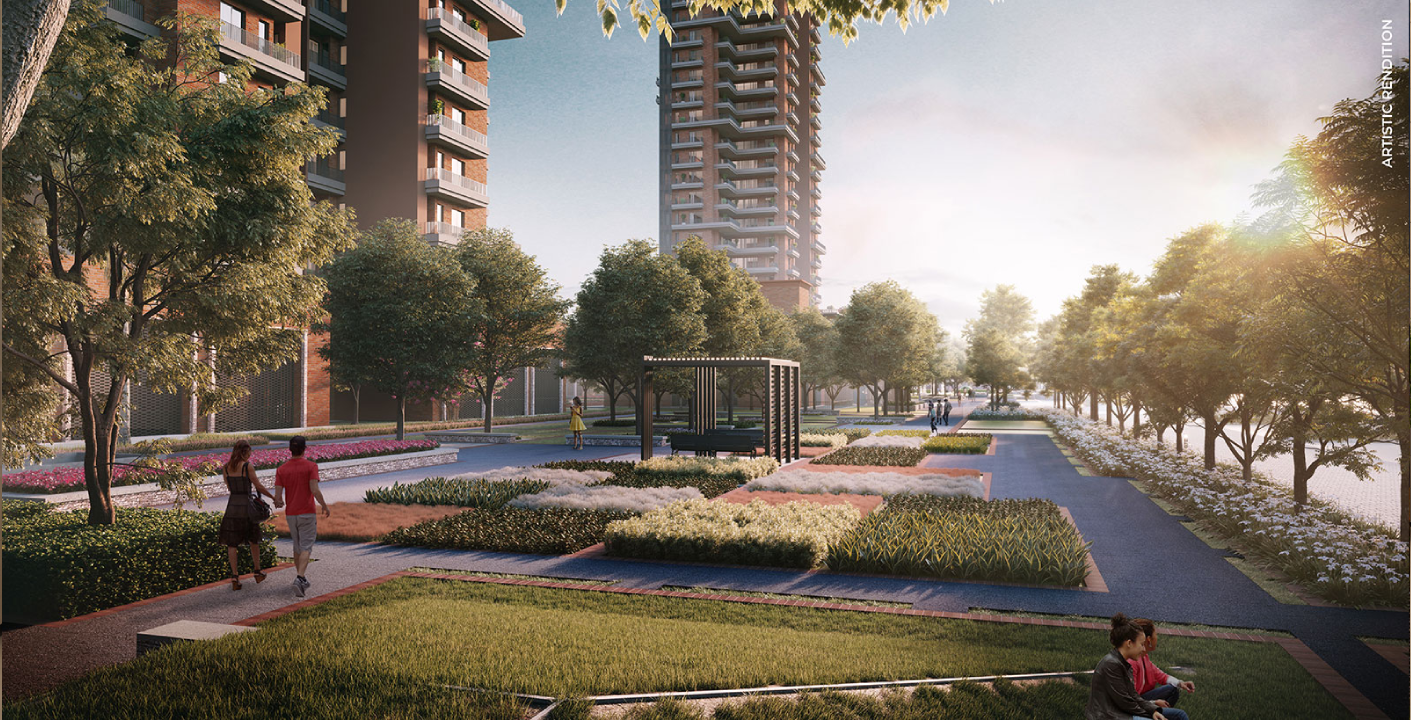
The 2020-2022 period taught us that our homes are our primary healthcare centers. This mindset has matured. By 2026, the rise of hybrid work, particularly among NCR’s massive tech and consulting workforce, means people are spending 80% of their time indoors. Buyers are now actively seeking low-density developments, a philosophy that has guided the inception of Estate 128, where open space is generous — and the landscape does as much work as architecture.
3. The Stress of the Millennial Burnout
NCR is the heart of India’s corporate hustle. Professionals in Gurugram’s Cyber Hub or Noida’s IT corridors are seeking Zen Zones, dedicated meditation corners, acoustic insulation that block traffic noise, and layouts that encourage movement. New developments on the Noida Expressway such as Estate 105, have taken this further, designing communities where movement is built into the daily environment itself — through elevated pedestrian paths, car-free ground levels, and sports ecosystems that make it easier to be active than not.
Pillars of Wellness Home in Delhi-NCR
To reach a standard of true wellness, developers are focusing on four key technical areas:
1. Air & Water Purity
The Oxygen-rich home is the new gold standard. Developers like Max Estates now include CTFA (Central Tower Air Filtration). This technology treats air at the source, ensuring every room, from the bathroom to the balcony, has purified airflow. Similarly, multi-stage water filtration ensures that Wellness Water (alkaline and mineral-rich) is available at every tap.
2. The Science of Light & Sound
We often ignore how artificial light and noise impact our health.
Exposure to blue light at night ruins sleep. Wellness homes use smart lighting that shifts from “cool blue” in the morning to warm amber in the evening, aligning with our internal biological clocks.
Similarly, high-performance double-glazed windows and sound-absorbing wall panels are used to bring the ambient noise level down to 30-35 decibels, turning a home into a silent retreat amidst the chaos of a 10-lane expressway.
3. Biophilic Architecture
Biophilia means our innate love for nature. In NCR’s concrete jungle, this looks like:
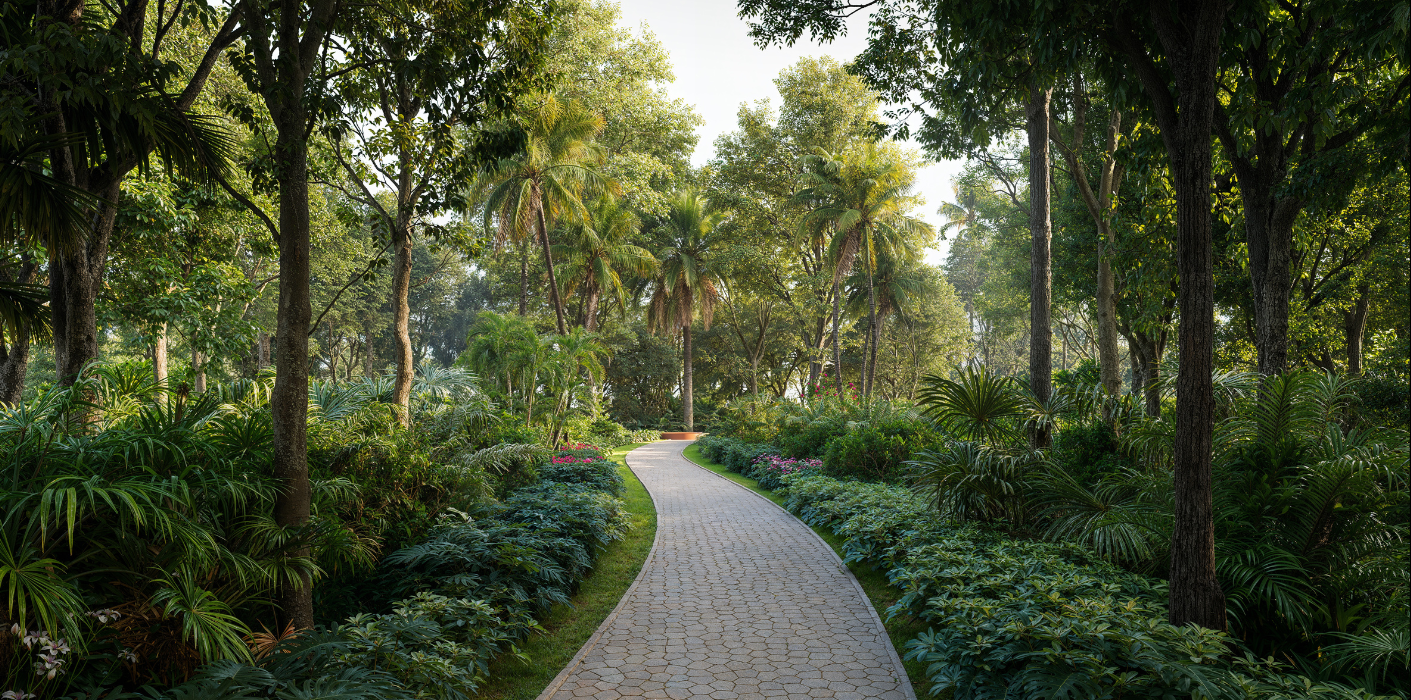
- Densely planted mini forests within residential complexes act as natural air filters and cooling agents.
- Balconies wrapped in greenery to provide a visual break and natural cooling.
- Traditional Indian architectural elements reimagined to facilitate natural cross-ventilation
4. Behavioral Nudges
A wellness home makes it easy to be healthy. This includes Active Design, making the stairs more attractive and accessible than the elevator to encourage movement, or providing organic vegetable patches where residents can grow their own Farm-to-Table produce.
The Market Perspective: Investment & ROI
Is wellness real estate just a more expensive way to live? The numbers suggest that it’s a smart investment.
In 2026, properties with certified wellness features (like WELL or IGBC Platinum ratings) offer a better premium over standard luxury homes. Buyers are increasingly viewing this as a Lifestyle Hedge, an upfront cost that reduces long-term medical bills and enhances quality of life.
The Sector 36A pocket in particular has emerged as a reference point with upcoming developments like Estate 360 and Estate 361 paving the way. With IGBC Pre-Platinum Certified, these communities layer intergenerational living, forest landscaping, and managed senior wellness into a single address.
This positions wellness real estate as a high-value segment within sustainable real estate, delivering both financial and health.
Here, the regional hotspots are:
- Dwarka Expressway (Gurugram): The new Global City hub is seeing a cluster of low-density, high-wellness projects.
- Sector 150 (Noida): Known as the Greenest Sector of NCR, it has become the testing ground for wellness townships where 80% of the land is dedicated to open greens.
- Golf Course Extension Road: The traditional luxury hub is pivoting, with older buildings being retrofitted with wellness tech to stay competitive.
Developers like Max Estates have built their entire brand around the LiveWell philosophy, focusing on generosity of space and intentional design. Future Outlook: Wellness 2.0 (2027 and beyond)
As we look toward the next decade, wellness real estate will become even more high-tech. We are already seeing the emergence of:
- Health-Tracking Homes: Mirrors that can scan your vitals or floors that can detect a fall.
- Atmospheric Water Generators: Homes that literally pull water from the humidity in the air.
- Community Wellness Managers: Specialized staff who curate organic food deliveries, yoga schedules, and mental health workshops for the entire complex.
Wellness real estate is no longer a luxury add-on in the National Capital Region; it has become a fundamental requirement for urban survival. Leading this movement are developers like Max Estates, who have successfully moved beyond a brick-and-mortar mindset to embrace a human-centric philosophy.
By embedding their LiveWell principles into the DNA of their projects and prioritizing the generosity of space over mere density, they have proven that a home can actively contribute to a resident’s longevity and mental peace.