

The concept of home is undergoing a profound transformation. For a long time, residential design was focused on three primary factors: location, aesthetics, and resale value. While these remain important, a new priority has taken center stage in the minds of homeowners and architects alike. This priority is restoration. We are moving away from the era of the house as a mere machine for living and entering the era of the home as a sanctuary for healing.
Restorative living environments are designed with a singular goal: to return the inhabitant to a state of physical and mental balance. In a world characterized by constant digital noise, environmental pollution, and high stress levels, the home is being asked to do more than just provide shelter. It is being asked to actively repair the damage caused by the outside world. To understand how this works, we must explore the scientific and design principles that make a home a place of true healing.
The Science of Environmental Psychology
Restorative design is rooted in environmental psychology, which studies the relationship between humans and their surroundings. Our nervous systems are constantly scanning our environment for cues of safety or threat. A home that feels cluttered, dark, or noisy sends subtle signals of stress to the brain. Over time, this chronic activation of the stress response can lead to fatigue, anxiety, and even physical illness.
A restorative home works in the opposite way. It uses specific design elements to trigger the parasympathetic nervous system, which is responsible for rest and digestion. When we enter a space that feels open, quiet, and connected to nature, our heart rate slows, our cortisol levels drop, and our bodies begin to repair. This is not just a feeling; it is a measurable biological shift. Designing for restoration means being intentional about every sensory input, from the air we breathe to the textures we touch.
Air as a Foundation for Health
The most basic requirement for a healing home is clean air. Most people are unaware that indoor air quality can be significantly worse than outdoor air quality due to limited circulation and the presence of synthetic chemicals. A restorative environment treats air as a vital nutrient.
In these homes, ventilation is a top priority. This involves using high-efficiency particulate air filtration systems that remove allergens, dust, and microscopic pollutants. However, it goes beyond mechanical filtration. It also involves eliminating toxic materials. Restorative homes are built using low-VOC paints, natural wood finishes, and formaldehyde-free cabinetry. By removing the source of chemical off-gassing, the home becomes a clean slate for the lungs.
When you breathe in a restorative home, the air feels crisp and light. This reduces the burden on the immune system and allows for deeper, more refreshing sleep. It is the silent foundation upon which all other wellness efforts are built.
The Role of Water and Hydration
Water is another essential element that is being reimagined in the restorative home. Beyond just being a utility for cleaning, water is a primary input for our bodies. A home that heals often features whole-house water filtration systems. These systems ensure that every drop of water, whether for drinking, cooking, or bathing, is free of chlorine, heavy metals, and microplastics.
Showering in filtered water is gentler on the skin and hair, reducing irritation and dryness. Drinking pure, structured water encourages better hydration habits. Some restorative designs even incorporate water as a visual and auditory element. The sound of a small fountain or the sight of a still pond can have a profound calming effect on the mind, grounding the inhabitant in the present moment.
Light and the 24-hour Cycle
Light is perhaps the most powerful tool in the restorative design toolkit. Our bodies are governed by a circadian rhythm, an internal clock that regulates sleep, energy, and mood. The quality and timing of light exposure set this clock.
A restorative living environment maximizes natural light during the day. Large, strategically placed windows and skylights allow the sun to flood the interior, boosting serotonin levels and helping maintain a positive mood. As the day ends, the home transitions into an evening mode. Smart lighting systems shift from cool blue tones to warm, amber hues that mimic the sunset. This shift signals the brain to begin producing melatonin, the hormone responsible for sleep.
By aligning the home with the sun’s natural cycle, we allow our bodies to function as they were intended. We wake up feeling naturally alert and fall asleep without the need for artificial aids. This biological alignment is a cornerstone of restorative living.
Biophilia: The Human Connection to Nature
Biophilic design is the practice of incorporating natural elements into the built environment. Humans have an innate biological need to be connected to nature, a concept known as biophilia. When we are deprived of this connection, our mental health suffers.
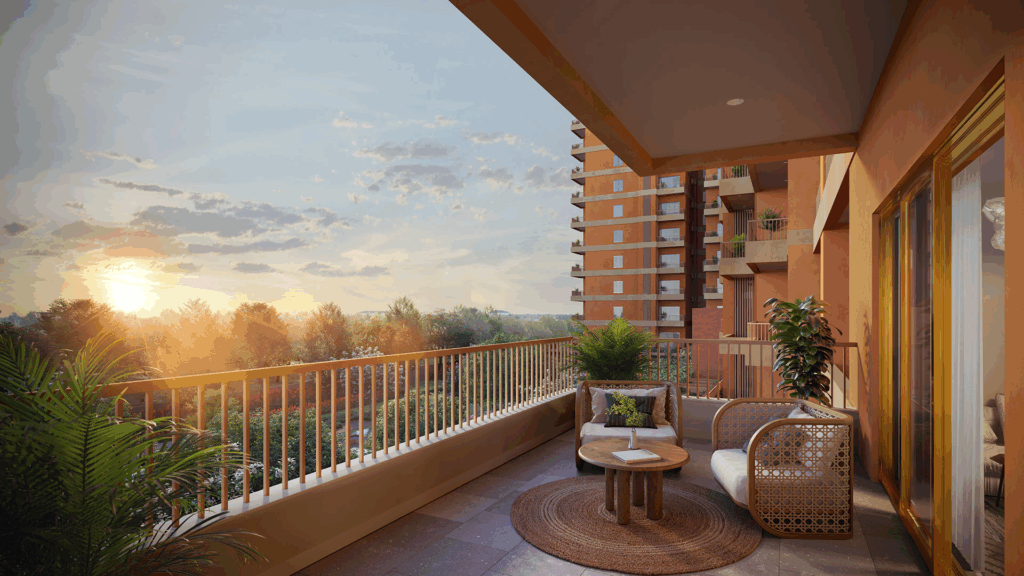
A restorative home brings the outside in. This includes using indoor plants, which not only clean the air but also provide a visual connection to growth and vitality. It also involves the use of natural materials like stone, wood, and clay. These materials have a tactile honesty that synthetic materials lack.
Beyond its literal nature, biophilic design uses natural patterns and fractals. The movement of leaves in the wind, the pattern of wood grain, or the dappled light through a canopy are all visual cues that our brains find inherently relaxing. A home that heals feels like an extension of the natural world, providing a sense of belonging and peace.
Acoustic Sanctuary and the Power of Silence
Silence is a rare luxury in the modern world, yet it is essential for mental restoration. Constant noise from traffic, construction, or loud neighbors keeps the brain on high alert. A restorative home is designed as an acoustic sanctuary.
This is achieved through thick insulation, sound-dampened windows, and soft interior finishes that absorb echo. When you close the front door of a restorative home, the noise of the world should vanish. This silence allows the mind to decompress. It creates a space for deep work, meaningful conversation, and quiet reflection. In the absence of external noise, we can hear our own thoughts and reconnect with our inner selves.
Sensory Comfort and Ergonomics
Restoration also involves physical comfort. A home that heals is one where every surface and piece of furniture supports the body. Ergonomics is not just for the office; it is vital for the home. This means chairs that support the spine, countertops at the correct height, and mattresses made from supportive, breathable materials.
Texture plays a significant role in sensory comfort. Soft, natural fabrics like linen, cotton, and wool invite the body to relax. The feeling of a plush rug underfoot or a smooth wooden banister provides a grounding sensory experience. When the physical environment is comfortable, the body does not have to work as hard to find a state of ease, leaving more energy for healing and creativity.
The Psychology of Space and Order
The layout of a home significantly impacts our mental state. A restorative environment avoids the feeling of being cramped or cluttered. It prioritizes open sightlines and a sense of volume. When we have space to move, our minds feel more expansive.
Order is equally important. Clutter is a source of visual noise that the brain must process. A restorative home features thoughtful, hidden storage that helps its inhabitants keep their environment tidy with minimal effort. When a room is organized and purposeful, it creates a sense of predictability and safety. This allows the inhabitant to let down their guard and truly relax.
Movement and the Active Home
While rest is vital, restoration also involves movement. A restorative home encourages its inhabitants to be active in gentle, natural ways. This might include wide staircases that are pleasant to climb, dedicated spaces for yoga or stretching, or a garden that requires mindful tending.
The kitchen is a key area for restorative activity. When a kitchen is designed to be a joy to work in, cooking becomes a therapeutic process rather than a chore. Preparing fresh, whole foods is a form of self-care that nourishes both the body and the soul. A home that facilitates these healthy behaviors makes restoration an effortless part of daily life.
The Healing Power of the Bedroom
If the home is a sanctuary, the bedroom is its inner sanctum. This is where the most critical healing happens. A restorative bedroom is designed to be a total sleep sanctuary. It is kept cool, dark, and quiet.
The absence of technology in the bedroom is a hallmark of restorative design. By removing screens and charging ports, we eliminate blue light and the temptation of digital distraction. This creates a clear boundary between the waking world and the world of rest. When the bedroom is dedicated solely to sleep and intimacy, the brain learns to associate the space with total relaxation, leading to a profound improvement in sleep quality.
Social Health and Connection
True health is not just individual; it is social. A restorative home is designed to foster genuine connection between people. This means creating spaces that invite conversation and shared experiences.
A large dining table, a comfortable seating arrangement that faces inward, or a fire pit in the backyard are all elements that encourage people to gather. These social connections are vital for emotional health and resilience. A home that fosters these bonds helps its inhabitants feel cared for and loved, which is a powerful driver of the healing process.
Technology as a Silent Partner
In a restorative home, technology is a silent partner. It works in the background to maintain air quality, adjust lighting, and monitor security. It does not demand constant attention or interrupt the peace of the home with loud alerts.
The goal of technology in a healing environment is to reduce the friction of daily life. It handles the repetitive tasks so that the inhabitants can focus on what truly matters. By keeping technology invisible and purposeful, we prevent it from becoming another source of stress, ensuring that the home remains a human-centric space.
Maintenance and the Longevity of Wellness
A restorative home is not a static project; it is a living system that requires care. Proper maintenance ensures that the systems responsible for health, like air and water filters, continue to function at their best.
There is also a psychological benefit to maintaining a home. Taking care of one’s environment is an act of taking care of oneself. When a home is well-maintained, it feels reliable and secure. This sense of stability is essential for long-term mental health and provides a firm foundation for a restorative life.
Conclusion
The rise of restorative living is changing how we see our homes, from status symbols to spaces that support our health and well-being. By focusing on air, light, water, and nature, homes can become environments that truly restore us.
Developers like Max Estates are leading this shift with their LiveWell philosophy, creating spaces designed for balance, comfort, and everyday wellness. A restorative home ultimately becomes a sanctuary, one that helps us recharge, reconnect, and live with greater peace and vitality.
Frequently Asked Questions
What defines a restorative living environment?
It is a space designed to support physical and mental recovery through elements like air filtration, natural light, acoustic control, and biophilic design.
How does air quality affect a healing home?
Clean air reduces the load on the immune system and improves sleep by removing pollutants, dust, and toxic chemicals commonly found in indoor spaces.
What is biophilic design?
It is the practice of incorporating natural materials, plants, and organic patterns into a building to reduce stress and improve mental well-being.
How can lighting help me heal?
Circadian lighting mimics the sun’s natural cycle, helping regulate your internal clock for more energy during the day and deeper sleep at night.
Who is leading restorative real estate in India?
Max Estates is at the forefront, utilizing its LiveWell philosophy to create homes and offices focused on wellness and restorative design.