


Your healthy home is not just a building. It’s a living environment that supports your physical health and your mental peace.
Many people think of health as something cultivated only in gyms or clinics. In reality, the most important health decisions are made within the four walls where you sleep, eat, and rest. A truly healthy home is an ecosystem. It manages air, light, sound, and materials to create a space that reduces stress rather than adding to it.
To understand what a healthy home feels like, we must look at the specific elements that transform a standard house into a sanctuary for the body and mind.
The Quality of the Air
The first thing you notice in a healthy home is the air. Most people spend ninety percent of their time indoors. Unfortunately, indoor air is often more polluted than outdoor air. A healthy home feels fresh. It does not smell like artificial flowers or heavy perfumes. It smells like nothing. This is because it prioritizes thoughtful ventilation and advanced filtration.
High-quality air feels crisp. When you take a deep breath, your lungs do not feel heavy. There is no lingering scent of stale cooking or dampness. This feeling is achieved through a combination of mechanical systems and natural habits. A healthy home often uses high-efficiency particulate air filters that trap dust, pollen, and mold spores. It also utilizes energy recovery ventilators that bring in fresh outdoor air while removing indoor pollutants.
The Impact of Natural & Artificial Light
A healthy home is designed around the rhythm of the sun. This is known as circadian lighting. During the day, the home feels bright and energetic. Expansive windows allow natural light to fill shared spaces. This light helps regulate your internal clock. It tells your body when to be awake and when to start winding down.

Here’s how this natural lighting approach supports your daily rhythm:
- Solar Alignment: A healthy home prioritizes circadian lighting, which means the indoor environment follows the natural rhythm and movement of the sun.
- Daytime Energy: During daylight hours, large windows allow natural light to flood the space, creating a bright and energetic atmosphere that helps regulate your internal clock.
- Consistent Vitality: Access to steady natural light helps stabilize energy levels, which can significantly reduce the feeling of a mid-afternoon slump.
- Evening Transition: As the day ends, the lighting shifts to warmer and softer tones, avoiding the harsh blue light that can interfere with relaxation.
- Biological Support: By mimicking the glow of a sunset with warm bulbs, the home encourages the natural production of melatonin, preparing the body for rest.
- Seamless Repose: This intentional lighting strategy prevents you from feeling wired or agitated at night, ensuring a smooth and natural transition from activity to deep sleep.
The Sound of Silence and Softness
A healthy home is a quiet home. Noise from traffic, loud appliances, or thin walls can create constant stress. A well-designed home acts like a buffer, keeping that noise outside.
This calm comes from thoughtful design, good insulation, double-glazed windows, and soft materials that absorb sound. When you shut the door, the outside noise fades, giving you a peaceful space.
Even inside, everything stays quiet. Appliances run smoothly, and there are no harsh sounds. This silence helps your mind relax, making it easier to focus, have meaningful conversations, and truly unwind.
Thermal Comfort and Consistency
Temperature plays a massive role in how a home feels. A healthy home is never drafty and never stuffy. It maintains a consistent thermal balance. His balance is often achieved through high-performance insulation and precision construction.
In the winter, a healthy home feels cozy but not dry. The heat is distributed evenly, so there are no cold spots near the windows. In the summer, the home feels cool and dry. Humidity control is a vital part of this feeling. High humidity makes a home feel heavy and encourages mold growth. Low humidity can irritate your throat and skin.
A healthy home maintains a humidity level between thirty and fifty percent. This balance makes the air feel comfortable against your skin. You do not find yourself constantly adjusting the thermostat. The environment stays stable, which allows your body to stop working so hard to regulate its own temperature. You simply feel comfortable.
The Selection of Non-Toxic Materials
Many modern building materials and furniture pieces release chemicals into the air. This process, known as off-gassing, can compromise indoor wellness. A healthy home feels clean because it is built with materials that do not poison the atmosphere, and it is shaped by materials that protect indoor air quality.
When you buy a new sofa or paint a wall in a healthy home, there is no chemical smell that lingers for weeks. The owners have chosen low-volatile organic compound paints and natural fabrics like wool, cotton, or linen. The floors might be solid wood, cork, or stone rather than synthetic laminates that use formaldehyde glues.
This focus on materials makes the home feel safe. You can sit on the floor or lean against the walls without worrying about what your skin is absorbing. There is a tactile honesty to a healthy home. Surfaces feel natural and grounded. This lack of chemical interference contributes to a general sense of physical well-being that is hard to describe but easy to feel.
Connection to Nature and Biophilic Design

Humans have a biological need to connect with nature. A healthy home incorporates biophilic design to satisfy this need. This does not just mean having a few plants on a shelf. It means the home is designed to blur the lines between indoors and outdoors.
A healthy home feels alive. You might see views of trees or a garden from every window. Inside, there are natural patterns, textures, and colors. The use of wood grain, stone, and water features creates a visual landscape that reduces heart rate and lowers blood pressure.
Plants play a role as well. They do more than just look good. They act as natural air scrubbers and provide a sense of growth and vitality. When you spend time in a healthy home, you feel more connected to the natural world. This connection reduces feelings of isolation and stress. It reminds you that you are part of a larger living system.
Water Quality and Hydration
Water, often overlooked, is one of the home’s most essential wellness inputs. In a healthy home, the water feels different. Many of these homes use whole-house filtration systems. This means the water you drink, the water you cook with, and the water you shower in is free from chlorine, heavy metals, and microplastics.
When you shower in filtered water, your skin and hair feel softer. When you drink the water, it tastes clean and refreshing. This encourages you to stay hydrated. A healthy home makes the right choice the easy choice. Having high-quality water available at every tap transforms a basic utility into a health tool.
Movement and Biotechnology
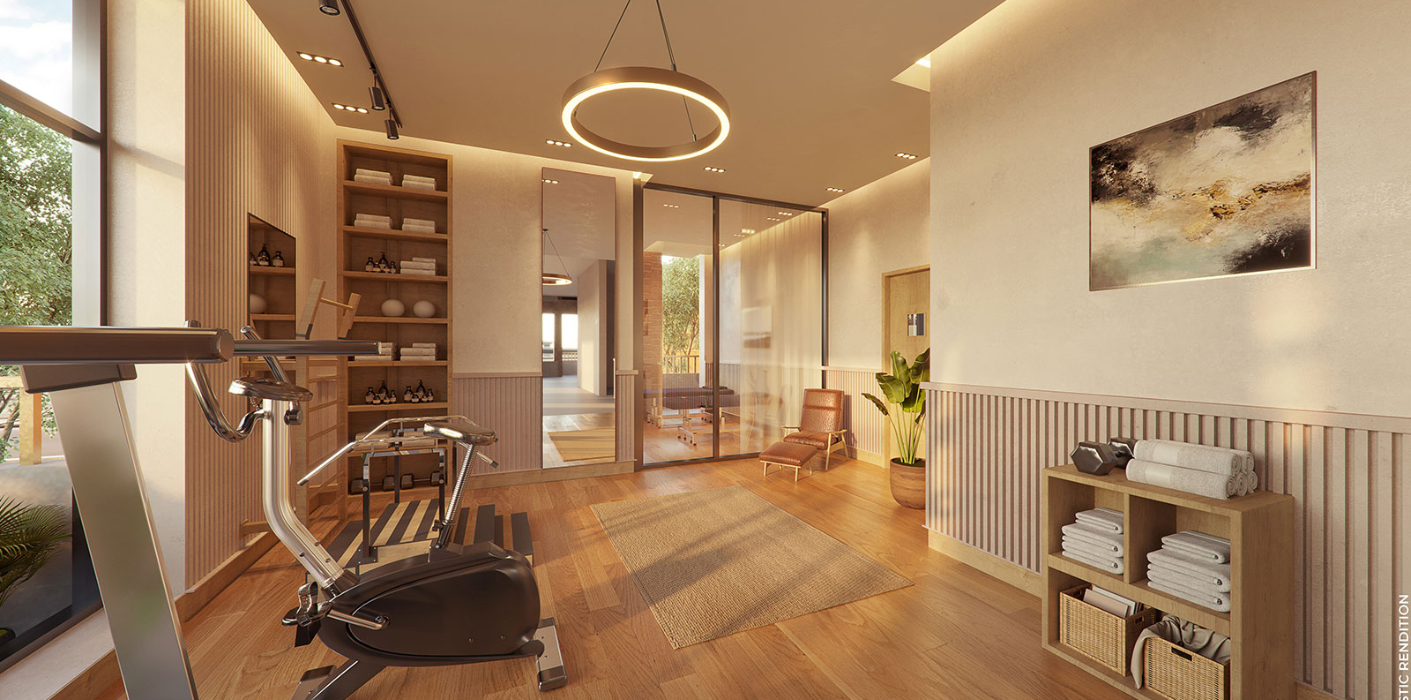
A healthy home is not a static place. It is designed to encourage movement. It does not feel like a place where you are forced to be sedentary. The layout might include wide hallways, comfortable stairs, or dedicated spaces for stretching and exercise.
Kitchens in healthy homes are designed for cooking from scratch. There is plenty of counter space and good lighting. This makes the act of preparing nutritious food feel like a joy rather than a chore. Furniture is chosen for its ergonomic support. Chairs support your spine. Desks are at the right height. Nothing in the home feels like it is straining your body. Instead, every piece of furniture and every room layout supports your natural posture and movement.
The Psychological Feeling of Order and Purpose
Beyond the physical metrics, a healthy home feels organized. This is not about being a minimalist or having a perfectly decorated space. It is about a lack of visual clutter. Clutter is a psychological weight. It creates a constant list of unfinished tasks in the back of your mind.
A healthy home has a place for everything. Storage is functional and accessible. When you enter a room, your eyes can rest because they are not jumping from one pile of objects to another. This sense of order leads to a sense of mental clarity. You feel grounded and in control of your surroundings.
The home also feels purposeful. Each room has a clear function. The bedroom is for sleeping. The kitchen is for nourishment. The living area is for connection. This clarity of purpose helps you transition through your day. You do not feel the stress of work bleeding into your relaxation space. The boundaries are clear, and that creates a feeling of security.
The Role of Technology in a Healthy Home
Technology should serve the health of the occupants, not distract them. In a healthy home, technology is often invisible. It works in the background to monitor air quality, adjust lighting, and manage energy.
You do not feel overwhelmed by screens or tangled cords. Charging stations are tucked away. Devices are used intentionally. The home may even have tech-free zones where the goal is human connection or quiet reflection. This balanced relationship with technology prevents the home from feeling like an office or a digital hub.
| Aspect | Healthy Home Approach |
| Role of Technology | Works in the background to support health |
| Visibility | Mostly invisible, not distracting |
| Usage | Intentional, not excessive |
| Setup | Clean spaces with hidden charging and minimal clutter |
| Environment | Includes tech-free zones for rest and connection |
| Overall Feel | Calm, human-centered, not like an office or digital hub |
The Healing Power of Sleep Sanctuaries
The bedroom is the most important room in a healthy home. It is where your body repairs itself. A healthy bedroom feels like a cocoon. It is the darkest, quietest, and coolest part of the house.
The mattress is made from natural materials that do not off-gas. The bedding is breathable. There are no glowing lights from electronics. When you step into this room, your brain receives a powerful signal that it is time to shut down. The quality of sleep you get in a healthy home is deeper and more restorative. You wake up feeling truly refreshed, not just because you slept enough hours, but because the environment allowed for high-quality rest.