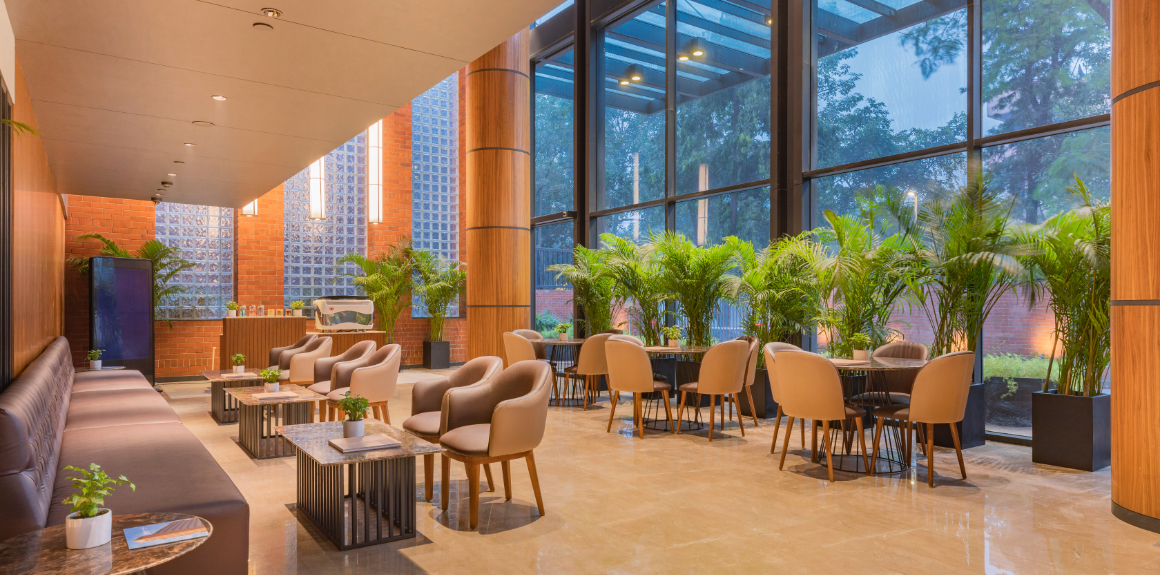


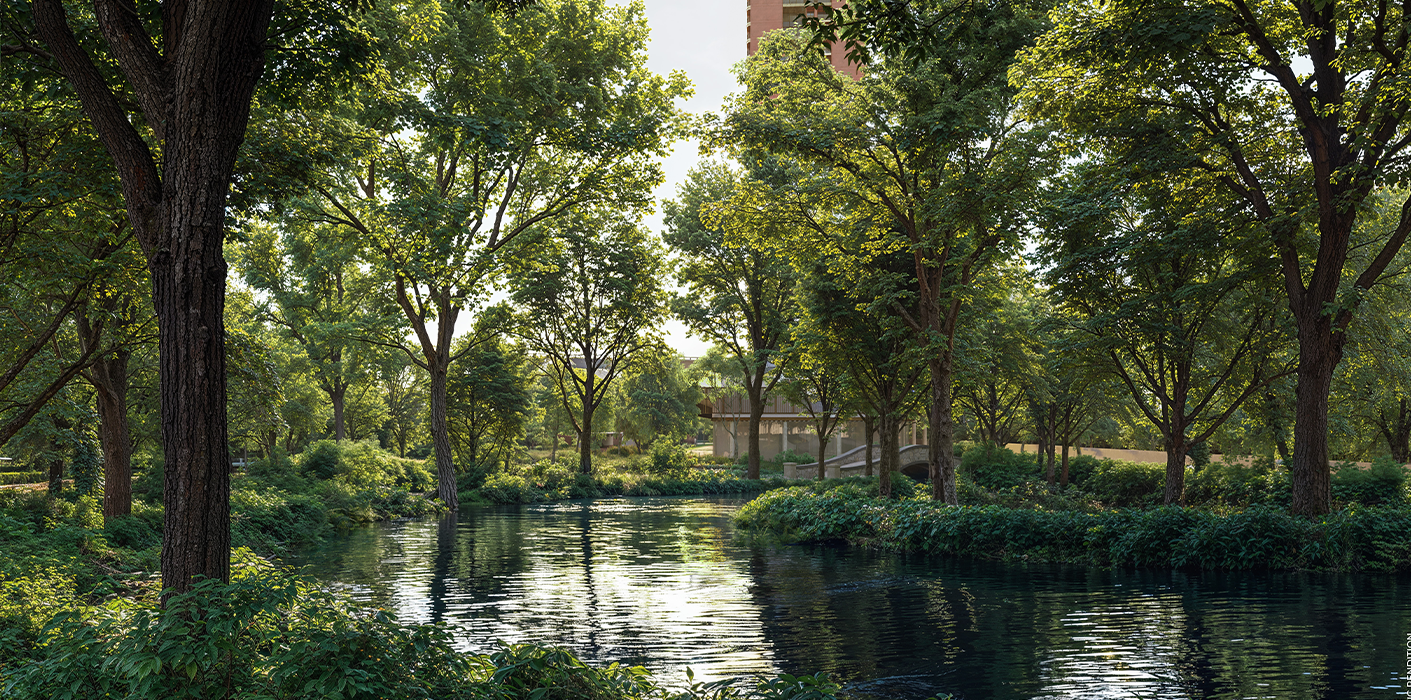
Luxury has always evolved in tandem with the way we live. Where it once focused on scale and excess, today it is shaped by something quieter – comfort, calm, and the quality of everyday experiences. As constant noise, crowded routines, and the pace of dense urban life become an inescapable reality, homeowners today are looking for spaces that ground them back to their roots.
As cities grow and everyday life becomes more demanding, the home has taken on a deeper role. It is no longer simply a place to return to, but an environment that supports how we feel, breathe, and rest with sustainable living.
Research published in the International Journal of Environmental Research and Public Health highlights that regular exposure to natural environments is associated with improved mental health, better sleep quality, and reduced stress levels.
When green spaces and forested surroundings are thoughtfully integrated into where we live, nature becomes part of everyday life rather than something we visit occasionally. This reflects a quiet shift in how homes are being shaped today – where well-being is not an afterthought, but an integral part of thoughtful residential planning. Where nature is not a place you visit, it is home, and that is the biggest advantage of living near nature.
When nature becomes part of everyday life
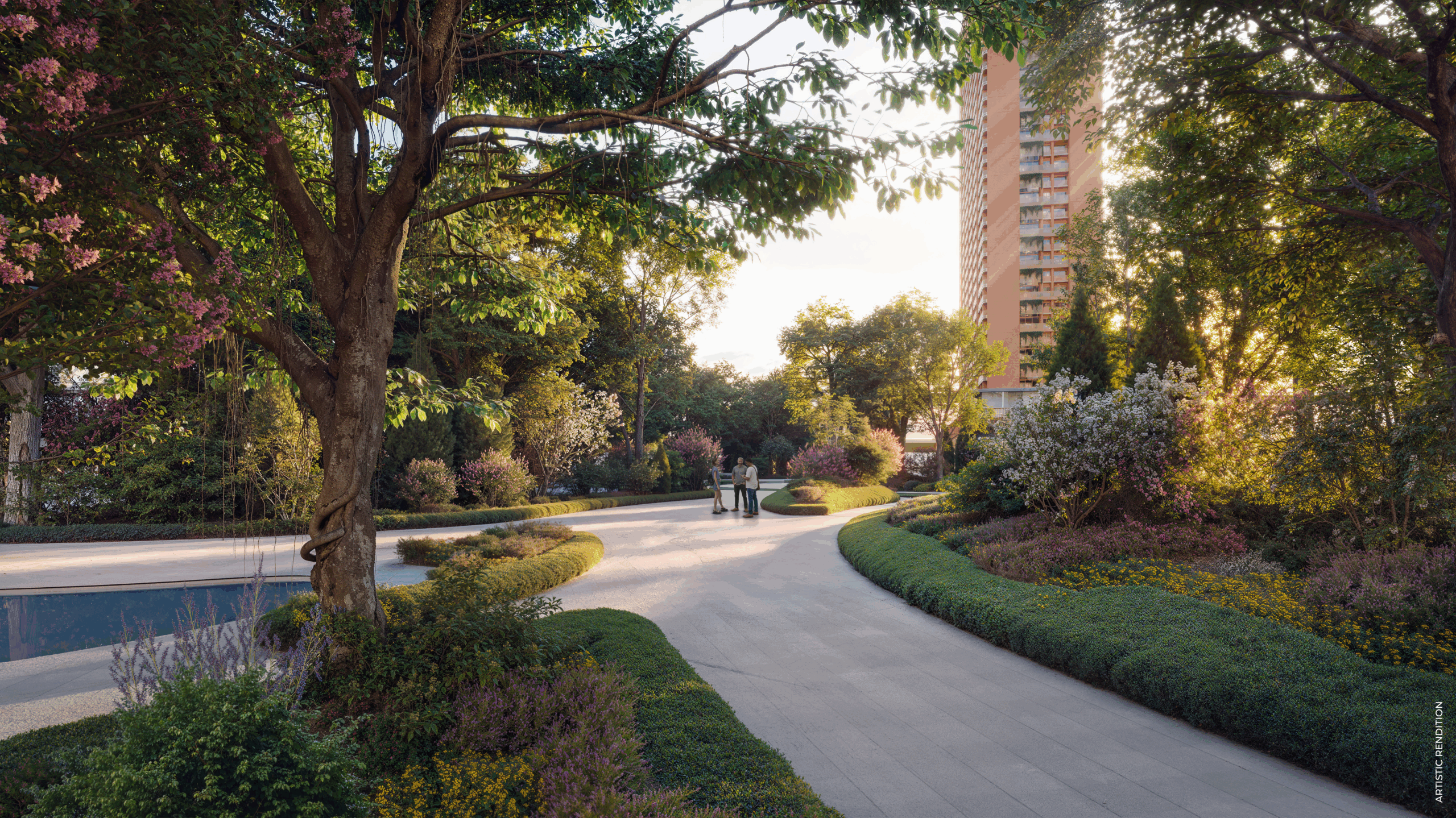
In many urban settings, nature is something we visit occasionally. Forest-integrated living offers a different relationship, one where greenery is present throughout the day, shaping how spaces make us feel.
According to the World Health Organization’s report on urban green spaces and health, easy access to nature supports emotional balance, encourages physical activity, and contributes to overall quality of life. This research reinforces the idea that living near nature is not a lifestyle luxury but a foundation for healthier, more sustainable communities.
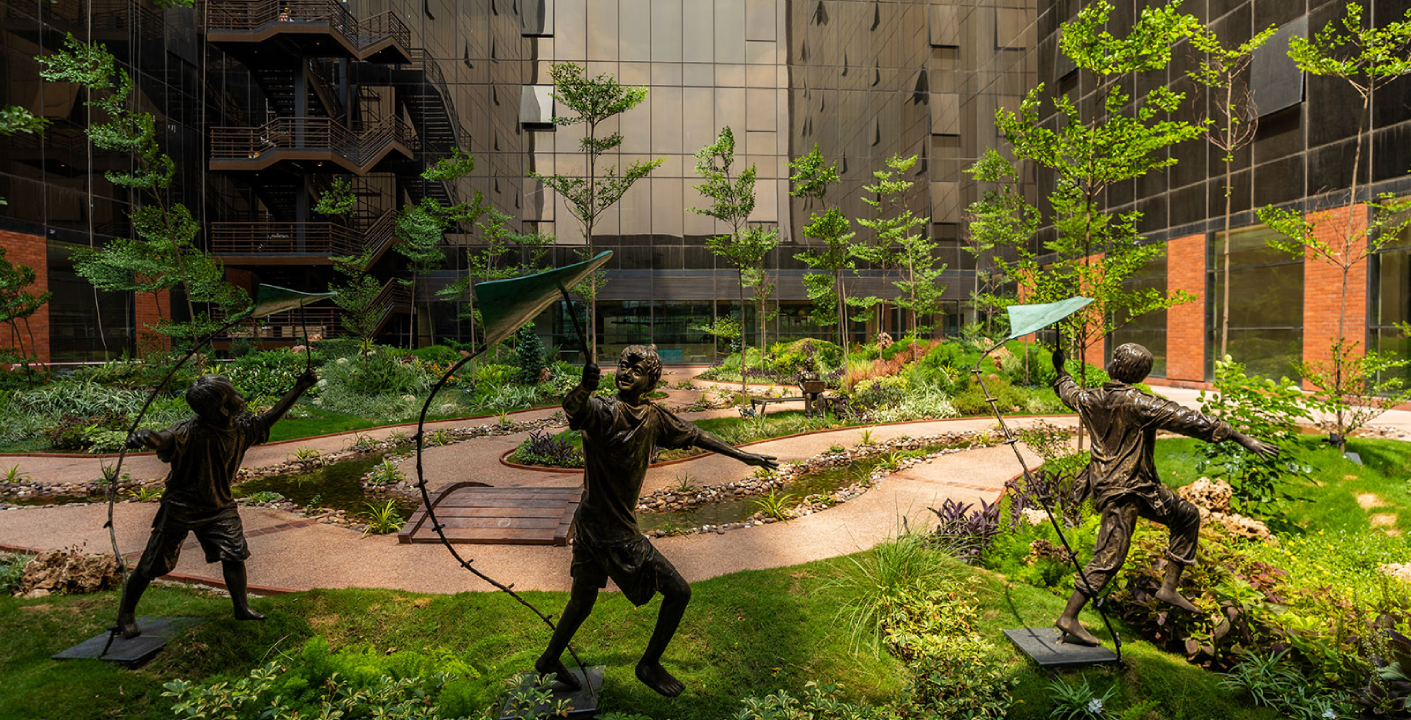
When tree-lined paths, shaded walkways, central forests, and countryside meadows are close at hand, spending time outdoors becomes effortless rather than an experience one ticks off their checklist. In such environments, living near nature allows the outdoors to blend seamlessly with daily routines. In such settings, nature stops feeling like an escape and becomes a familiar presence in daily life – nurturing you every step of the way.
The calming effect of green surroundings
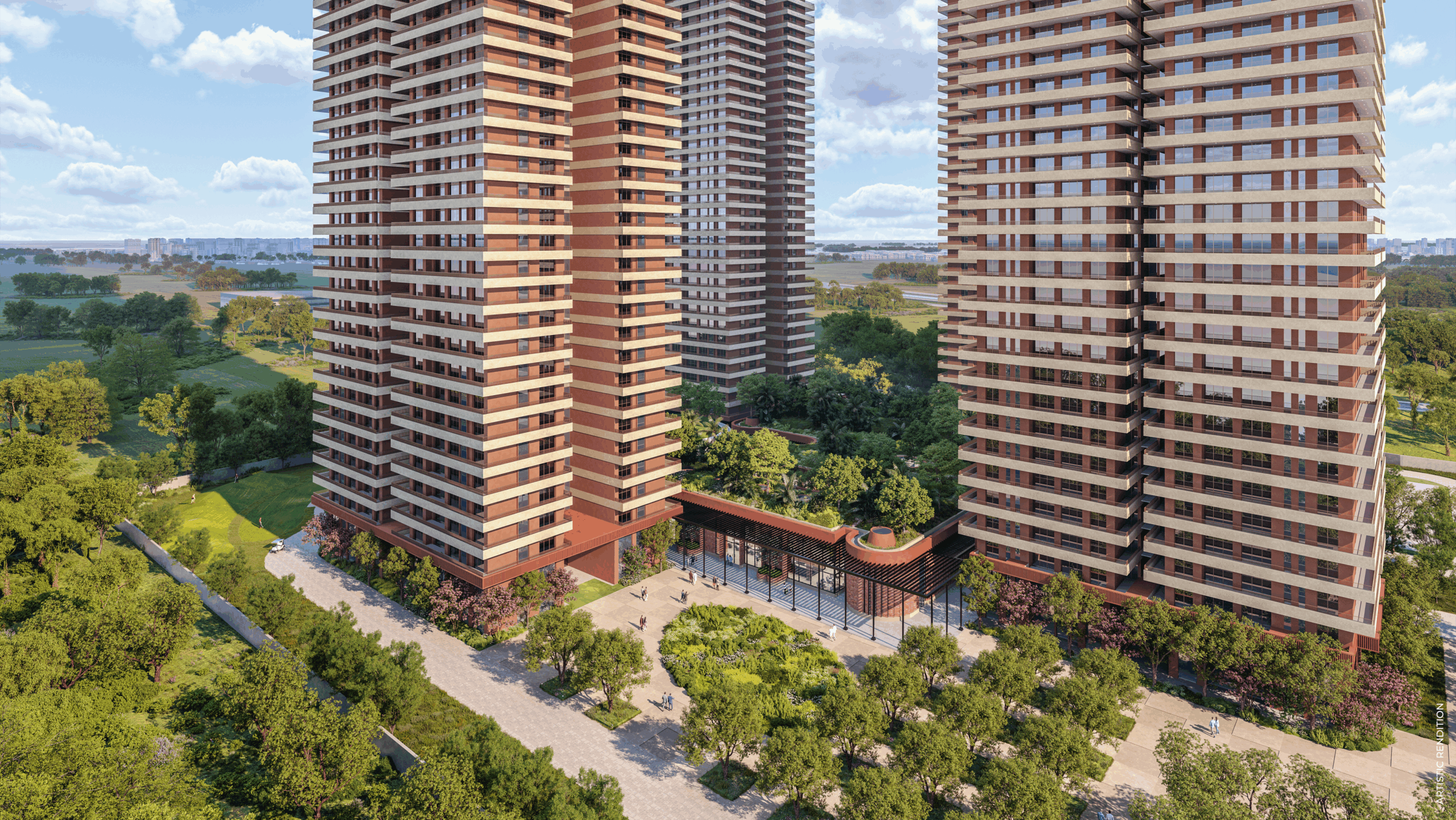
Modern life is characterized by a steady hum of overstimulation. Over time, this can leave the body in a state of constant alertness and often make us feel burnt out.
Research across environmental psychology and public health consistently points to one core insight – that humans tend to live better when they are closer to nature. Proximity to natural settings has been shown to support cognitive, physical, and emotional well-being, shaping not just how homes feel but also how life is experienced within them.
Forested environments, with their shaded walkways, layered greenery, and filtered light, naturally encourage calm – without demanding attention. This is one of the reasons green living homes are increasingly seen as restorative spaces. They create environments that allow the nervous system to slow down and recalibrate.
Space to move, pause, and breathe
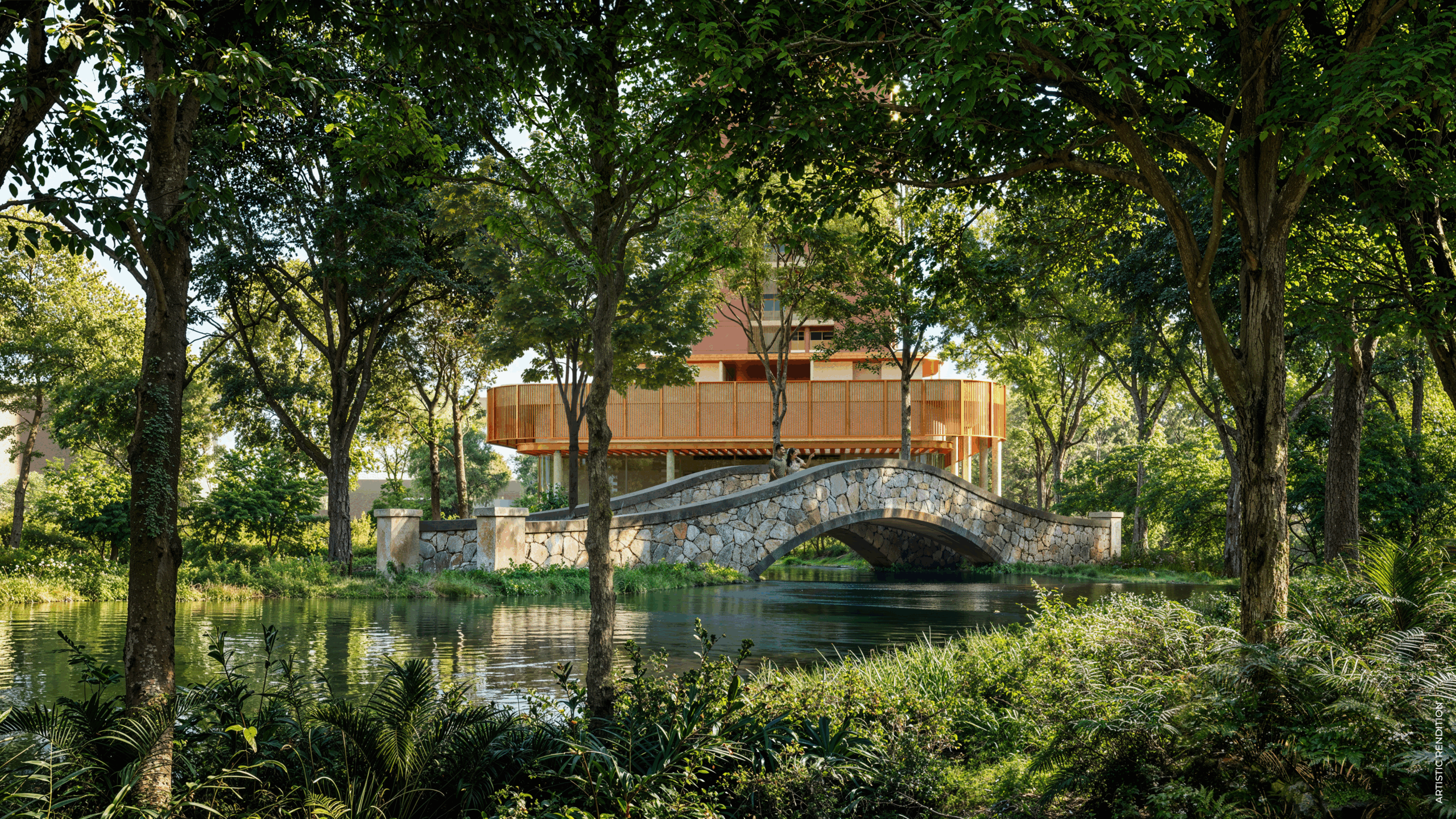
Nature supports movement in a way that feels intuitive rather than imposed. Tree-lined paths and shaded outdoor spaces invite walking and gentle activity as part of everyday life.
Regular interaction with nature has also been strongly associated with emotional well-being. Proximity to natural environments can help reduce stress, anxiety, and symptoms of depression.
Forested surroundings, with their softened sounds, layered greenery, and filtered light, allow the nervous system to shift away from a state of constant alertness. These environments offer emotional relief not through stimulation, but through steadiness.
Observing moments of pause – sitting beneath trees, observing water, or simply being still outdoors.,.These everyday interactions with nature help balance the demands of busy routines, allowing both body and mind to recover naturally – reinforcing the principles of sustainable living.
Over time, this sense of emotional balance becomes part of everyday living.
Clarity, focus, and mental ease
Beyond emotional calm, nature has also been linked with improved attention and reduced mental fatigue. A widely cited study published in the Proceedings of the National Academy of Sciences (PNAS) found that individuals who walked in nature experienced reduced rumination and improved cognitive clarity compared to those in urban settings.
👉 https://www.pnas.org/doi/10.1073/pnas.1510459112
This is where green living homes play a significant role. Green views and access to forested surroundings help reduce mental fatigue, allowing the mind to reset more easily. In this fast-paced modern life, being close to natural environments supports clarity and focus without placing additional demands on attention.
Nature does not demand attention – it gently restores it.
A setting that welcomes every way of living
People experience home differently. Some are drawn to active mornings outdoors, others to quiet evenings surrounded by greenery. Nature-led residential environments allow room for these varied lifestyles. In thoughtfully planned communities, green living homes offer shared outdoor areas for connection alongside private green pockets for solitude.
Insights shared by the World Health Organisation highlight that well-designed green spaces support both social interaction and personal retreat, allowing individuals to engage with their surroundings in ways that feel natural to them.
👉 https://www.euro.who.int/en/health-topics/environment-and-health/urban-health
In such settings, every lifestyle finds space to feel at ease.
Connected living, without the noise
While the desire for calm continues to grow, access and connectivity remain essential. Large-scale reviews published on ScienceDirect show that green space exposure within urban environments helps buffer the negative effects of city stress and supports overall well-being.
https://www.sciencedirect.com/science/article/pii/S0013935118303323
Forest-integrated environments allow residents to stay connected to the city by living near nature while experiencing a sense of calm and ease.
Sustainability as a form of care
Sustainability is closely tied to well-being. Research compiled by the World Health Organization and studies published on ScienceDirect suggest that environmentally responsible planning contributes to healthier, more comfortable living environments over time.
https://www.sciencedirect.com/topics/environmental-science/sustainable-urban-development
When sustainability is embedded into residential design, it becomes a quiet form of care — supporting both people and the environment, consistently and over the long term.
LiveWell, close to nature
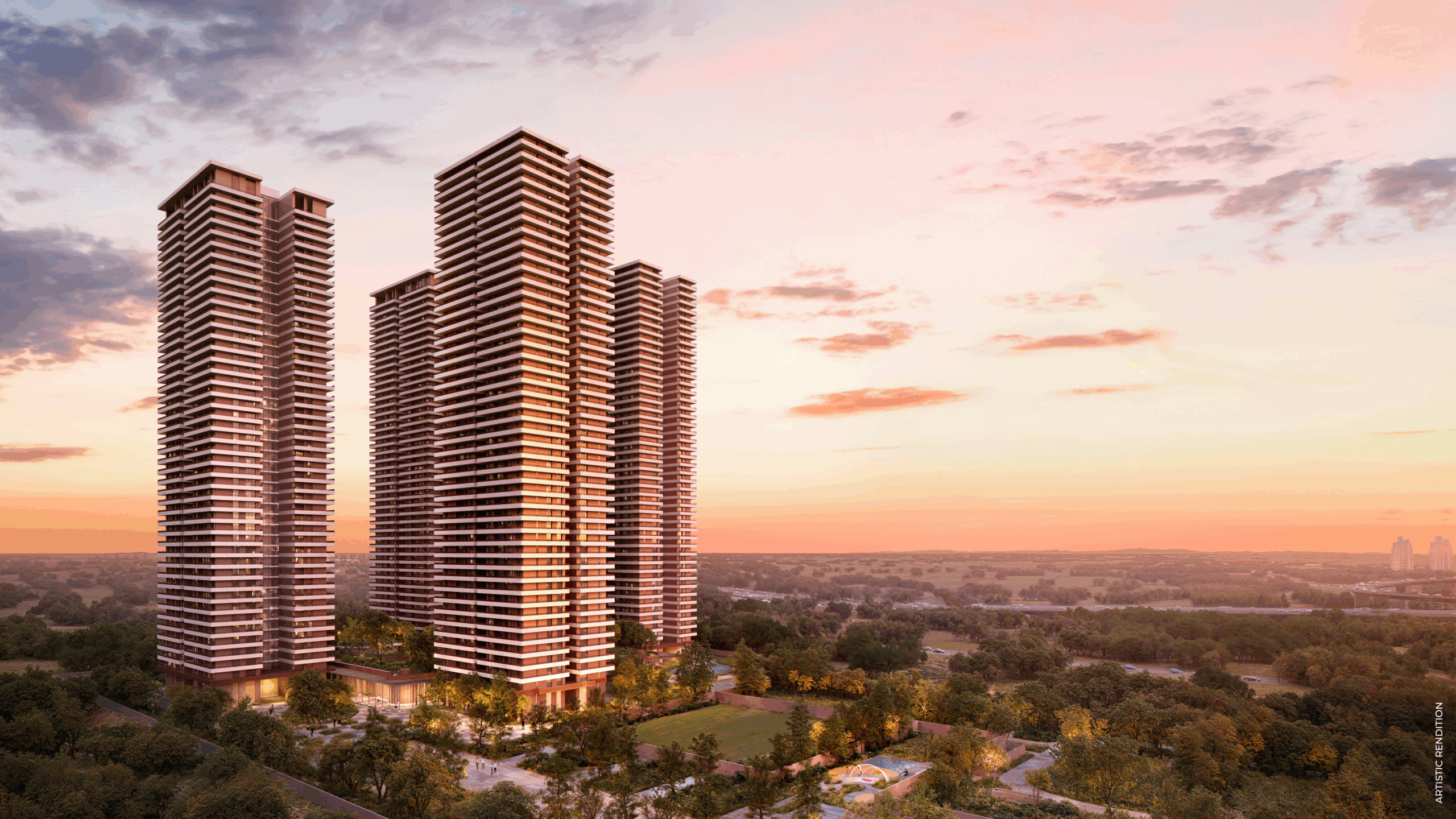
Forest living reflects a deeper understanding of what it means to livewell today. It recognises that surroundings influence how we feel, move, and connect – often in ways we only notice when they are absent.
Research on Shinrin-yoku (forest bathing), published in PubMed-indexed medical journals by researcher Qing Li, shows that regular time spent in forest environments is associated with reduced stress and improved immune function.
Green living homes offer calm without isolation, connection without overload, and balance without effort. They embody sustainable living not as a trend, but as an everyday experience shaped by thoughtful planning.
In such environments, well-being is not something to pursue – it becomes part of everyday living.
A quiet alignment
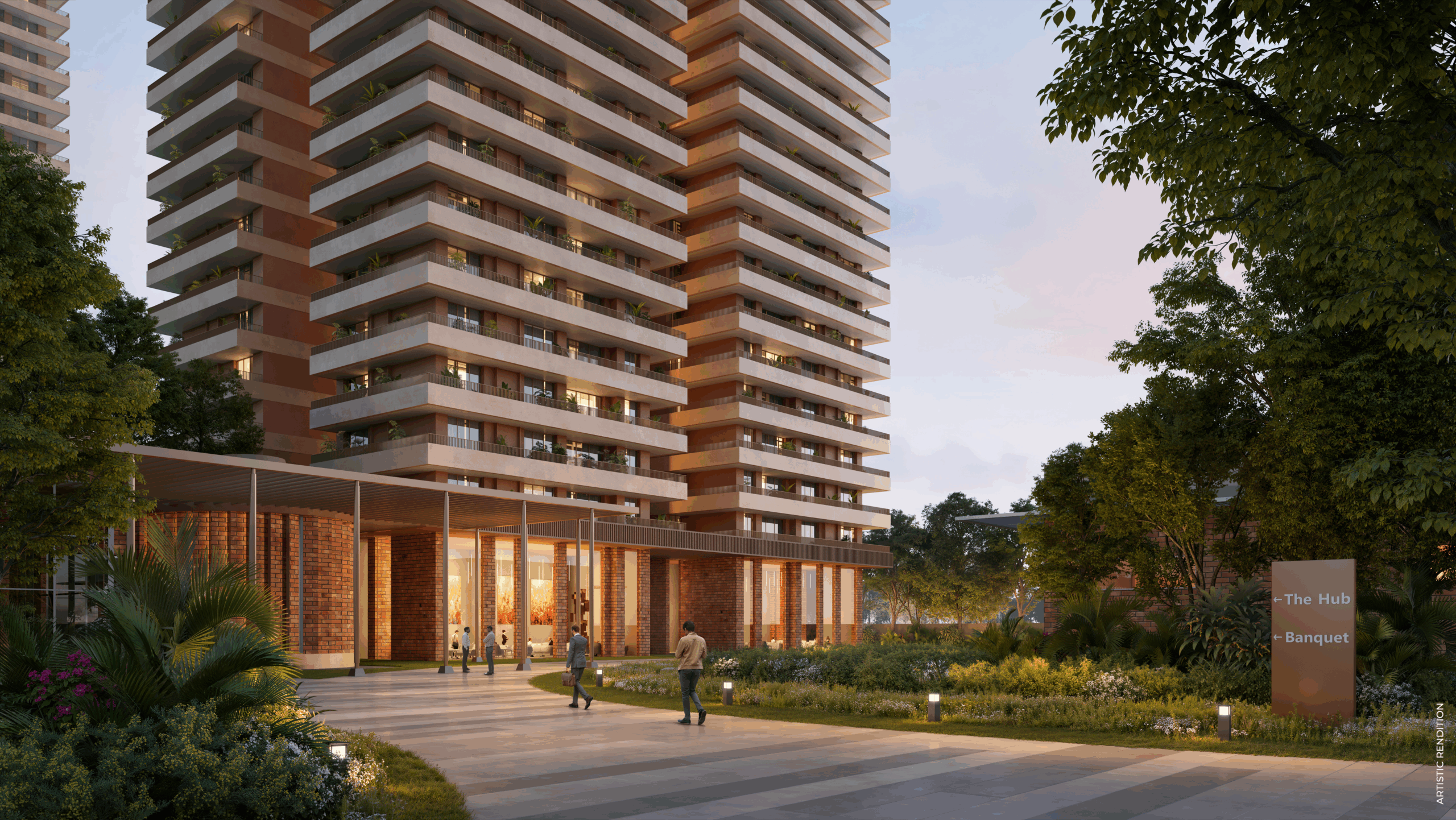
Across thoughtfully planned residential communities, there is growing recognition that nature is not an amenity, but a foundation. When forests, green spaces, and long-term care are integrated with intention, homes offer more than comfort – they support balance.
It is within these environments that sustainable living feels intuitive rather than effortful, more like a natural outcome of where – and how – one lives.