

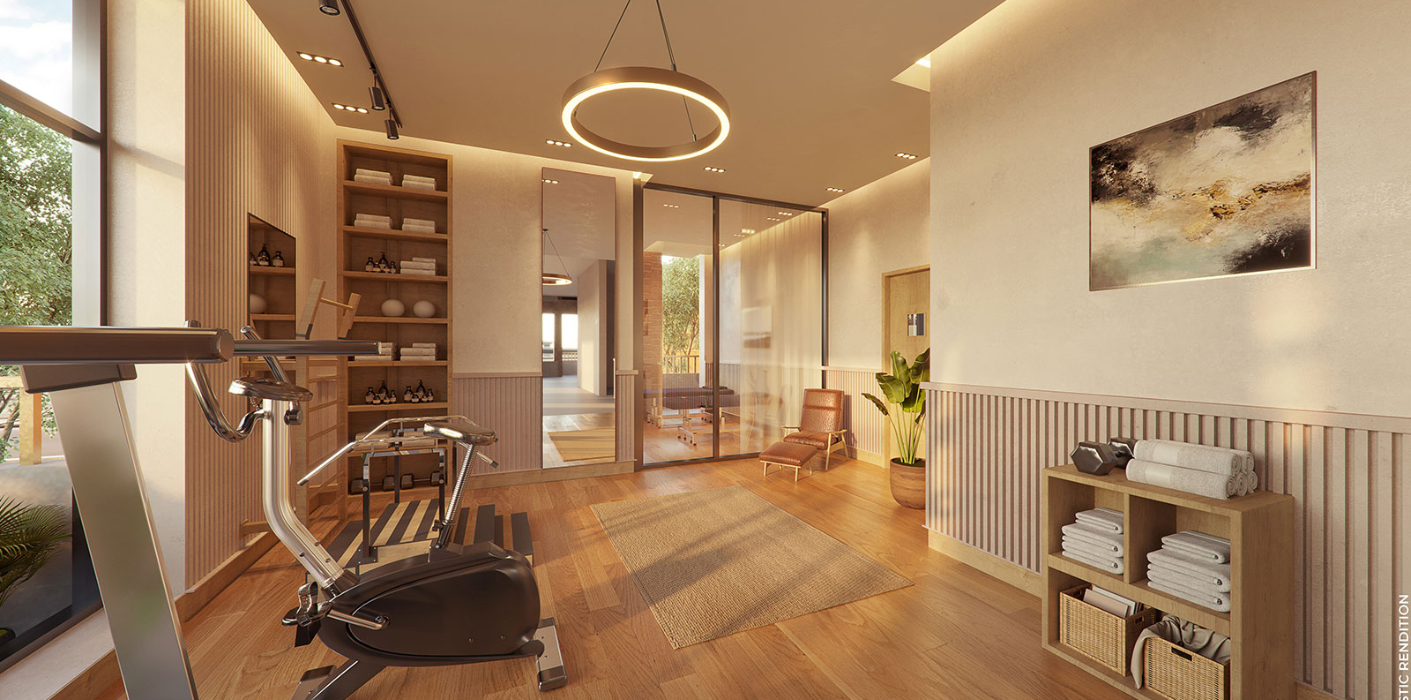
In the past, the ideal home was often pictured as a static place. It was a destination where you would go at the end of a long day to sit still and shut out the world. But as our understanding of health and happiness evolves, so does our architecture. We are entering the age of wellness-led living, where homes are designed to support a life in motion.
A wellness-led home is not just a building. It is an active partner in your health. It is designed to keep you moving, breathing fresh air, and staying connected to the natural rhythms of the day. Instead of a place that slows you down, the modern premium home is a space that energizes you. It recognizes that movement is the key to longevity and that our environment should make healthy choices the easiest choices.
The Shift Toward Active Living
For decades, modern convenience has focused on reducing movement. We wanted everything within arm’s reach so we wouldn’t have to get up. We now know that this sedentary lifestyle is one of the biggest risks to our long-term health. The new age of design flips this idea on its head.
Designing for a life in motion means creating spaces that encourage you to walk, stretch, and interact with your surroundings. It is about wide hallways that feel like galleries, staircases that are beautiful enough to make you want to use them, and layouts that flow naturally from one activity to the next.
The Core Principles of Wellness-Led Design
To build a home that truly supports wellness, designers focus on several key pillars. These elements work together to create an environment that feels vibrant and supportive.
Circadian Rhythm and Natural Light
Our bodies have an internal clock that tells us when to be alert and when to rest. This clock is set by the sun. Wellness-led homes use light as a form of medicine.
- Morning Clarity: Large windows in kitchens and breakfast nooks provide the bright blue light needed to wake up the brain.
- Evening Calm: Smart lighting systems that dim and warm up in the evening help the body produce melatonin for sleep.
- Sunken Courtyards: These architectural features bring light into lower levels, ensuring that no part of the home feels dark or disconnected.
Air Quality and Breathability
We often forget that the air inside our homes can be more polluted than the air outside. A home designed for wellness prioritizes breathability.
- Natural Ventilation: Using cross-ventilation techniques to ensure a constant flow of fresh air.
- Advanced Filtration: High-grade HVAC systems that remove allergens, dust, and pollutants.
- Low-VOC Materials: Choosing paints and adhesives that do not release harmful chemicals into the air.
Acoustic Wellness and Silence
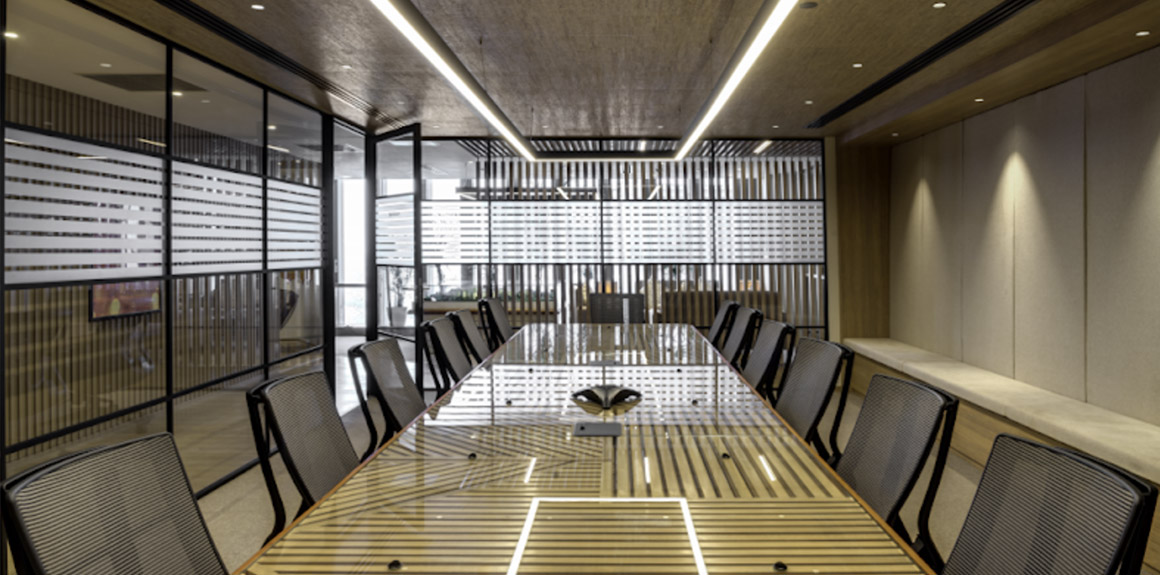
In a world filled with noise, silence has become a true luxury. Acoustic wellness is about managing sound to support your mental state. This means using materials that absorb echoes and windows that block out city noise. A quiet home allows for better focus during the day and deeper rest at night.
| Wellness Element | Impact on the Resident | Design Implementation |
| Movement | Higher energy and better physical health | Wide paths, accessible stairs, and open zones |
| Light | Better sleep and improved mood | Floor-to-ceiling glass and smart circadian bulbs |
| Sound | Reduced stress and better concentration | Acoustic panels, thick rugs, and soundproof glass |
| Nature | Mental clarity and lower blood pressure | Indoor gardens, water features, and stone textures |
Spaces That Adapt to Your Day
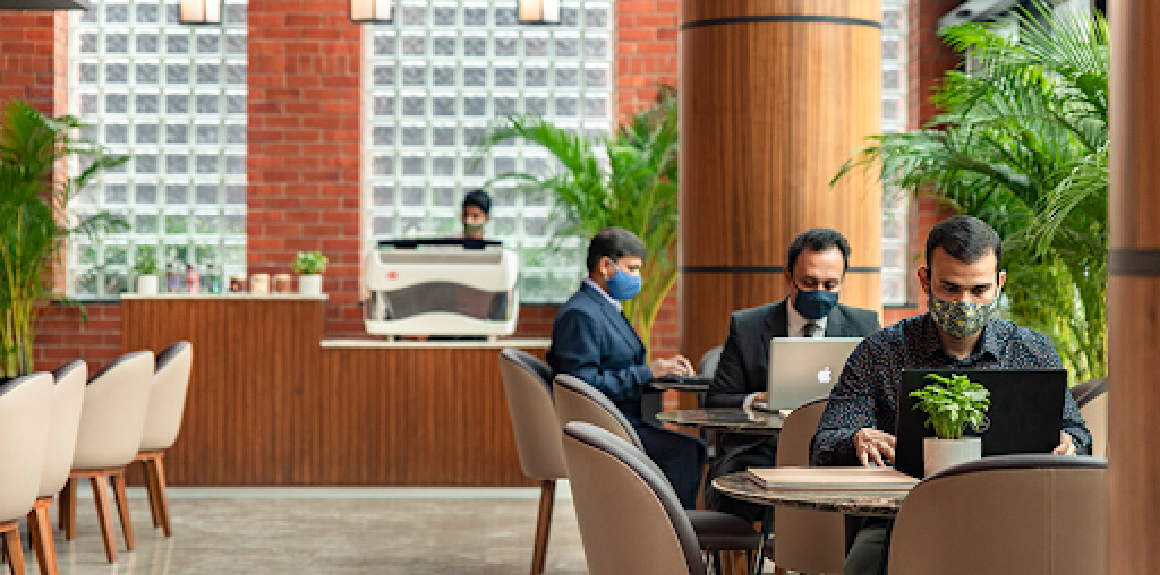
Modern life is not lived in separate, rigid boxes. We work, play, exercise, and relax in the same space. A wellness-led home must be flexible enough to adapt to your needs as they change throughout the day.
The Home Office as a Sanctuary
Working from home can be draining if the environment is stagnant. A life-in-motion design ensures the home office is flooded with light and offers views of greenery. It might include standing desk options and enough space for a quick yoga session between meetings. This prevents work from becoming a purely sedentary experience.
Spa-Inspired Recovery Zones
Bathrooms are no longer just functional. They are being redesigned as recovery zones. This includes steam showers, deep soaking tubs, and materials like raw stone and wood that create a sensory experience. After a day of movement, these spaces provide the necessary contrast of deep relaxation.
Fitness Integration
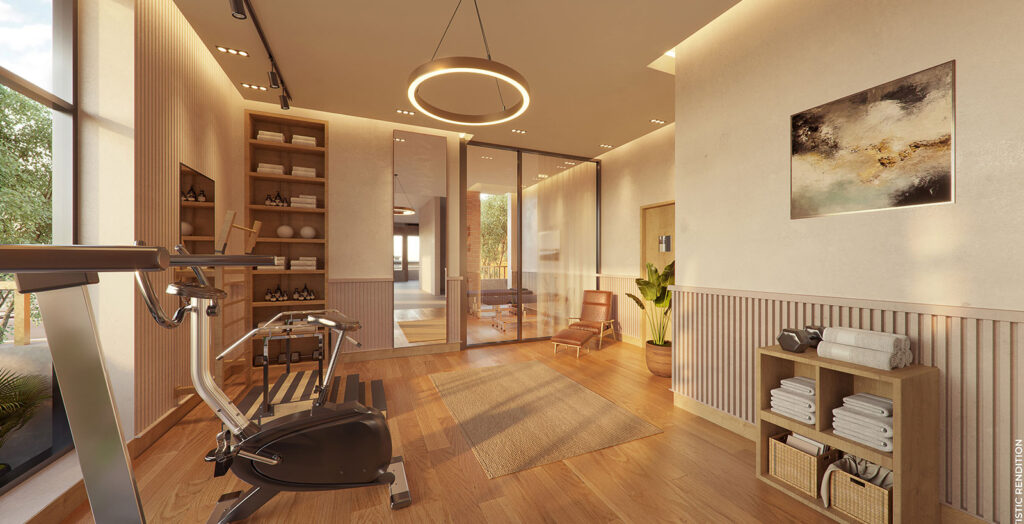
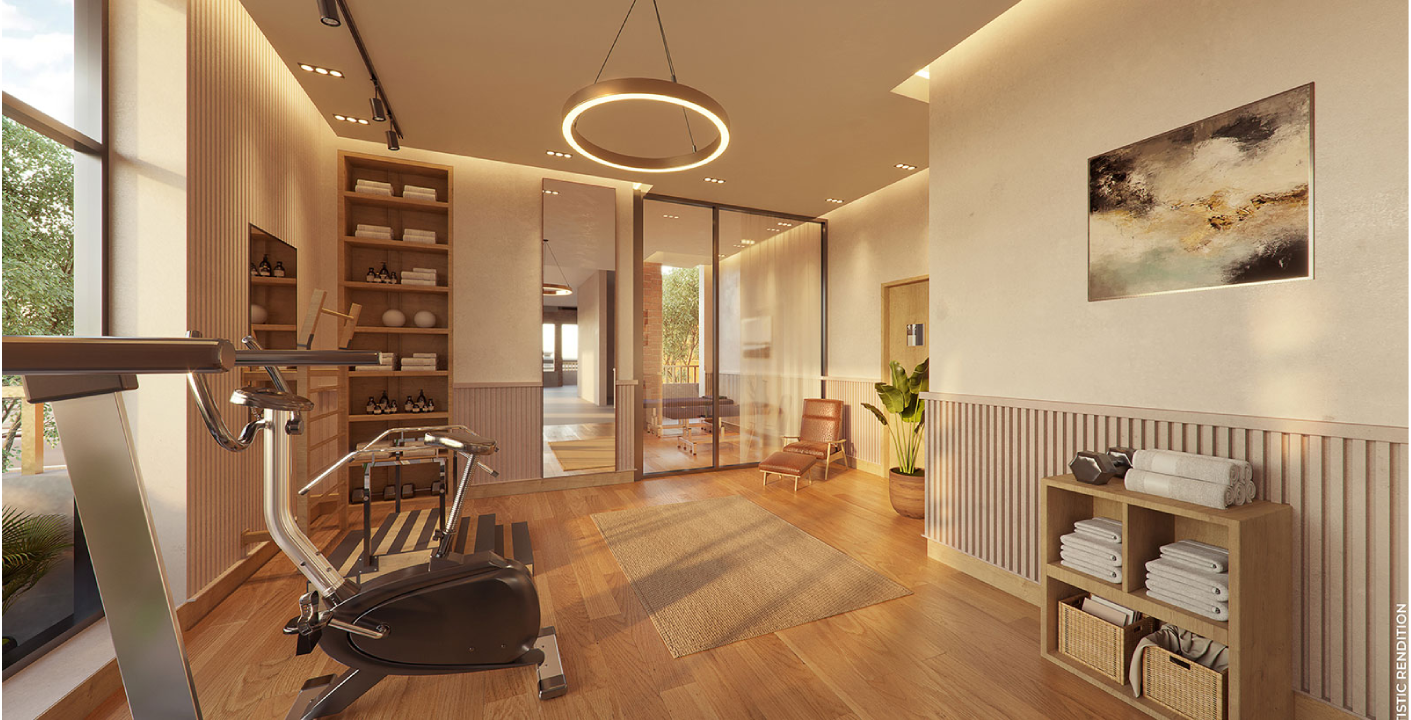
Instead of hiding a treadmill in a dark basement, wellness-led homes integrate fitness into the main living areas. This might mean a dedicated movement room with padded floors and mirrors, or simply an open floor plan that allows you to roll out a mat wherever you feel most inspired.
- Outdoor Gyms: Taking the workout into the fresh air and sunlight.
- Yoga Decks: Quiet, wooden platforms surrounded by plants for morning stretches.
- Walking Trails: Integrated paths within the residential community that encourage a daily stroll.
The Psychological Power of Biophilia
Biophilic design is a major part of the wellness movement. It is the practice of incorporating natural elements into the built environment. When we see wood, stone, and water, our brains register safety and abundance.
Using organic shapes rather than sharp, industrial lines can significantly lower stress levels. Rounded corners, curved furniture, and textured walls make a home feel more human and less like a machine. These small details contribute to a sense of emotional harmony that is essential for true well-being.
The Role of Community in Personal Wellness
Wellness is not just an individual pursuit. It is a social one. A home that supports a life in motion is usually part of a community that does the same.
- Social Hubs: Shared spaces that encourage casual interaction and reduce feelings of loneliness.
- Intergenerational Design: Features that make the environment safe and enjoyable for both children and seniors.
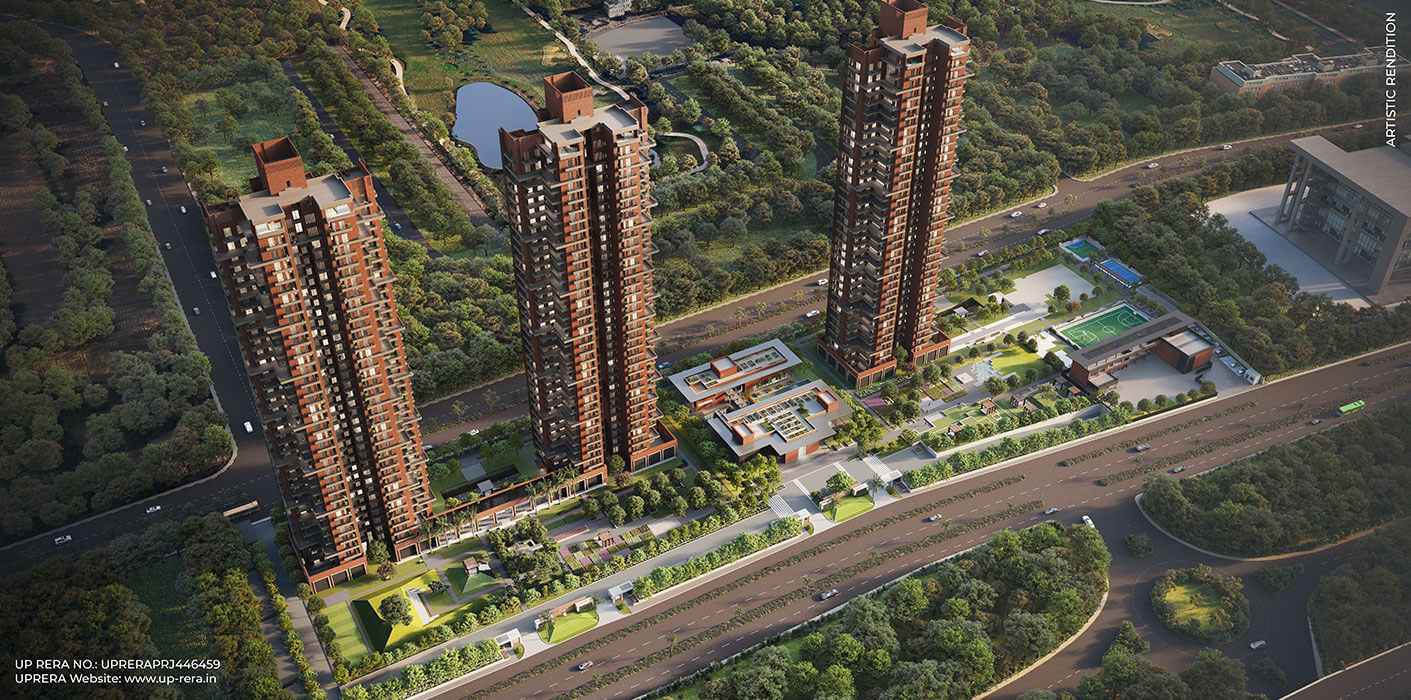
- Safe Walkways: Vehicle-free zones that allow residents to walk and talk without the stress of traffic.
| Community Feature | Wellness Benefit |
| Pet Playgrounds | Encourages outdoor activity and emotional bonding |
| Community Gardens | Connects residents to the earth and promotes healthy eating |
| Clubhouse Lounges | Provides a space for social connection and relaxation |
| Sports Blocks | Offers easy access to team sports and group exercise |
The Future of Healthy Living
As we look toward the future, the demand for wellness-led living will only increase. We are moving away from the idea that a home is just an investment or a status symbol. We are realizing that a home is a foundation for a better life.
The most successful homes of the next decade will be the ones that prioritize the human experience above all else. They will be spaces that breathe, move, and grow along with the people who live inside them. This is the new age of luxury, where the greatest treasure you can own is your own health and peace of mind.
Conclusion
Designing for a life in motion requires a deep understanding of human biology and psychology. It takes a developer who is willing to look beyond standard floor plans to create something truly transformative. Max Estates is at the forefront of this wellness revolution. Their philosophy is built on the LiveWell concept, which focuses on the physical, mental, and social health of every resident.
Max Estates does not just build residential towers. They create ecosystems that encourage movement and provide sanctuary. Through their use of biophilic design, intentional community spaces, and cutting-edge sustainability, they are redefining what it means to live in luxury. Projects like Estate 128 and Estate 360 show their commitment to low-density living, natural light, and vehicle-free landscapes. These are homes that truly support a life in motion.