

In the past, the word “premium,” when applied to housing, usually meant one thing: isolation. High-end living was often defined by tall gates, thick walls, and a sense of being separated from the rest of the world. The goal was to create a private fortress where a family could live in total seclusion. But as our society changes, our definition of luxury is changing with it.
Today, the most successful and wealthy individuals are moving away from isolation. Instead, they are looking for connection. We have realized that true luxury is not just about the size of your house or the brand of your appliances. It is about the quality of your relationships and the strength of the community you live in. Community-centric living is the new gold standard for premium housing. It is a way of designing homes that encourages people to step out of their front doors and engage with their neighbors.
The Problem with Modern Loneliness
Even though we are more connected than ever through technology, many people feel more alone than ever before. Living in a massive house with no sense of neighborhood can feel empty. Studies show that social isolation is one of the biggest threats to our health and happiness.
Premium housing projects are now addressing this by creating spaces that facilitate natural human interaction. The goal is to move from being a collection of strangers living in the same postal code to being a group of friends who support each other. This shift is not just a trend. It is a necessary evolution of how we build our cities and our homes.
The Core Pillars of Community Centric Design
Creating a community does not happen by accident. It requires very specific architectural and social planning. Developers of premium housing are now focusing on several key pillars to ensure that their residents feel connected.
Shared Spaces that Actually Work
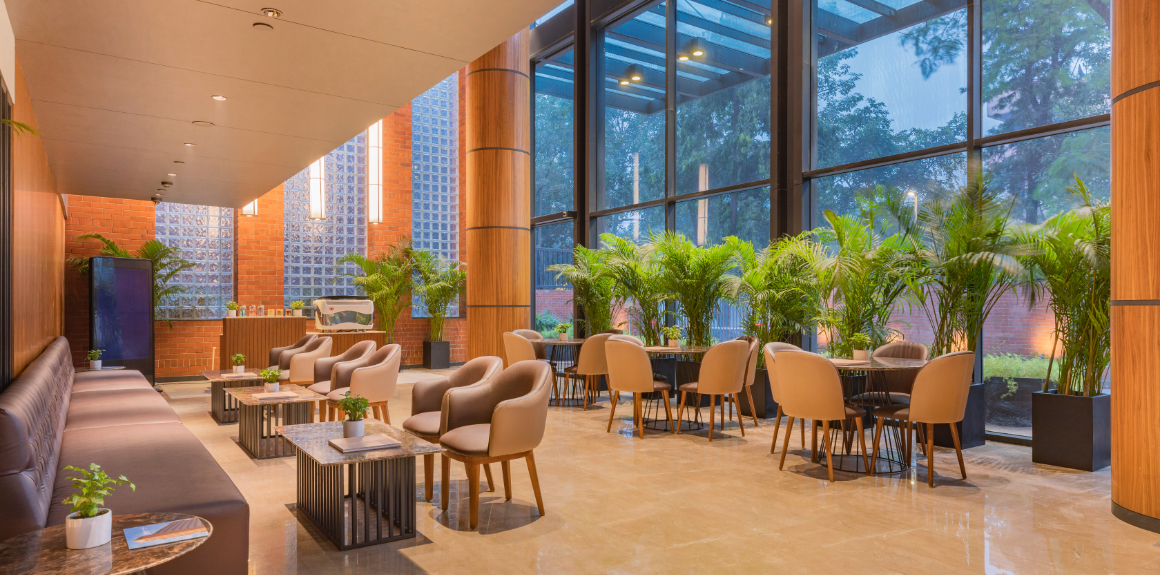
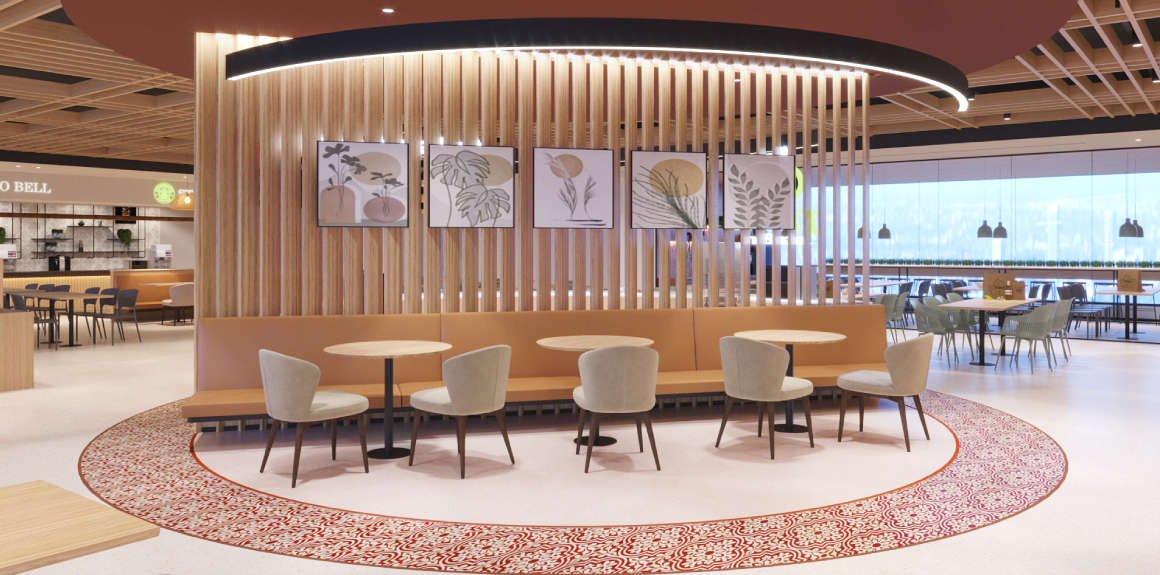
In the old model of luxury housing, shared spaces were often an afterthought. There might be a gym or a small park that nobody uses. In community-centric design, these spaces are the heart of the project.
- Co-working Lounges: As more people work from home, having a professional space to work alongside neighbors provides social energy without the commute.
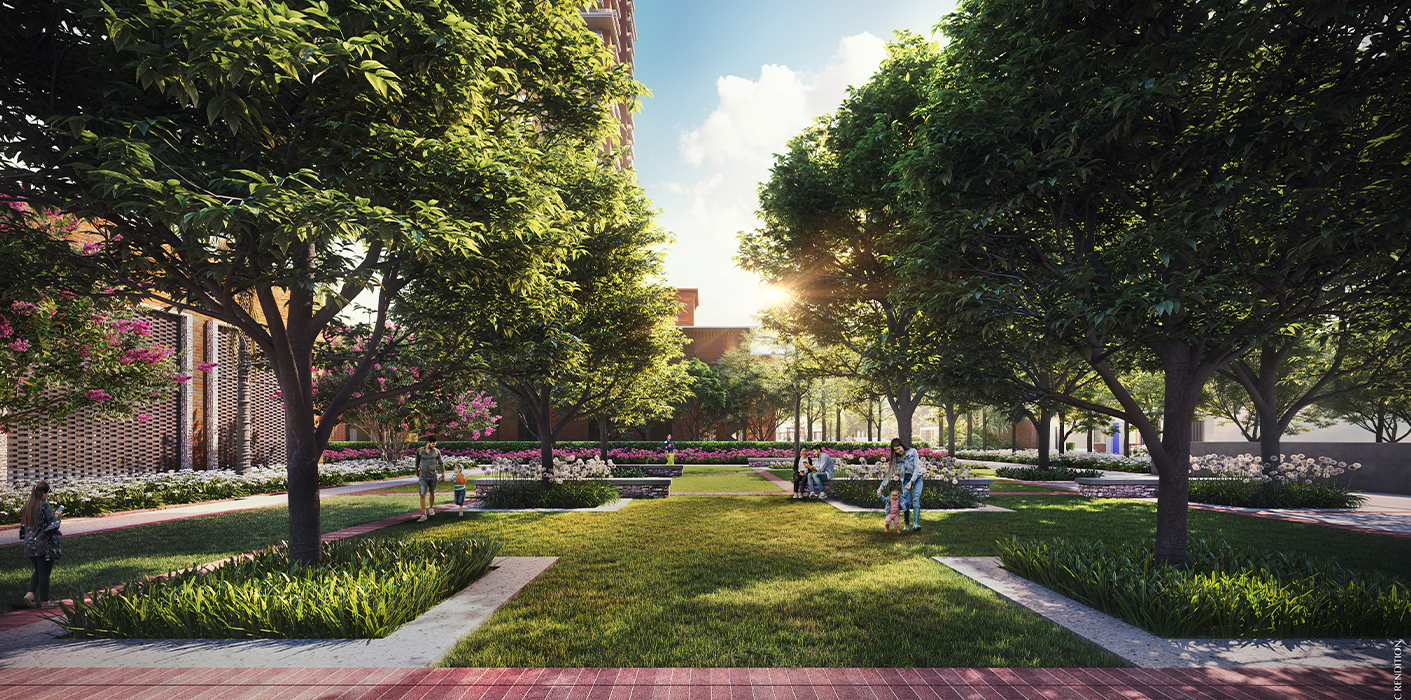
- Urban Farms and Gardens: Growing food together is one of the oldest ways humans have bonded. Shared gardens allow residents to connect over a common goal.
- Wellness Hubs: Beyond just a gym, these are spaces for yoga, meditation, and group fitness that encourage people to stay healthy together.
- Curated Dining Areas: Shared kitchens and outdoor dining spots allow for community potlucks and celebrations.
Pedestrian First Layouts
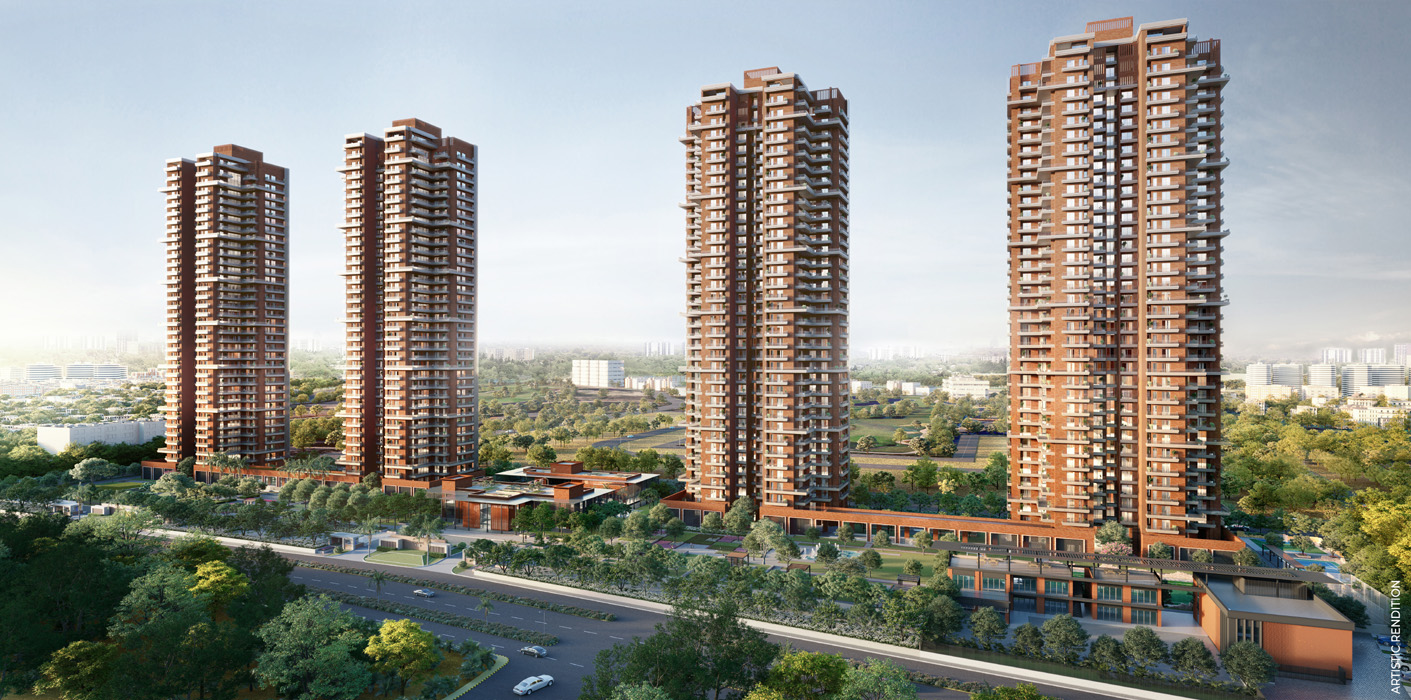
A community cannot thrive if the streets are dominated by cars. Premium housing is now moving parking underground or to the property’s perimeter. This leaves the center of the community for people. When you can walk to your neighbor’s house or to a central plaza without crossing a busy road, you are much more likely to stop and have a conversation. This creates a safe and quiet environment where children can play, and adults can stroll.
Events and Programming
A beautiful space is only half of the equation. The other half is what happens in that space. Premium communities now often employ community managers. These individuals organize events like movie nights, art workshops, and holiday festivals. By providing a schedule of activities, the developer makes it easy for residents to meet one another without awkwardness.
| Feature | Traditional Premium Housing | Community Centric Premium Housing |
| Privacy | High walls and gated isolation | Balanced privacy with shared social zones |
| Social Life | Organized by the resident outside the home | Facilitated by community events and spaces |
| Space Usage | Large private gardens and pools | Optimized private space with grand shared amenities |
| Feeling | Exclusive and quiet | Vibrant and supportive |
The Benefits of Living Together
Why are people willing to pay a premium for community-centric living? The benefits touch every part of a person’s life, from their physical health to their financial security.
Psychological Well Being
Humans are social animals. We thrive when we feel like we belong to something bigger than ourselves. Living in a community provides a safety net for our mental health. Knowing your neighbors means you have people to talk to, people to watch your house when you are away, and people to celebrate your successes with. This sense of belonging reduces anxiety and increases overall life satisfaction.
Security Through Connection
While high walls provide a physical barrier, a strong community provides a social barrier against crime. When neighbors know each other, they notice when something is out of place. They look out for each other’s children and property. A neighborhood where everyone knows each other’s names is often much safer than one where everyone is a stranger behind a gate.
Economic Value and Shared Resources
Community-centric living is also more efficient. Not every resident needs to own a high-end toolkit, a massive guest suite, or a private theater. By sharing these resources, everyone gets access to better facilities than they could afford on their own. This shared economy within a housing project adds a layer of practical luxury that is very attractive to modern buyers.
- Lower Individual Costs: Shared maintenance of grand amenities reduces the burden on each household.
- Higher Resale Value: Properties in vibrant, active communities are in high demand and tend to appreciate faster.
- Sustainability: Shared resources and pedestrian layouts contribute to a much lower carbon footprint.
The Role of Technology in Community
Modern premium housing uses technology to enhance connection rather than replace it. Many communities now have dedicated apps that allow residents to communicate easily.
- Service Requests: Quickly book maintenance or cleaning services.
- Event Invitations: Seeing what is happening in the neighborhood and RSVPing instantly.
- Resource Sharing: A digital bulletin board for lending books, tools, or advice.
- Security Alerts: Real-time updates that keep everyone informed and safe.
This digital layer acts as a bridge, making it easier for busy people to stay involved with their neighbors without it feeling like a chore.
The Future of Urban Living
As our cities become more crowded and our lives become more digital, the need for physical community will only grow. We are seeing a move toward multigenerational living, with housing projects designed to accommodate young professionals, families, and retirees in one place. This diversity makes a community more resilient and interesting.
In the future, the most prestigious homes will not be those farthest from people. They will be the ones that are perfectly integrated into a thriving, healthy social ecosystem.
Conclusion
The shift toward community-centric living represents a return to a more authentic way of life. It acknowledges that while we value our privacy, we also deeply value our connections. A house is just a building, but a community is a home. By focusing on shared experiences and human interaction, premium housing is helping people live longer, happier, and more meaningful lives.
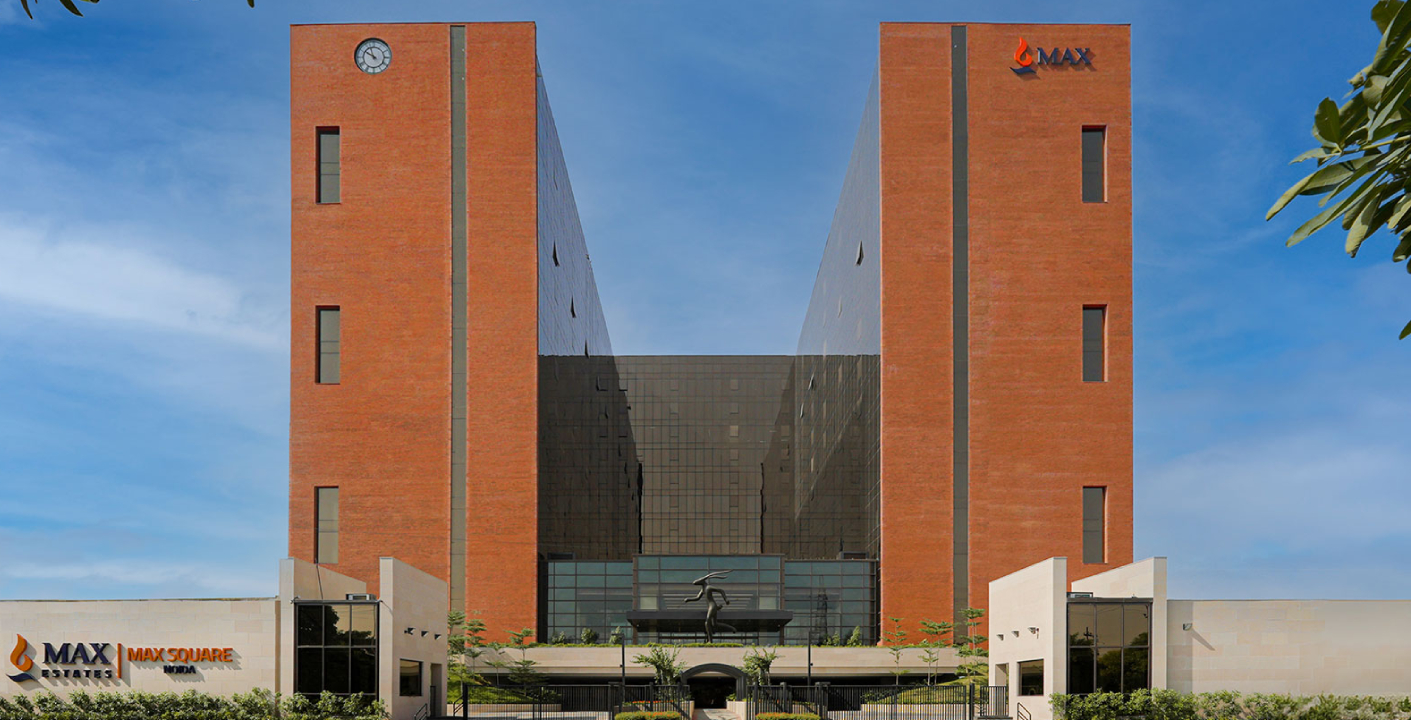
Developers who understand this are leading the way into a new era of real estate. Max Estates is a standout in this field. They have built their reputation on the idea of wellbeing and the importance of the collective experience. Max Estates does not just build apartments. They build neighborhoods where people can truly flourish. By integrating green spaces, thoughtful amenities, and social hubs into their projects, they ensure that every resident feels a sense of belonging.