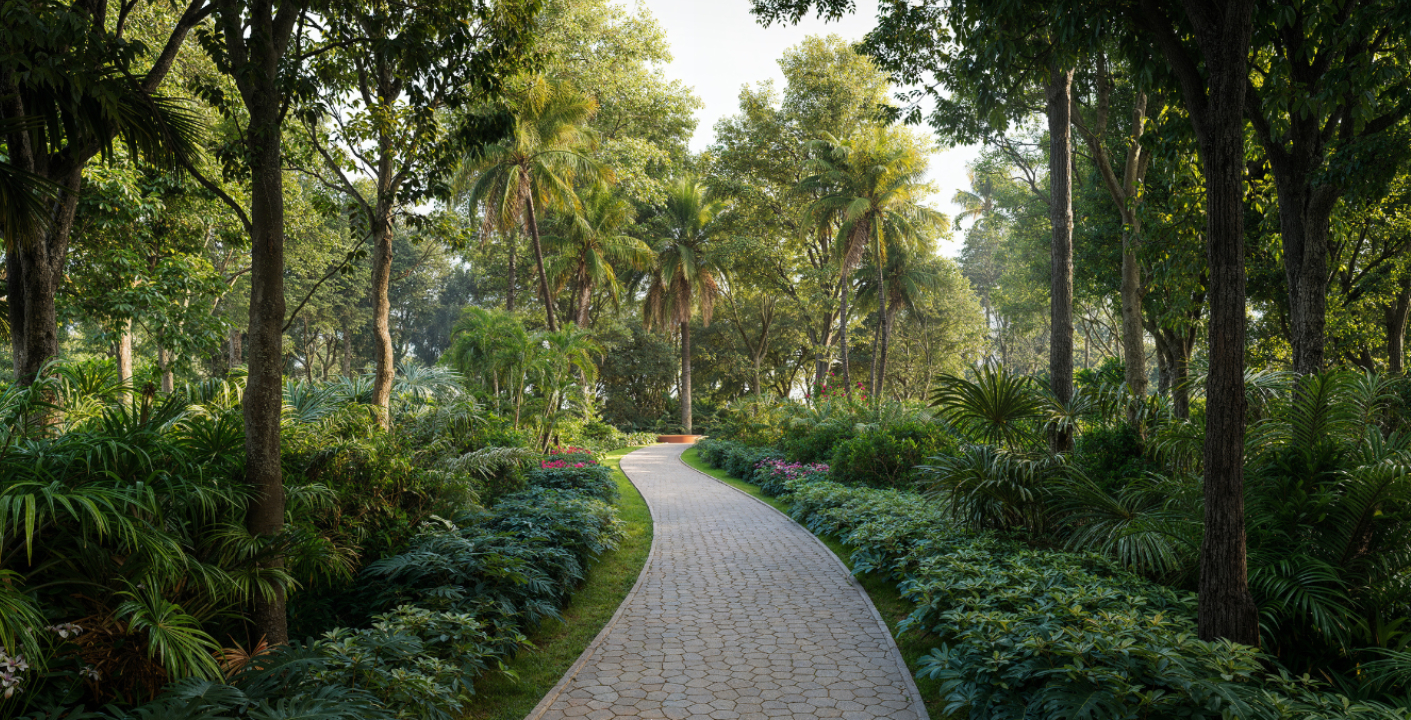


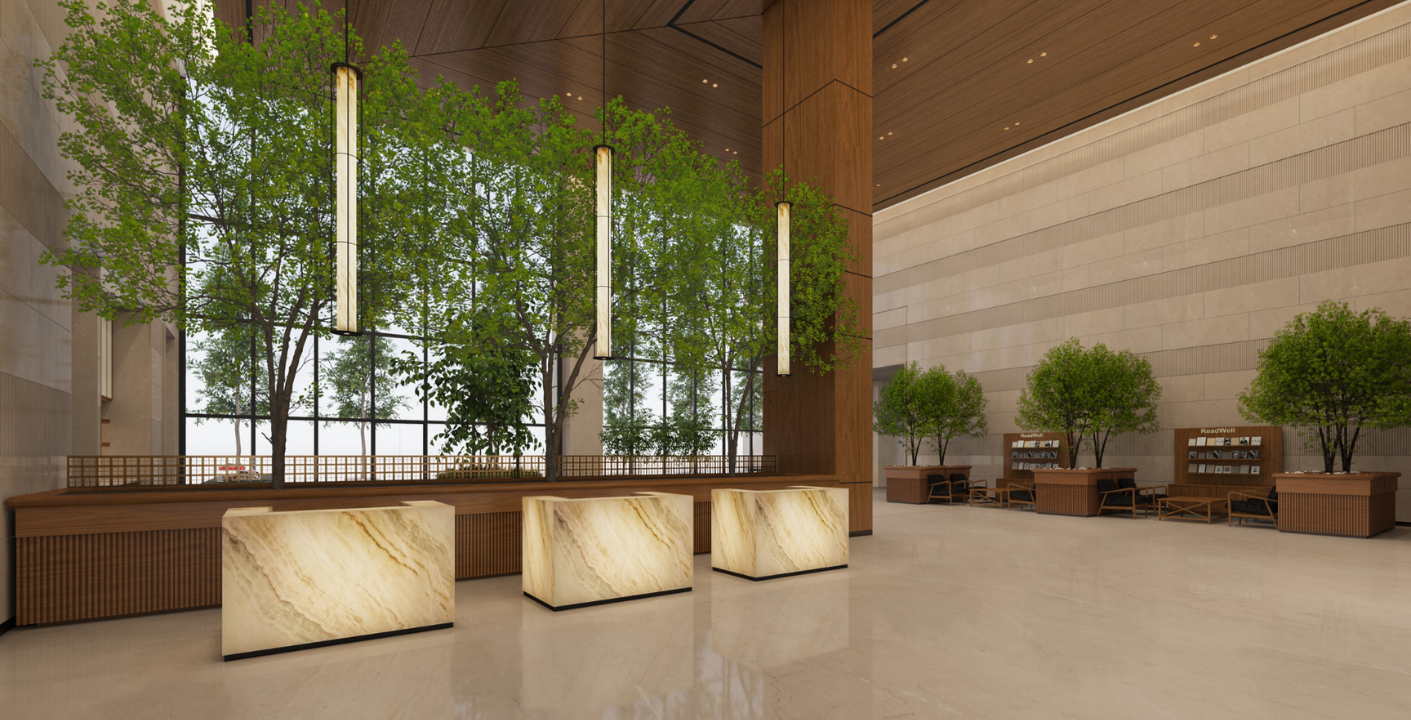
For most of human history, people lived in close contact with the natural world. Our ancestors spent their days surrounded by trees, water, and open skies. Today, our lives look very different. We spend the vast majority of our time inside boxes made of concrete, steel, and glass. While these modern buildings protect us from the elements, they also cut us off from the environment that our bodies and minds were built for.
Biophilic design is the practice of bridging this gap. It is a way of designing our homes and workplaces to reconnect us with nature. It is not just about adding a few plants to a room. It is a deep philosophy that uses natural light, organic shapes, and raw materials to improve our health and happiness. By bringing the outside in, we can create spaces that feel less like enclosures and more like sanctuaries.
Why We Need Nature Indoors
The term biophilia means a love of living things. Scientists believe that humans have an innate biological need to connect with nature. When we are separated from it for too long, our stress levels rise and our productivity drops. Biophilic design works because it satisfies this deep-seated hunger for the natural world.
When you walk through a forest, your heart rate naturally slows down. Your breathing becomes deeper, and your mind clears. The goal of biophilic design is to capture that feeling and bring it into your living room. It turns a house from a place where you simply store your belongings into a place that actively heals you.
The Core Principles of Biophilic Design
To implement this style correctly, it helps to break it down into three main categories. These categories cover how we see nature, how we mimic nature, and how we feel the atmosphere of a space.
Direct Experience of Nature
This is the most straightforward part of the design. It involves bringing actual living elements into your home. This includes things you can see, touch, and hear.
- Natural Light: As discussed previously, sunlight is the most important element. It sets our internal clocks and improves our mood.
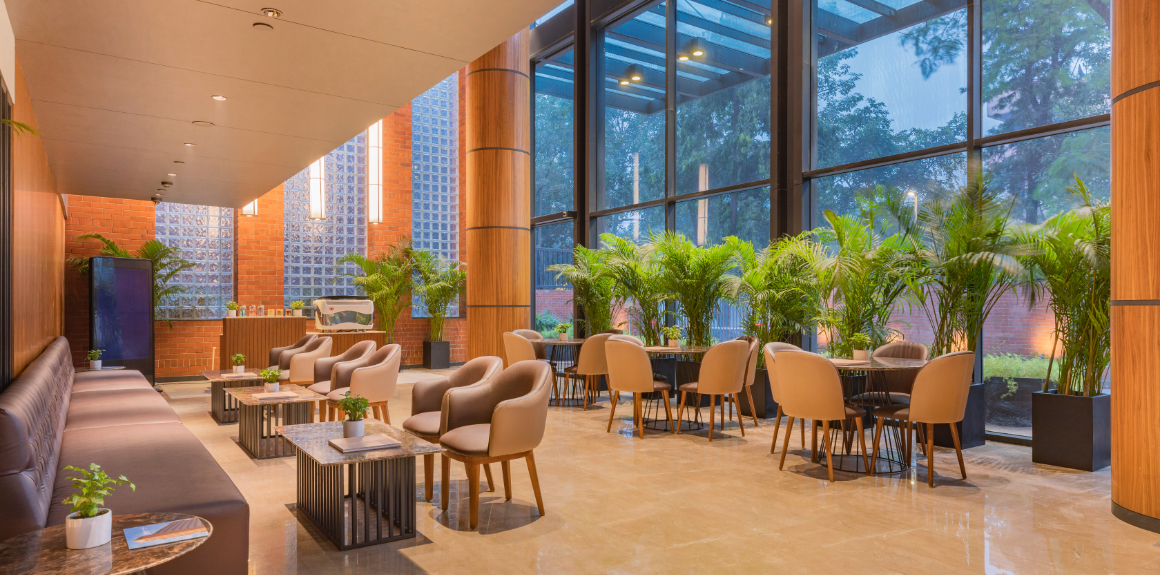
- Plants and Greenery: Living plants provide oxygen and a visual connection to the earth.
- Water Features: The sound and sight of moving water can mask city noise and create a sense of peace.
- Fresh Air: Opening windows to let in a breeze helps improve indoor air quality and connects us to the weather outside.
Indirect Experience of Nature
Sometimes you cannot bring the actual outdoors inside. In these cases, you use materials and patterns that evoke the brain’s natural associations. This is also called evocative design.
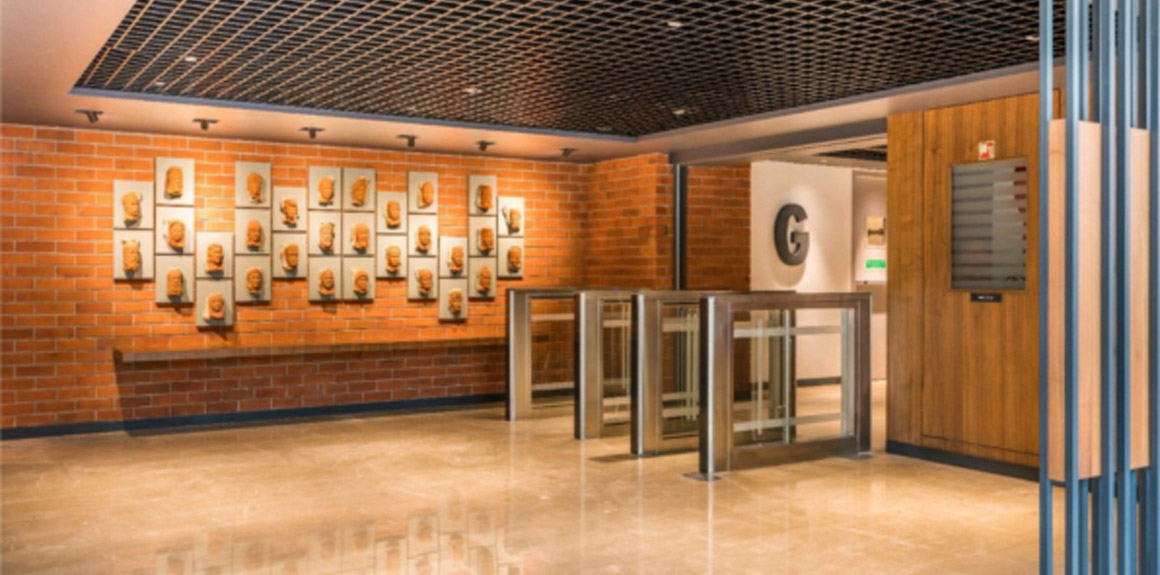
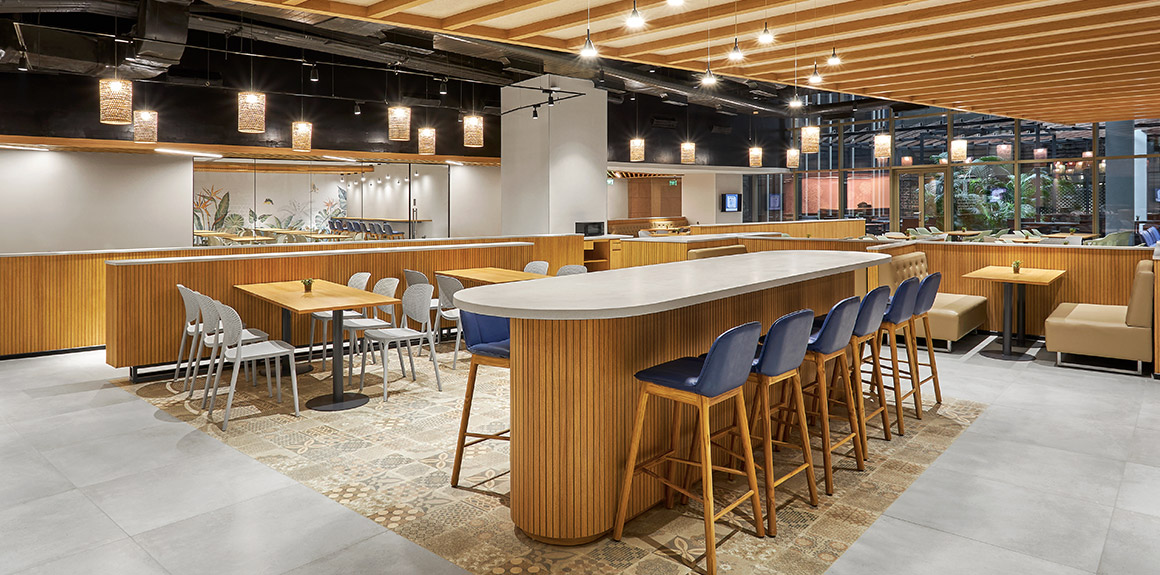
- Organic Materials: Using wood, stone, and clay instead of plastic and synthetic fibers.
- Natural Patterns: Using shapes that occur in nature, such as the spiral of a shell or the veins of a leaf.
- Earth Tones: Choosing paint colors that reflect the forest, the desert, or the ocean.
The Human Response to Space
This looks at how a room is laid out. Nature is not perfectly flat or square. It has high points, low points, and hidden corners. A biophilic home should feel varied and interesting rather than clinical and repetitive.
| Design Element | Biophilic Approach | Traditional Modern Approach |
| Shapes | Curves, soft edges, and irregular forms | Sharp angles, straight lines, and boxes |
| Air | Moving air, open windows, and fans | Stagnant air and closed ventilation |
| Light | Changing shadows and natural shifts | Constant and static artificial bulbs |
| Materials | Raw wood, cork, stone, and linen | Chrome, plastic, and laminate |
The Benefits of a Natural Home
Why go through the effort of changing your home design? The reasons are backed by significant research. Living in a biophilic environment changes the way your brain functions.
Mental Health and Stress Reduction
Our modern environments are often filled with high-frequency stress. We have the hum of appliances, the glow of screens, and the hard surfaces that bounce sound around. Nature provides what is called soft fascination. This type of attention allows the brain to rest.
- Lower Cortisol: Studies show that looking at trees or water lowers stress-related hormone levels.
- Improved Recovery: People who live in homes with natural views often recover from illness or surgery faster.
- Emotional Stability: A connection to nature helps regulate mood swings and reduces feelings of isolation.
Cognitive Performance and Focus
If you work from home, biophilic design is a powerful tool for your career. We often think that a clean, white, empty desk is best for focus. However, the human brain actually performs better when it has small natural distractions.
- Creativity: Organic shapes and textures stimulate the brain’s creative regions.
- Memory: Exposure to nature can improve short-term memory and help with problem-solving.
- Reduced Fatigue: Natural light prevents the mid-afternoon crash that often happens under fluorescent lights.
Practical Steps to Transform Your Space
You do not need a massive budget to bring biophilic design into your life. It is more about a shift in mindset than a total renovation.
Start with Windows
The view outside is your most valuable piece of art. If you have a window that looks out at a tree or a garden, make it the focal point of the room. Do not block it with furniture. If your view is of a brick wall or a busy street, use window boxes or hanging plants to create your own miniature landscape.
Layer Your Greenery
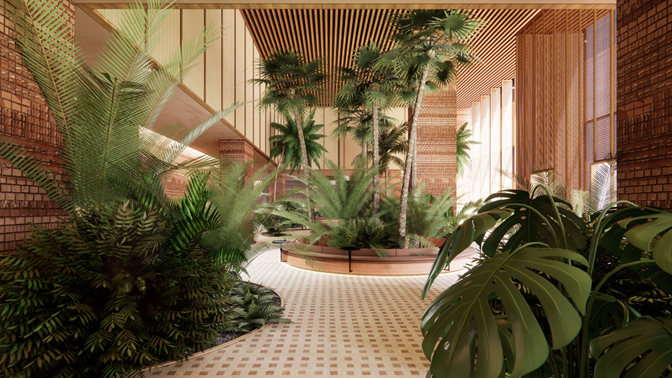
One plant in the corner of a room is a start, but biophilic design works best when plants are grouped. This creates a microclimate and a more immersive feeling.
- Vertical Gardens: Use wall-mounted planters to save floor space and create a living wall.
- Variety of Heights: Mix tall floor plants with small tabletop succulents to mimic the layers of a forest.
- Different Textures: Choose plants with different leaf shapes to add visual interest.
Switch to Natural Materials
When it is time to buy new furniture or decor, think about how the material feels to the touch. Plastic and cold metal do not provide a sensory connection to the earth. Wood with visible grain, stone coasters, and wool rugs are much better choices. These materials age beautifully and bring a sense of history and warmth into the home.
Biophilic Design and Sustainability
An important side effect of this design style is that it usually makes your home more eco-friendly. When you prioritize natural light, you use less electricity. When you use natural materials, you avoid the chemicals often found in synthetic products.
Better Air Quality
Indoor air is often more polluted than outdoor air because of the gases released by furniture and cleaning products. Plants act as natural filters. Certain species, such as spider plants and peace lilies, are excellent at removing toxins from the air. By filling your home with life, you are literally making the air safer to breathe.
Temperature Control
Using biophilic principles can also help keep your home comfortable.
- Strategic Planting: Planting a deciduous tree outside a window provides summer shade while letting light through in winter, after the leaves fall.
- Natural Materials: Stone and clay have high thermal mass. They stay cool in the heat and hold onto warmth when it is cold.
The Future of Living
As cities become more crowded, the need for biophilic design will only grow. We are seeing more architects design buildings with integrated forests and rooftop gardens. The goal is to move away from the idea that a city is the opposite of nature. Instead, we can build cities that act as ecosystems.
In your own home, you can be part of this movement. By choosing to surround yourself with the colors, textures, and life of the natural world, you are making a choice for your health. You are creating a space where you can truly thrive.
Conclusion
Biophilic design brings homes closer to nature, creating spaces that feel calm and balanced. It reminds us that natural elements are essential for everyday well-being.
Even small changes like adding plants or letting in more sunlight can make a difference. Homes by Max Estates reflect this approach with a focus on greenery and natural light. In the end, true luxury is a home that feels peaceful, and nature helps make that possible.