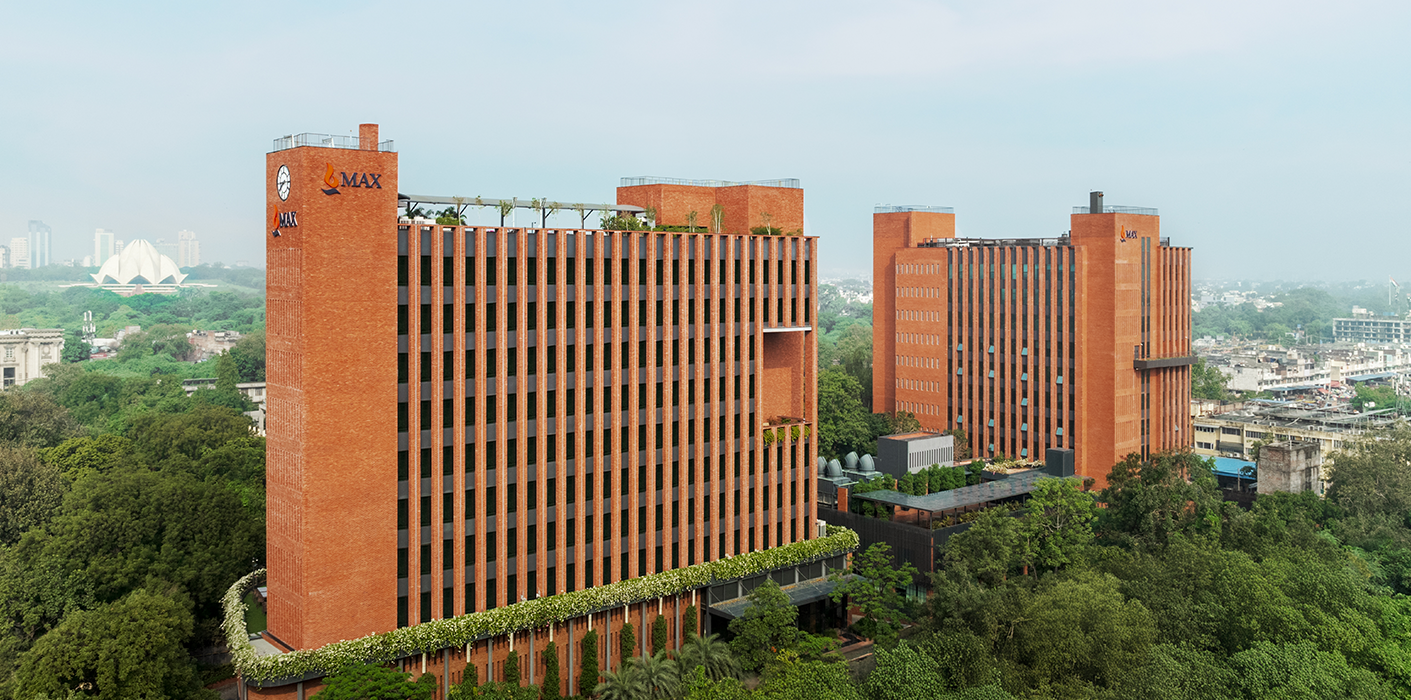


Real estate conversations today feel a little different from those they did five years ago. Buyers aren’t only comparing carpet areas or debating which floor has the better view. They’re asking something more practical, and honestly, more personal: What will daily life feel like here?
In a region like Delhi NCR, where time disappears in traffic and routines often feel overstretched, this question matters more than ever. This is exactly where integrated campuses come in. These are developments that combine residences, premium office space, retail, green zones, and wellness infrastructure within one planned environment, not as a fancy add-on, but as a way to reduce friction in everyday living.
It is repeatedly highlighted how mixed-use planning is gaining relevance as urban residents look for convenience, walkability, and stronger long-term liveability, noting that developments combining multiple functions (office, retail, housing) improve accessibility and reduce travel dependency.
Because let’s be honest – comfort isn’t always about luxury. Sometimes it’s just about ease.
1. Why Buyers Are Paying Attention to Integrated Campuses
There was a time when “good location” was enough to seal a decision. But now, buyers are thinking in layers. They’re asking:
- How much time will commuting take every day?
- Will the neighbourhood feel crowded five years from now?
- Can I step out for a walk without planning it like an even t?
- Do I have everyday essentials close enough to avoid constant driving?
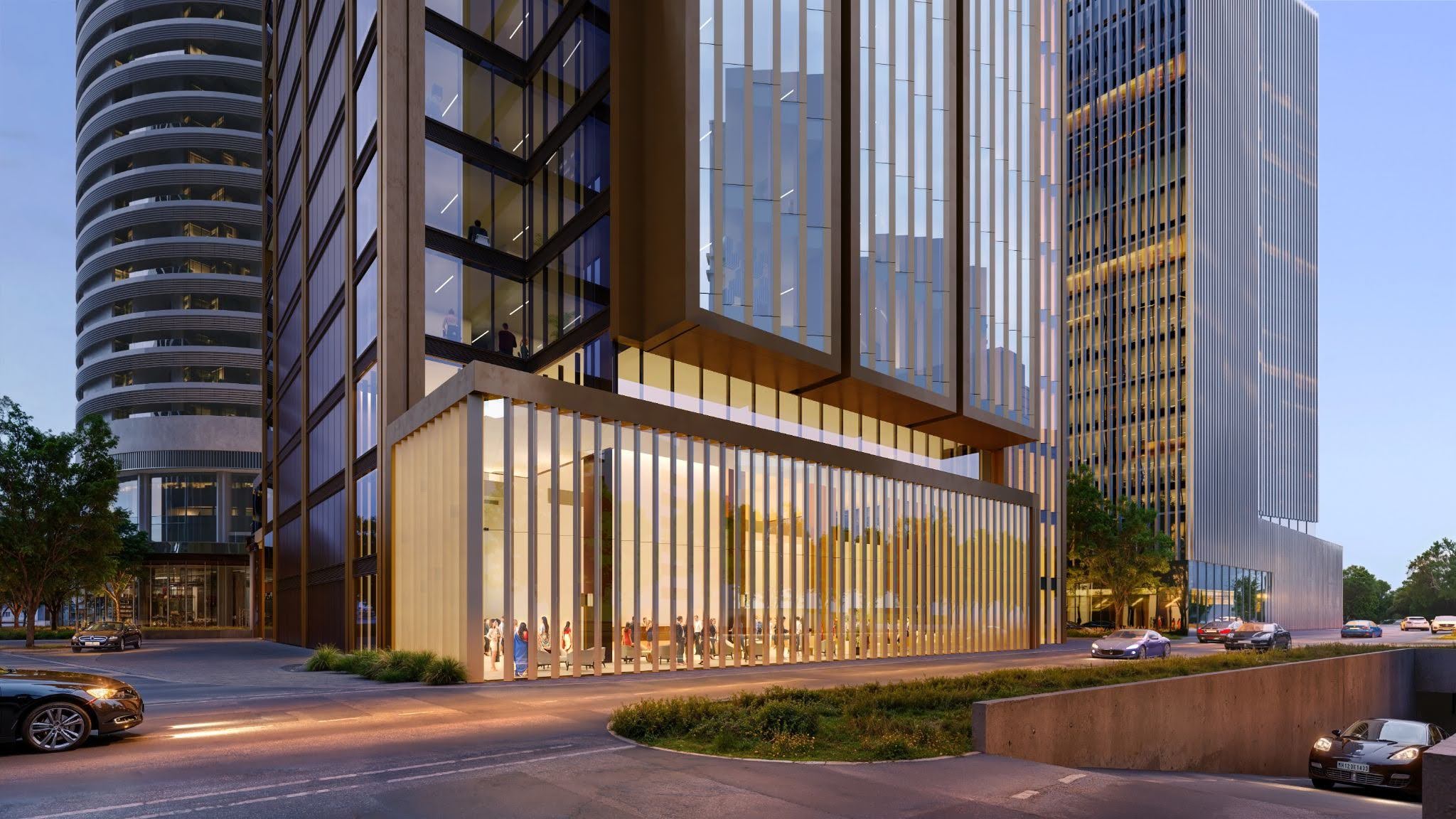
Integrated campuses answer these questions in a straightforward way. They’re built as ecosystems. Residential zones aren’t isolated. Offices aren’t placed like separate islands. Instead, the entire layout is designed to function as one connected environment. Did you know that mixed-use developments improve accessibility and reduce travel dependency, which directly impacts daily experience?
Once you experience that kind of convenience, it’s easy to see why people are drawn to it.
2. Time Has Become the Most Expensive Amenity
One of the clearest reasons integrated campuses make sense is also the simplest: they save time.
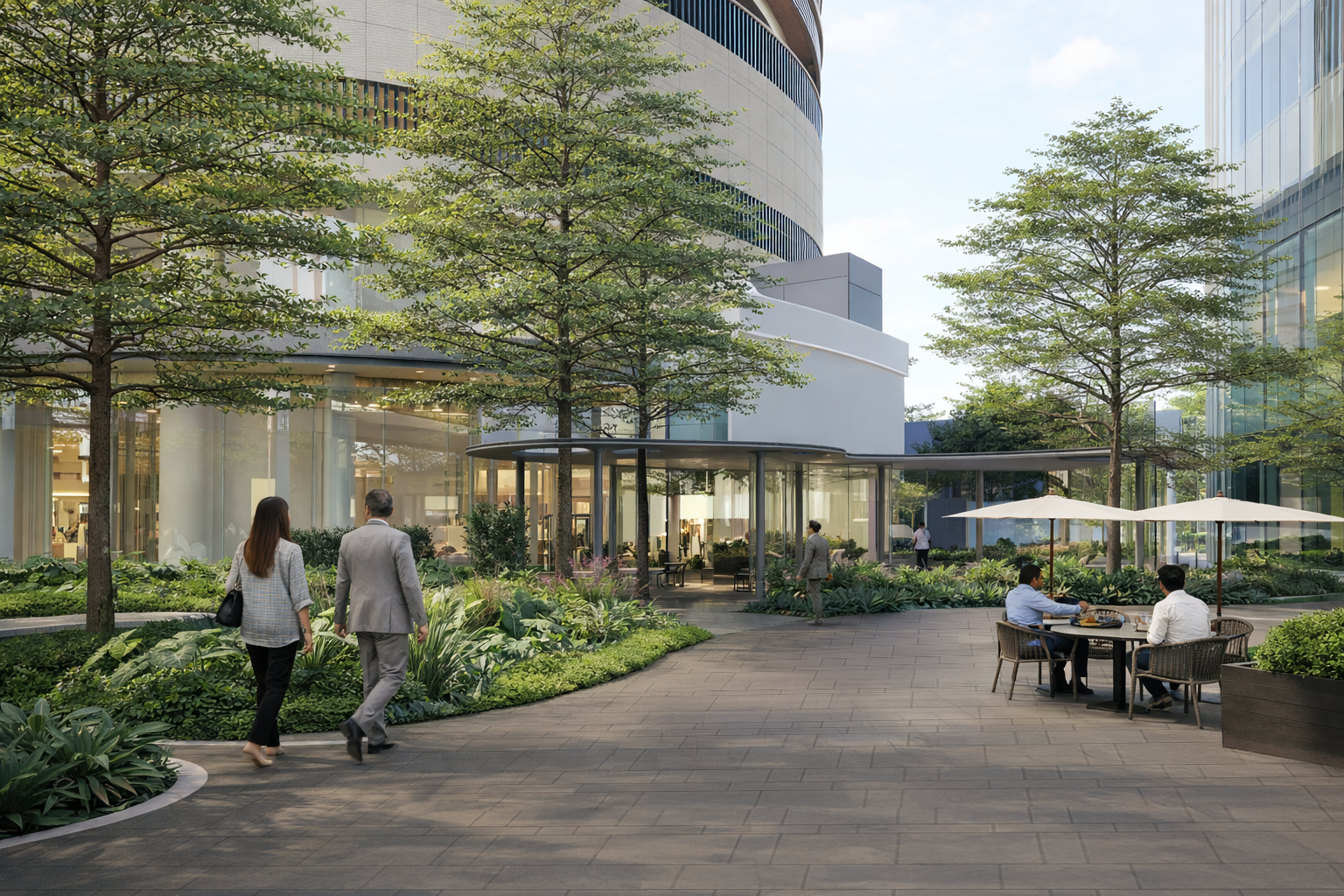
Delhi NCR commutes aren’t just long but unpredictable. A “quick trip” can stretch into an hour. And when that happens daily, the fatigue builds quietly. Integrated campuses reduce this pressure by pulling key destinations closer. In some cases, the distance between home and work is literally a short walk. Even leisure spaces and everyday conveniences are often within the same environment. Instead of structuring your day around travel, you structure it around living. Research on evolving workplace and urban living trends supports this growing preference for proximity-driven development, where homes and workplaces are increasingly chosen based on how seamlessly they connect.
And that’s a huge mindset shift. Because the real luxury isn’t the lobby; it’s the time you don’t lose getting there.
3. Why Premium Coworking Has Suddenly Become a Real Buyer Priority
Work has, obviously, changed. However, how work fits into life has changed faster than many realised. Today’s buyers want flexibility: somewhere they can work without being stuck at home or forced into long travel loops. This is why premium coworking spaces inside integrated campuses have become more than a nice-to-have. They offer:
- meeting rooms
- professional work lounges
- strong connectivity
- flexible seating
- quieter zones designed for focus
More and more professionals are preferring environments that support comfort, focus, and reduced fatigue, including access to daylight and improved ventilation.
For buyers, this is future-ready infrastructure. It keeps life adaptable because work may evolve again.
4. Premium Office Space That Actually Feels Better to Work In
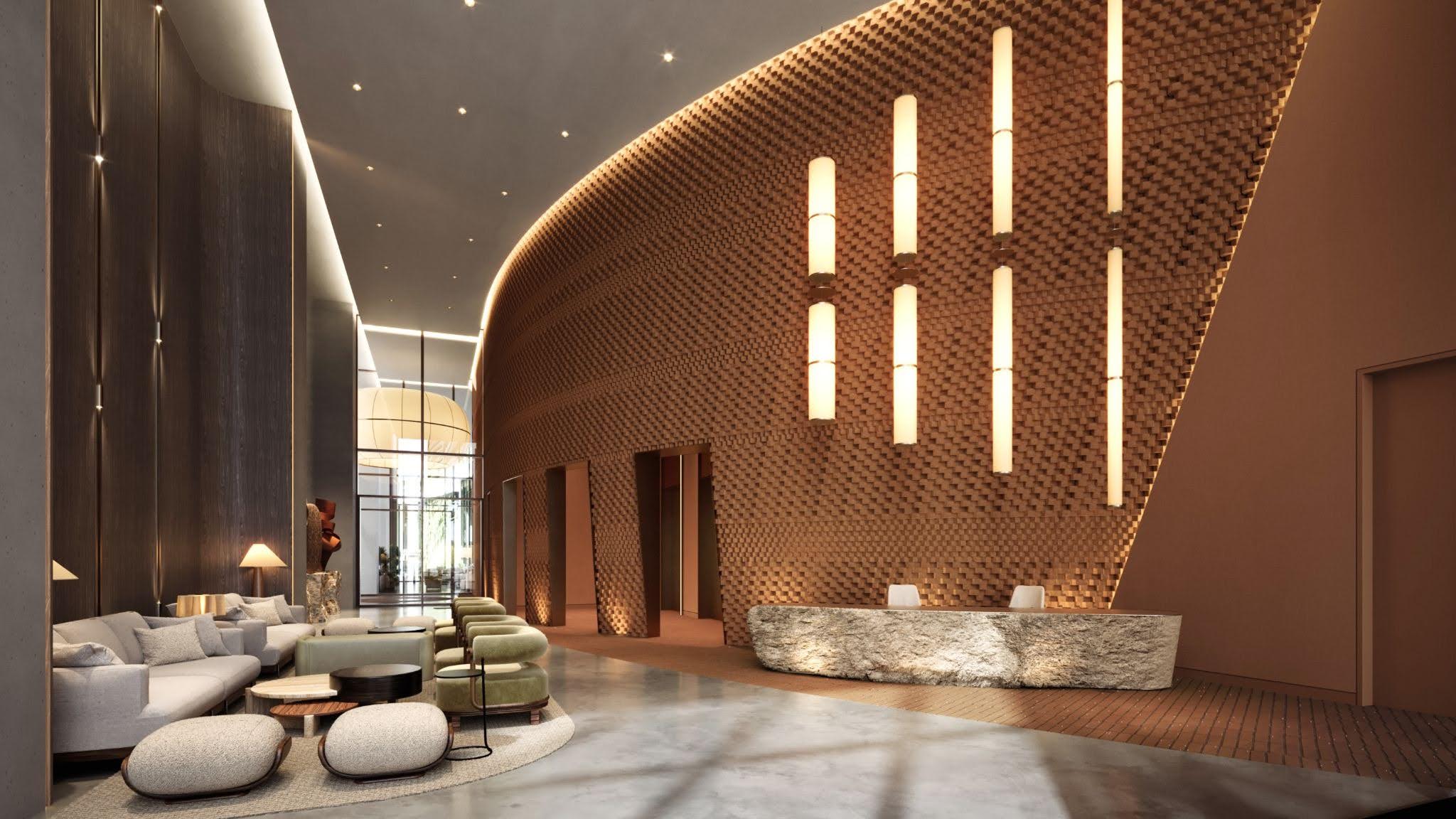
The meaning of premium office space has changed, too. It’s no longer only about glass façades or polished lobbies. Today, premium is defined by performance, by how well the building supports people. This includes:
- air quality monitoring systems
- fresh air intake strategies
- glare-controlled daylight planning
- acoustic comfort
- access to outdoor or green buffers
In integrated campuses, office spaces tend to feel less disconnected from daily life because they sit within a larger ecosystem, so the workday doesn’t feel like a separate world. You step out, and you’re still in a livable environment.
It’s a small change, but it changes the tone of an entire day.
5. Wellness That Doesn’t Feel Like a Feature
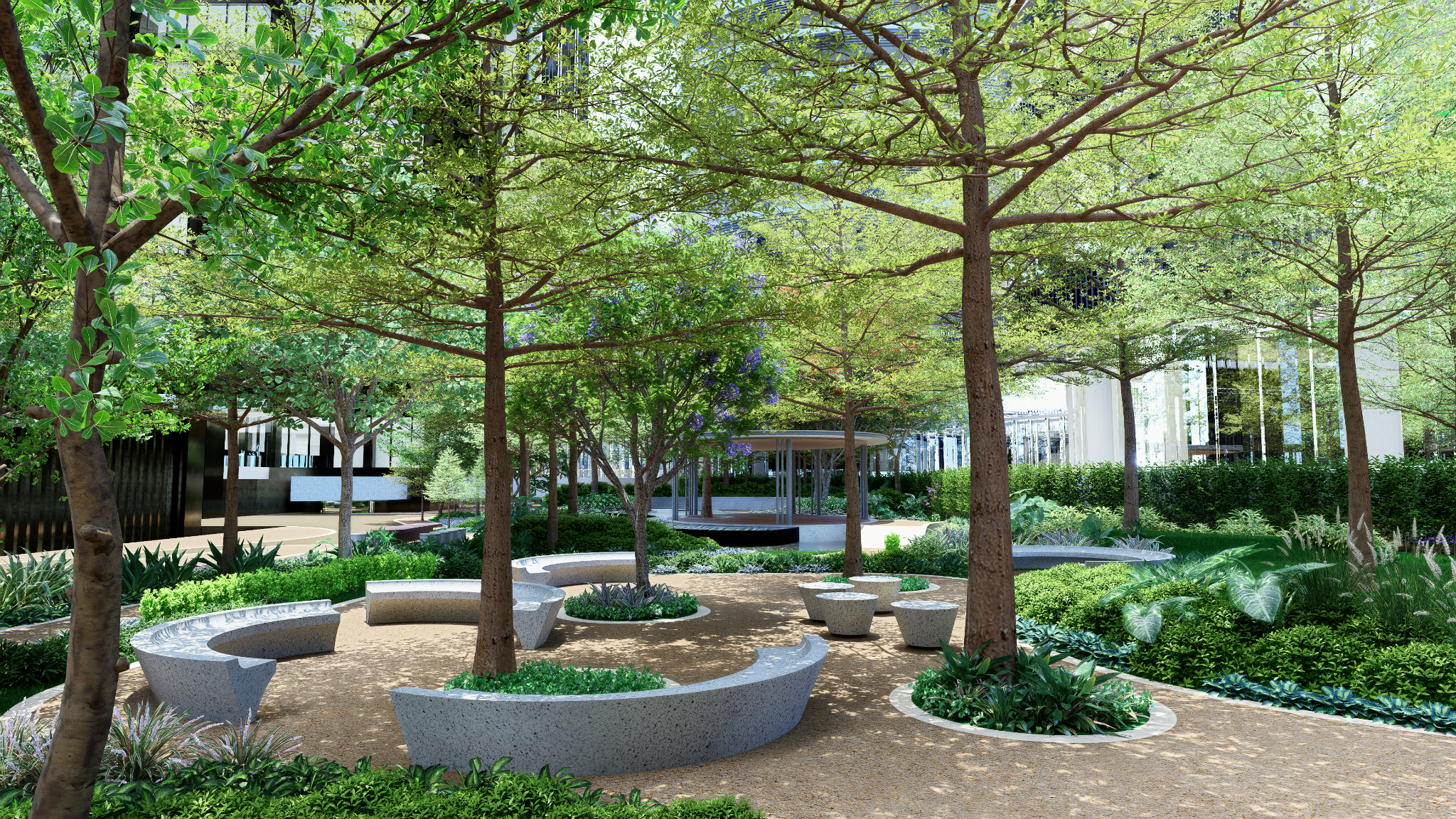
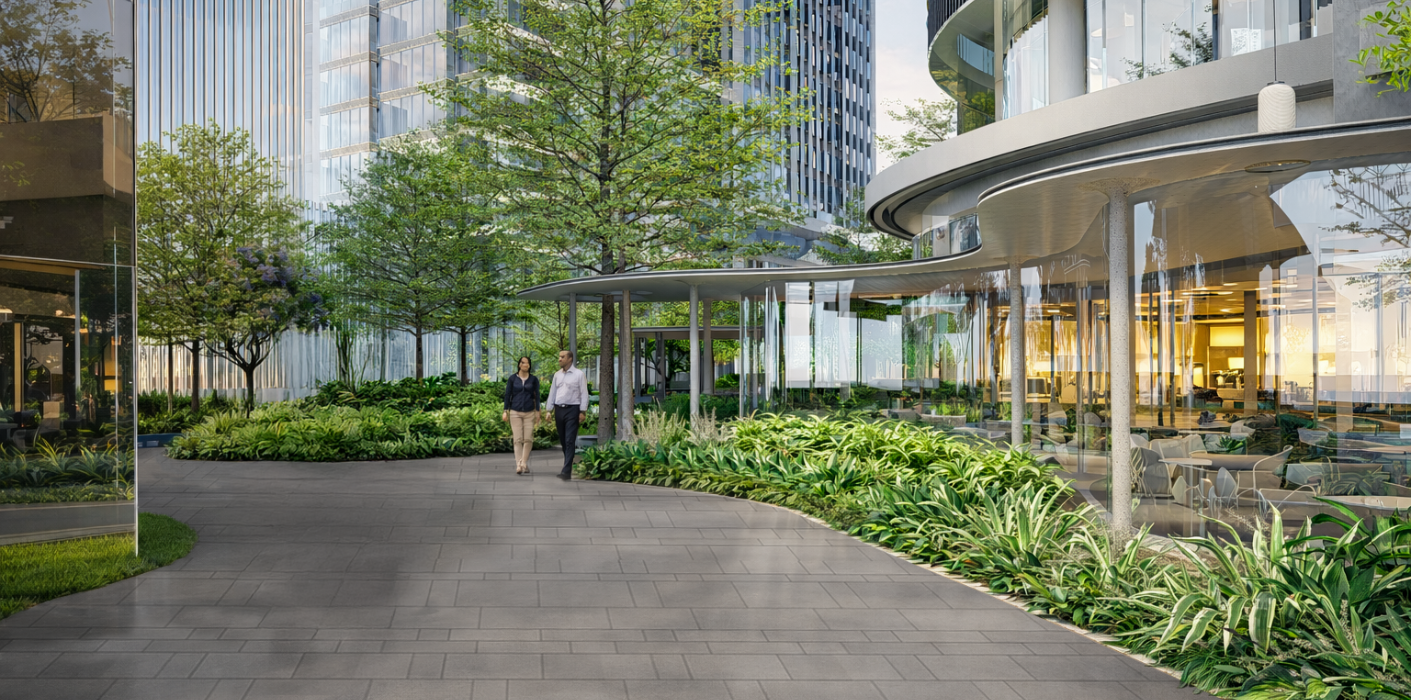
Most developments treat wellness like a bullet point: gym, yoga room, pool. However, integrated campuses tend to approach wellness differently. Here, wellness isn’t boxed into one corner. It shows up everywhere, in how spaces connect, how movement is encouraged, and how open areas are designed. Walking trails become daily connectors. Courtyards become breathing spaces. Even staircases are designed to feel inviting rather than utilitarian.
That’s the difference. Because wellness only works when it becomes natural.
6. Why This Model Fits the South Delhi Lifestyle Conversation
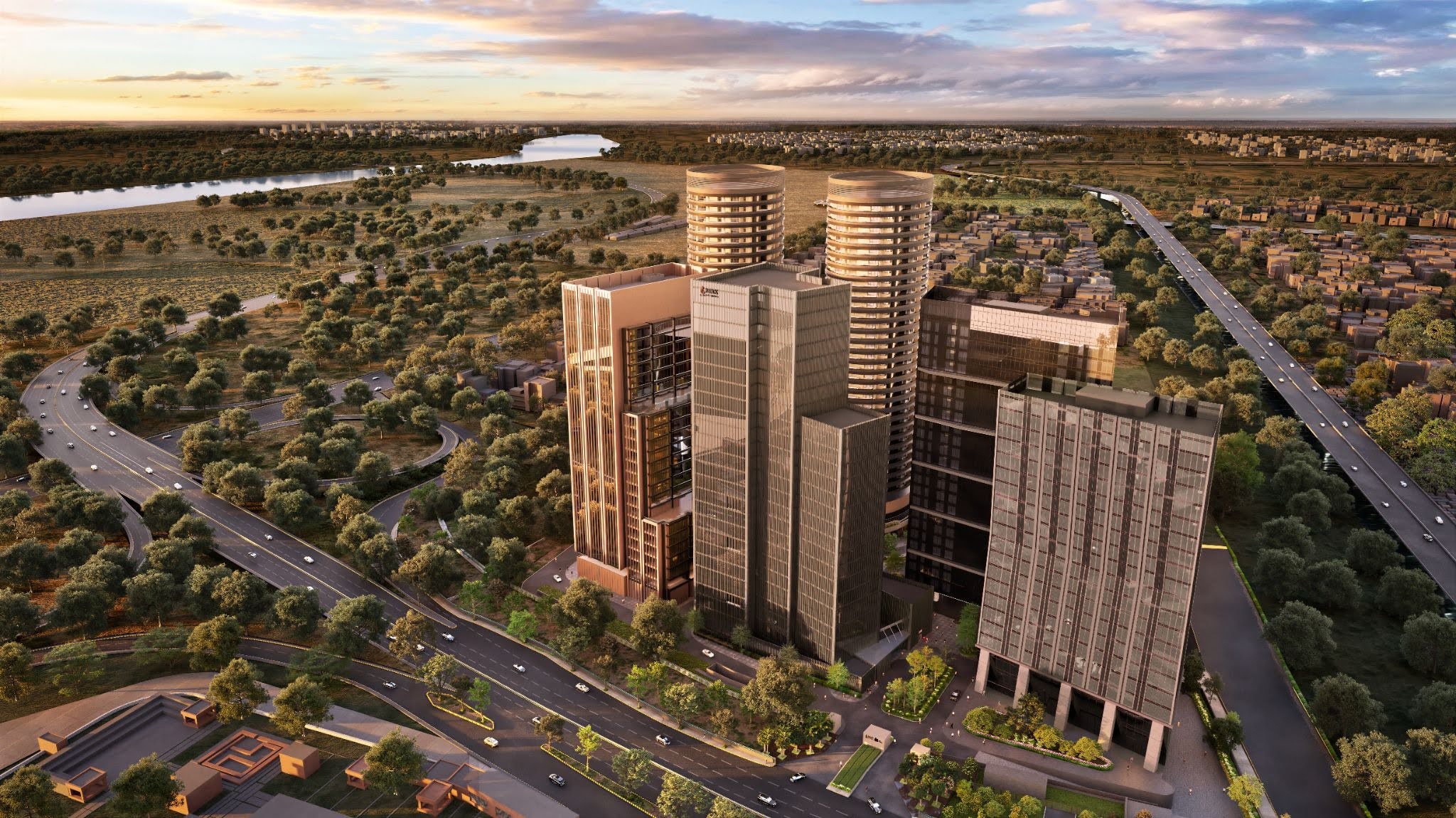
South Delhi has always carried a certain legacy with its green cover, cultural access, established social infrastructure. But the modern buyer wants something slightly different now: the same proximity, but with better planning and easier movement. This is why integrated campuses feel particularly relevant around South Delhi. Luxury projects in South Delhi are still desirable, but newer planning models around the belt are offering a different kind of value – less congestion, smoother access, and a more contemporary lifestyle flow.
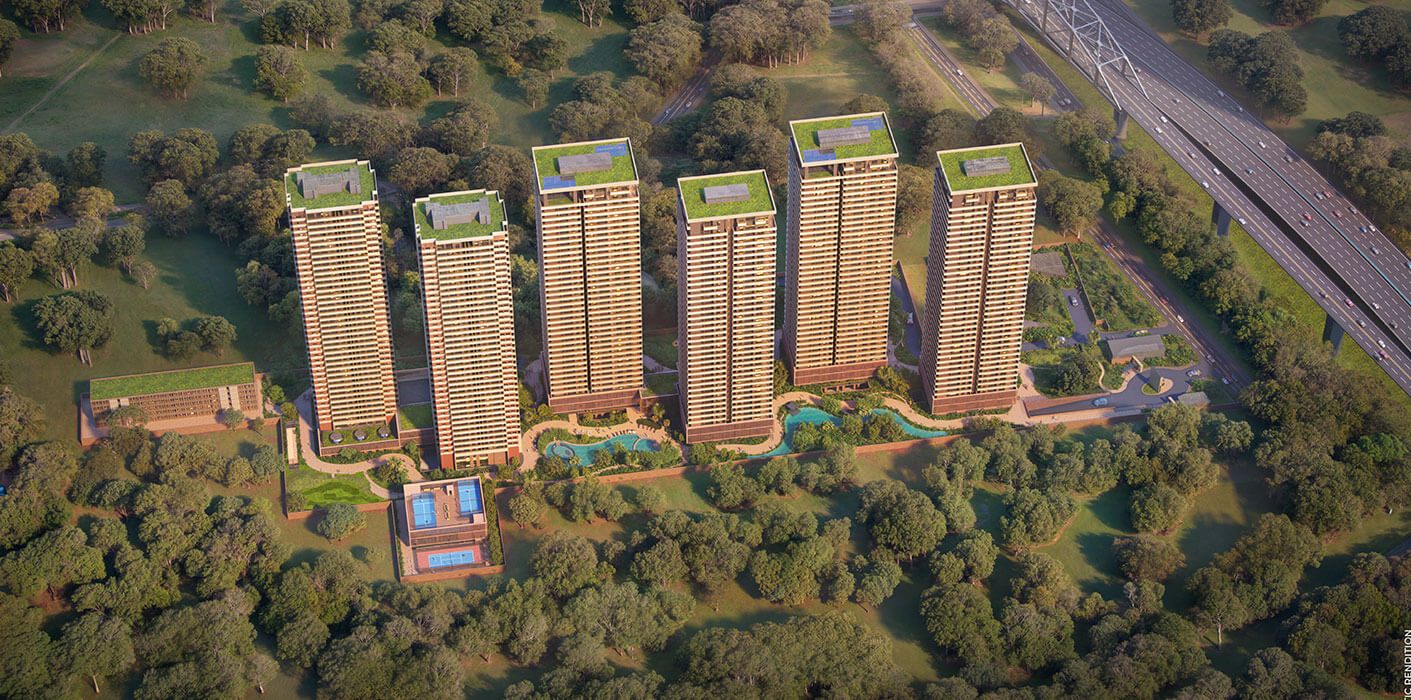
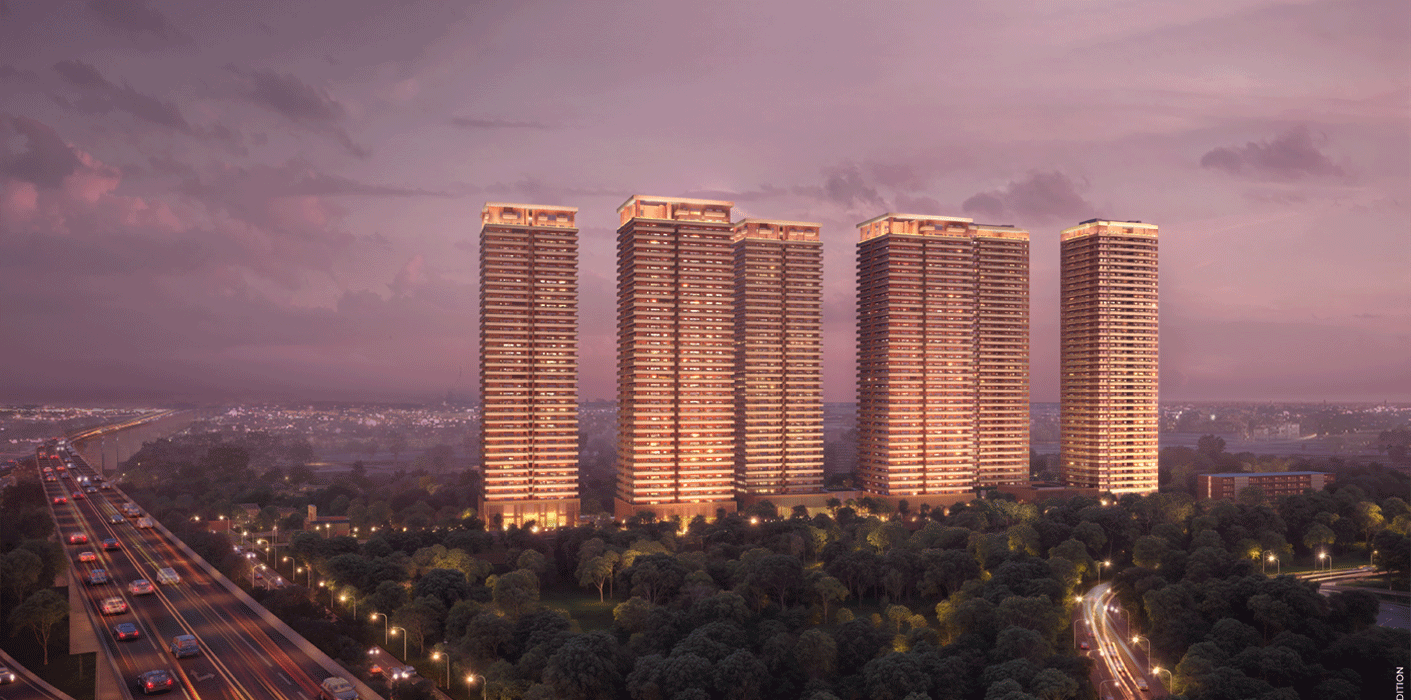
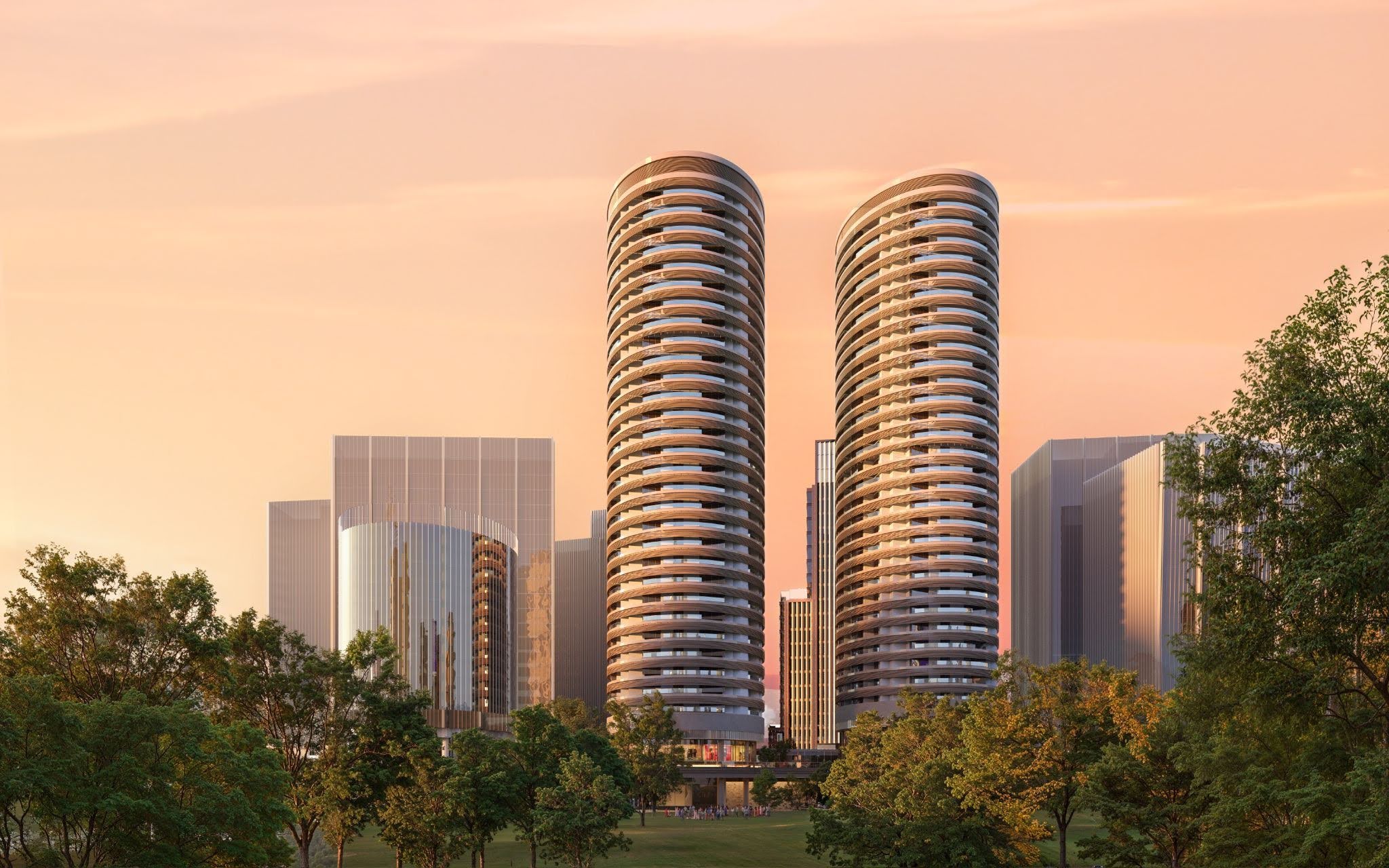
This is where Max One fits into the broader discussion; not as a loud alternative, but as part of a growing preference for mixed-use, well-being–centric ecosystems. It reflects the idea that you can live close to the action without living inside the chaos. Here, access and calm don’t compete, but coexist. This is a rarity in Delhi NCR.
7. Sustainability That Works Quietly in the Background
Sustainability is often talked about as a concept. But in integrated campuses, it tends to show up in practical ways that affect everyday living:
- shaded walkways that reduce heat stress
- water-sensitive landscaping
- energy-efficient systems
- layouts that encourage walking over driving
These decisions improve comfort and reduce long-term environmental impact. JLL’s sustainability insights suggest that responsible developments often deliver stronger long-term outcomes, not just for the planet but for the people living and working inside them.
So sustainability here is functional. When design is responsible, everyday living feels easier without you noticing why.
Integrated campuses are gaining momentum because they solve real, everyday problems. They save time. They reduce commute fatigue. They support hybrid work through premium coworking. They create premium office space environments that feel healthier and more human. And they build wellness into the layout, not into a glossy brochure.
For buyers exploring luxury projects in South Delhi and premium zones across NCR, this model makes sense because it aligns with modern living patterns – fast routines, mixed schedules, and a growing need for calm within the city. Developments like Max One reflect this direction: planning that feels more integrated, movement that feels more intuitive, and a lifestyle that doesn’t require constant adjustment.
Because the future of real estate isn’t only about where you live.
It’s about how smoothly life moves once you’re there.