

Ask any active investor in Delhi NCR where they are putting capital right now, and the Noida Expressway corridor comes up more often than most other addresses combined. That is not a coincidence of timing. Luxury flats on Noida Expressway have consistently delivered stronger appreciation, faster resale, and steadier rental demand than comparable stock in older, denser parts of the city.
This article breaks down the five specific reasons investors keep returning to this corridor, using Estate 128 in Sector 128 as a concrete example of what a well-positioned luxury development on Noida Expressway actually looks like.
1. Unmatched Connectivity Along the Corridor
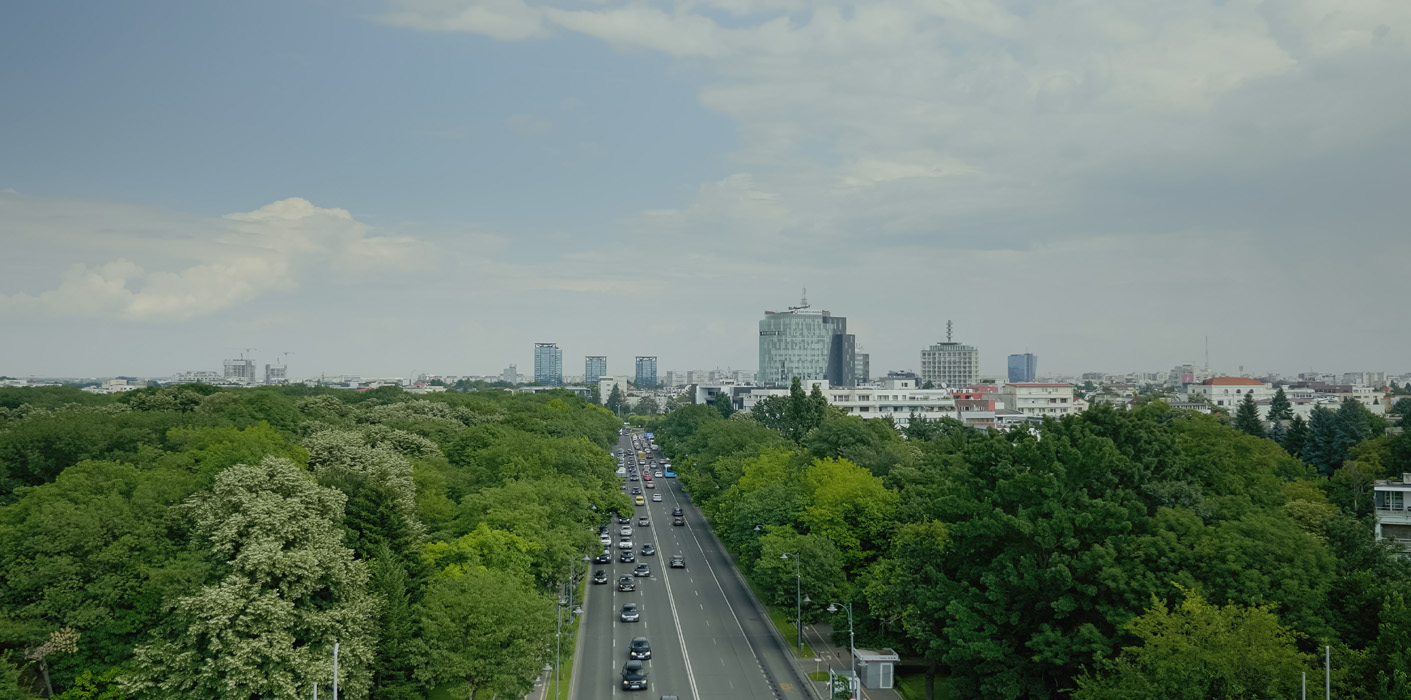
Noida Expressway is not just a road; it is the connective spine linking Noida, Greater Noida, and Delhi, with direct access to some of the region’s most important infrastructure. For an investor, that connectivity translates directly into tenant and buyer demand, since proximity to transit and amenities is consistently one of the strongest predictors of resale value.
Developments along this stretch typically sit within easy reach of the DLF Mall of India, IGI Airport, Fortis Hospital and Jaypee Hospital, Amity University, and multiple established schools, giving both end-users and tenants everyday convenience without a long commute. Estate 128 in Sector 128 sits squarely within this connectivity zone, with the Botanical Garden metro corridor, Jaypee Golf Course, and the Noida Golf Course all within the immediate catchment. It sits within Max Estates’ wider residential portfolio along the same corridor.
2. Low-Density Living That Protects Long-Term Value
Density is one of the most underrated factors in long-term property appreciation. A high-density tower can look attractive on price per square foot today, but crowding tends to compress resale value over time as buyers increasingly prioritise space and privacy.
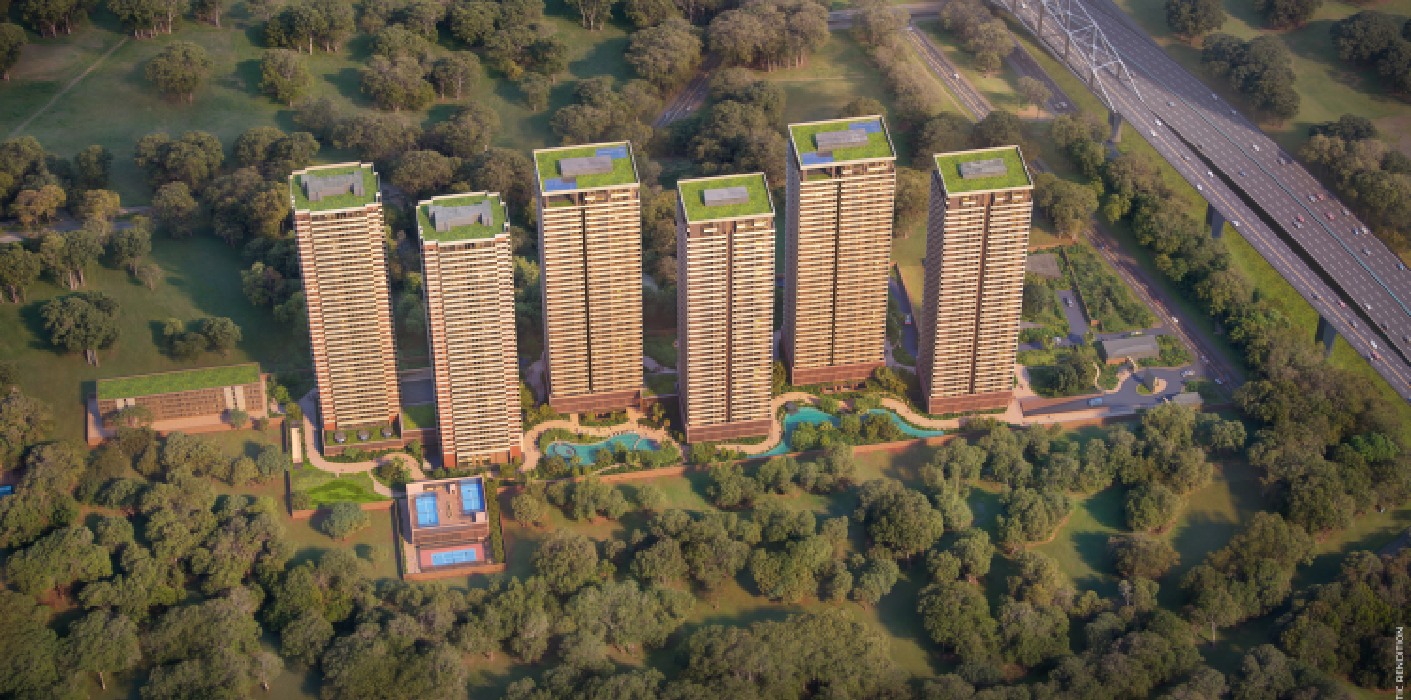
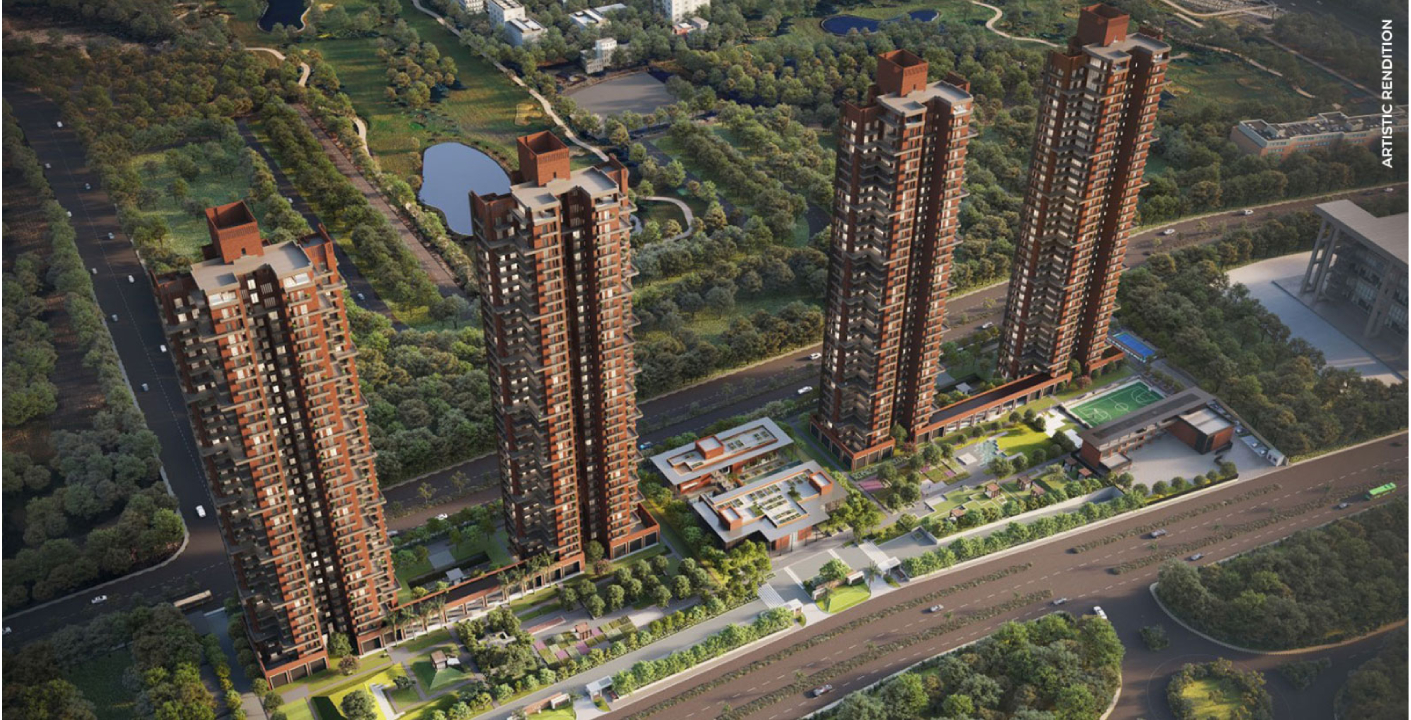
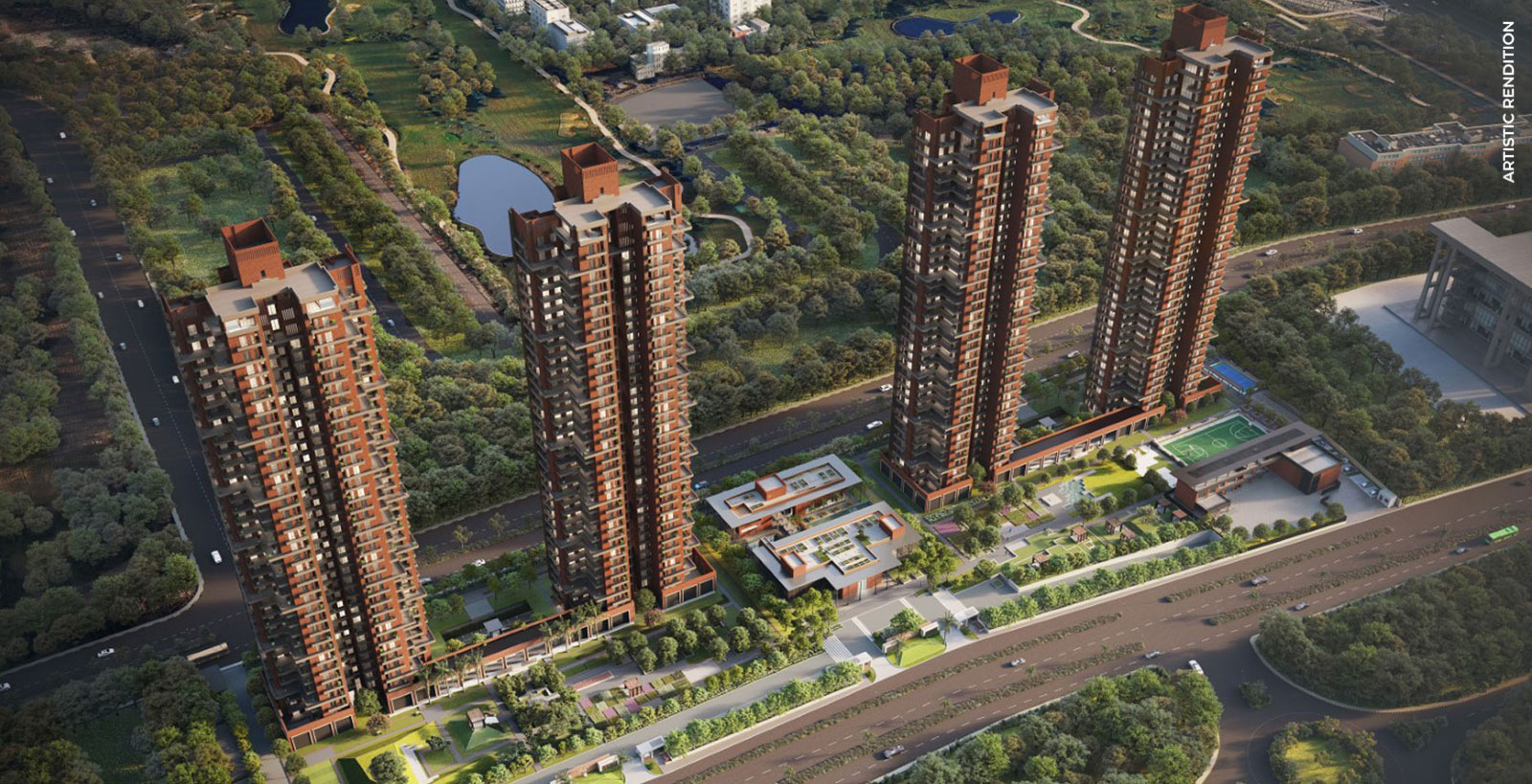
Investors have caught on to this. Developments built at a genuinely low density, with meaningful land dedicated to green space rather than additional units, tend to hold and grow value more consistently. Estate 128 is a clear example: the development is built at approximately 27 units per acre, among the lowest densities in the region, with close to seven acres of landscaped green space designed to mirror a river’s journey through the site. That combination of scarcity and space is precisely what supports pricing power over a longer hold, a design principle also visible at Estate 105, Max Estates’ other low-density Noida development.
3. Grade A Amenities That Sustain Rental Demand
Rental yield depends on more than location. Tenants renting in the premium segment expect amenities that match international standards, and developments that deliver on this consistently outperform those that treat amenities as an afterthought.
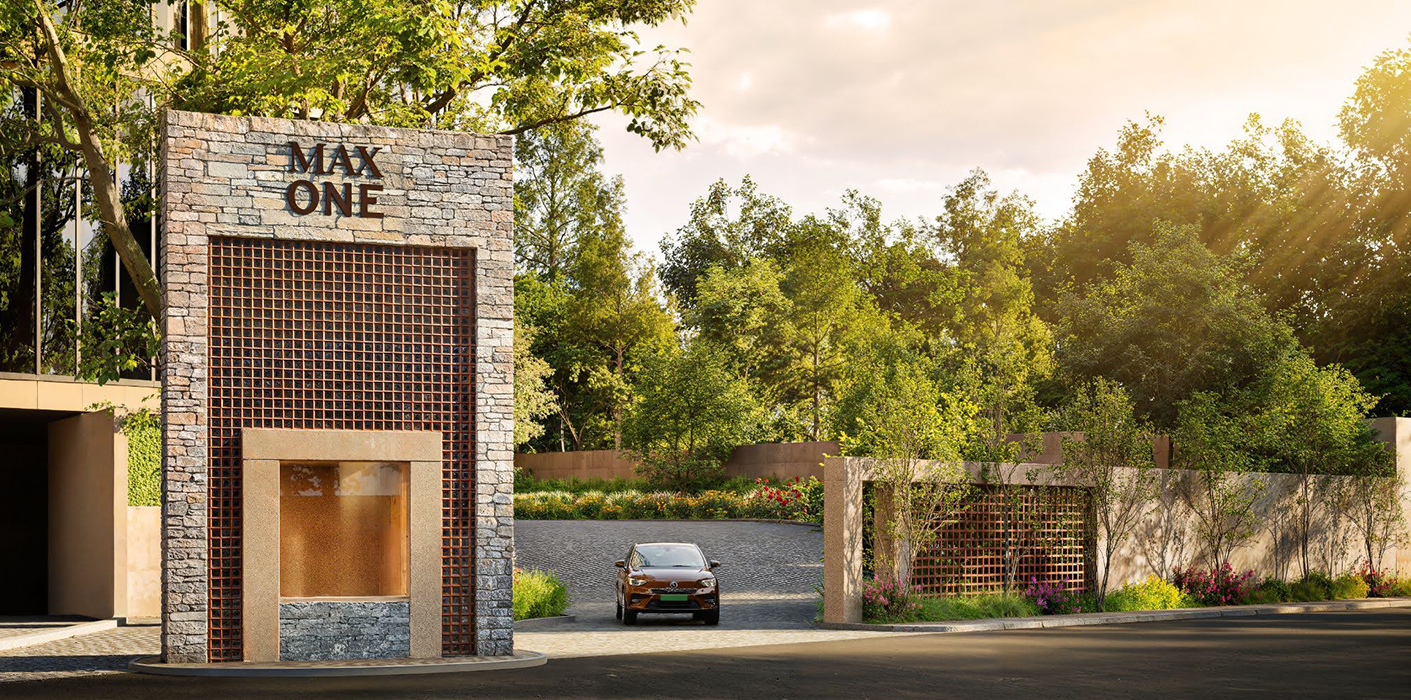
At Estate 128, The Hub spans approximately 46,000 square feet and includes a swimming pool, spa, paddle tennis court, and all-day dining, positioned as a shared amenity core rather than a scattered set of facilities. The development’s vehicular drop-offs are also routed to the lower ground level, keeping the surface pedestrian-first and quiet, a design choice that continues to matter to tenants looking for a calmer living environment along a busy expressway corridor.
4. Spacious Typologies, Including 4 BHK Sector 128 Options
Investors buying in the luxury segment are increasingly looking past compact 2 and 3 BHK stock toward larger formats that appeal to end-users with more staying power as tenants or eventual buyers. A 4 BHK Sector 128 unit, for instance, sits in exactly this bracket: large enough to attract senior professionals and multi-generational families, both of whom tend to stay longer and pay a premium for space.
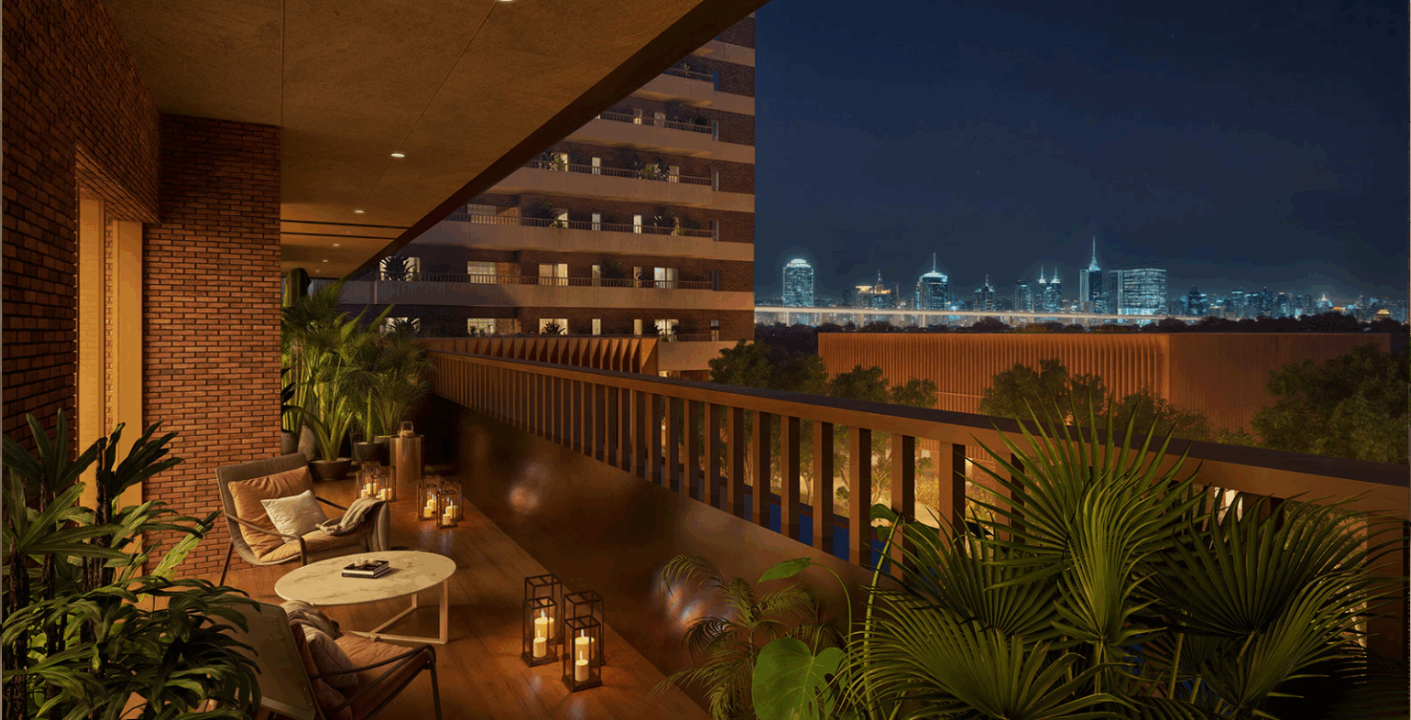
Estate 128 offers a mix of typologies built around this demand, including The Deck at roughly 2,378 square feet and The Terrace at roughly 2,820 square feet, alongside larger Deck Suite and Terrace Suite configurations with wraparound decks. Every typology is designed with well-spaced bedrooms, a dedicated guest bedroom or office with its own entrance, and separate passenger and service access, features that matter directly to an investor’s ability to rent or resell at a premium.
5. Institutional Backing and Governance Investors Can Verify
The single biggest risk in Indian real estate investment has always been developer reliability, whether a project is delivered on time, registered correctly, and backed by a financially stable company. Investors are increasingly filtering their shortlist based on exactly this.
Max Estates, the developer behind Estate 128, is a publicly listed company, which brings a level of financial transparency that many private developers do not offer. For an investor, that combination of public listing, RERA compliance, and demonstrated governance reduces the delivery risk that undermines returns on far too many real estate investments in this price segment.
What to Verify Before Investing in a Noida Expressway Property
Before committing capital to any luxury flat on this corridor, confirm the following:
- The project’s RERA registration number and current construction status
- Actual units-per-acre density, not just the marketed green cover percentage
- The developer’s listing status and financial disclosures, if publicly traded
- Amenity square footage and whether it is centralised or fragmented across the site
- Typology sizes and layout efficiency, particularly for 4 BHK and larger configurations
Conclusion
Investors are not choosing luxury flats on Noida Expressway by accident. Connectivity, low-density planning, Grade A amenities, spacious typologies like 4 BHK Sector 128 configurations, and verifiable developer governance all compound into stronger, more defensible returns than the broader Noida market offers on average.
Max Estates has built Estate 128 around exactly this combination, backed by public listing transparency, UP RERA registration, and a development approach centred on low density and genuine open space. For investors evaluating their next move along Noida Expressway, Max Estates offers a project with the fundamentals this corridor rewards.
Ready to explore the numbers for yourself? Get in touch with Max Estates to request pricing and availability for Estate 128.
FAQs
Why do investors specifically favour luxury flats on Noida Expressway over other Noida micro-markets?
The corridor combines strong connectivity to Delhi, Greater Noida, and IGI Airport with newer, lower-density developments, a combination that has consistently supported stronger appreciation and rental demand than older, denser parts of the city.
Is a 4 BHK Sector 128 unit a good investment compared to smaller configurations?
Larger units in this bracket tend to attract senior professionals and multi-generational families who stay longer as tenants or owners, which supports steadier rental yield and resale demand compared to smaller, higher-turnover units.
How does density affect the long-term value of luxury flats on Noida Expressway?
Lower-density developments preserve more open space per resident and tend to hold value better over time, since crowding in high-density towers typically compresses resale pricing as buyer preferences shift toward space and privacy.
What should investors check regarding a developer’s credibility before buying?
Verify RERA registration, confirm whether the developer is publicly listed with available financial disclosures, and check the project’s construction timeline against public updates rather than relying on sales material alone.
Does Estate 128 offer amenities suited to long-term rental tenants?
Yes. The Hub at Estate 128 spans roughly 46,000 square feet with a swimming pool, spa, and paddle tennis court, alongside a pedestrian-first ground level, amenities that support the kind of long-stay tenant demand investors typically look for.